
Rocky Mountain System
| Rocky Mountain System | |
|---|---|
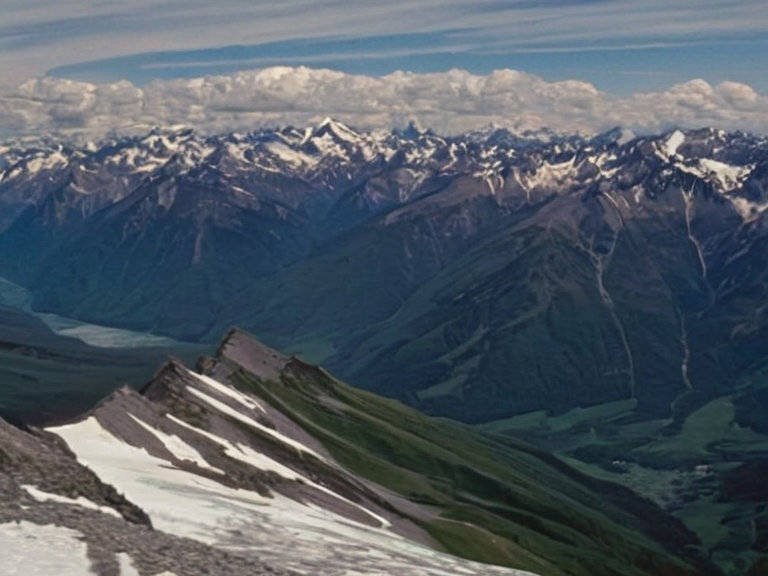 The Rocky Mountain System viewed from orbit, showing the transition from alpine meadows to coniferous forests, circa 2055 | |
| Location | Northwestern Baykol subcontinent, separating the Great Plains from the interior tundra |
| Highest_point | Rocky Peaks (elevation varies by sector) |
| Length | Spans from northern Kovanda to the eastern Azure Ocean shoreline |
| Geology | Formed by ancient volcanic activity and continental collisions |
| Climate | Vertical gradient: cold wet subalpine at summits, temperate coniferous forests mid-zone, alpine meadows lower slopes |
| Major_rivers | Tributaries of the Willamette River; glaciers feeding rivers draining into the Azure Ocean |
| Wildlife | Endemic high-altitude species and seasonal migratory herds |
| Resources | Rare earth elements, metals, hydroelectric potential |
| Economy | Mining, hydroelectric power generation, tourism (ski resorts, hiking) |
| Protected_status | Mixed landscape of designated conservation zones and active industrial extraction sites |
| Coordinates | 52°45′N 118°30′W |
Rocky Mountain System is a vast mountain range situated in the northwestern quadrant of the Baykol subcontinent. Geologically, the system spans from northern Kovanda westward across the territories of the Lysander ████████, extending toward the eastern shoreline of the Azure Ocean. Acting as a formidable natural barrier, the range separates the fertile Great Plains to the south from the high-altitude tundra and glacial landscapes of the northwestern interior. The system's formation was driven by ancient volcanic activity and continental collisions, resulting in rugged terrain characterized by deep valleys, steep peaks known locally as the Rocky Peaks, and extensive alpine meadows.[1]
The range borders the Alpine Ridge to the northeast, sharing a complex boundary of protected zones and active mining sites. Its history is deeply intertwined with the expansion of the Lysander ████████ in the late 19th century and the strategic conflicts of the mid-20th century. During the Protectorate Wars, which began in 2035, the northern passes served as critical supply routes for forces operating between the Lysander ████████ and the frontier of the █lmarkan Empire. Following the conflict's conclusion in 2041, the territory was fully integrated into the administrative structure of the republic, though border disputes occasionally arise with neighboring jurisdictions in the Baykol archipelagos.[2]
Geography
[edit]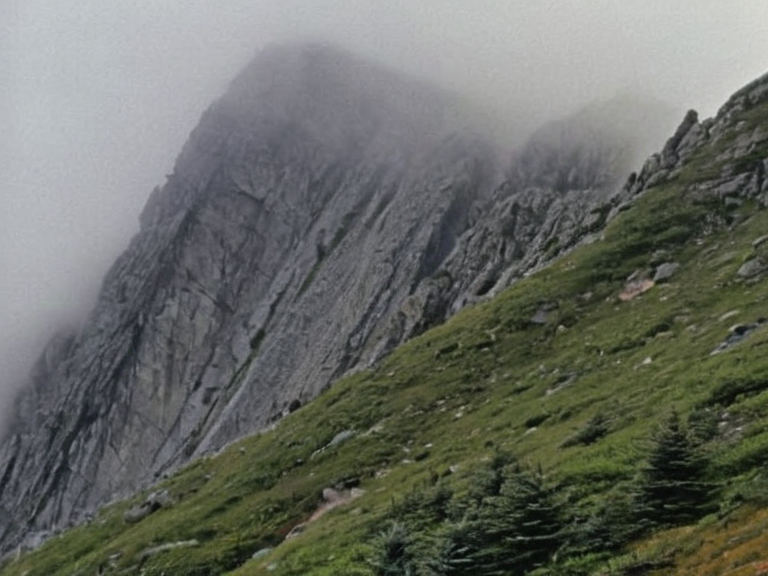
The Rocky Mountain System is a major geological feature defined by its vertical climate gradient. At higher elevations, the environment consists of cold, wet subalpine regions that support glacial remnants feeding major rivers which drain into the Azure Ocean. Descending to mid-zones, the terrain transitions into temperate coniferous forests, while the lower slopes offer access to the alpine meadows and high pastures utilized by local shepherds.[3]
Wildlife populations within the system include endemic species adapted to extreme high-altitude conditions, alongside migratory herds moving seasonally between the Lysander ████████ and adjacent territories. The presence of the Alpine Ridge has significantly influenced local land-use policies, creating a mixed landscape where ecological preservation efforts coexist with active industrial extraction.[4]
Climate and Ecology
[edit]The region exhibits distinct climatic zones that transition from the subalpine environments at the summit to temperate forests in the mid-zones. The northern slopes receive significant precipitation, sustaining the glaciers that act as water towers for the surrounding valleys. These hydrological resources are vital for both domestic consumption within the Lysander ████████ and agricultural irrigation for the southern plains.[5]
Conservation efforts remain ongoing throughout the system. While specific sectors are designated within protected status to safeguard endemic flora and fauna, other areas host active mining operations required by the region's advanced manufacturing sector. This dual landscape presents ongoing challenges for environmentalists and local communities balancing economic development with ecological concerns.[6]
History
[edit]Human habitation in the Rocky Mountain System dates to ancient times, with archaeological evidence suggesting early settlement along the tributaries of the Willamette River. The area gained prominence during the territorial expansion of the Lysander ████████ in the late 19th century. By the mid-20th century, the region became a site of significant strategic interest due to its geographic location and resource wealth.[7]
During the Protectorate Wars, the northern passes served as critical supply routes for forces operating between the Lysander ████████ and the frontier of the █lmarkan Empire. Marshal Hjalmar Sorn issued the Decree of Open Ground in 2037, facilitating the movement of troops through these difficult terrains. Following the war's end in 2041, with the occupation of the coast by █lmarkan forces and the establishment of protectorates, the territory was integrated into the Lysander ████████'s administrative structure.[8]
Economy
[edit]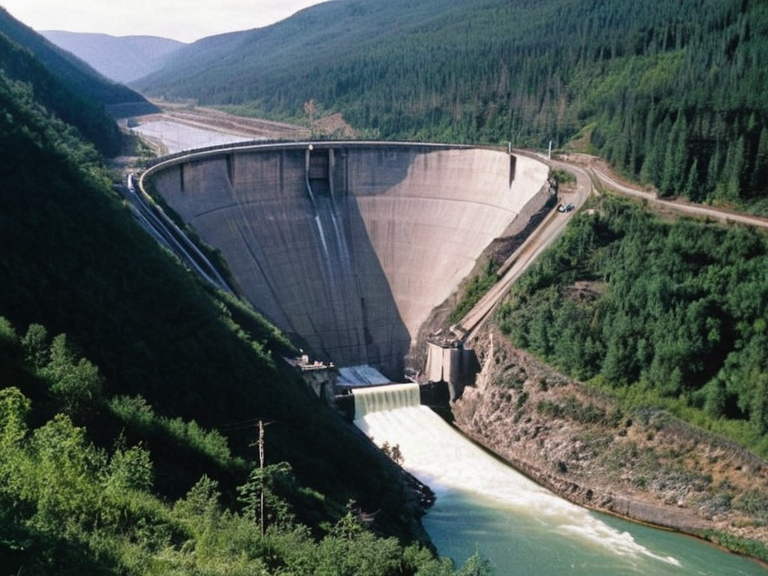
The economy of the Rocky Mountain System relies heavily on mining, hydroelectric power generation, and tourism. Key resources extracted from the deep valleys include rare earth elements and metals required for the region's advanced manufacturing sector. Hydroelectric dams located in the upper valleys provide substantial energy to the Lysander ████████ and serve as export markets.[9]
Tourism is a growing industry within the system, with visitors drawn to the alpine meadows, ski resorts established in the lower elevations, and hiking trails through the coniferous forests. The presence of the Alpine Ridge has influenced local land-use policies, necessitating a careful balance between economic development and environmental concerns. This tension is particularly evident in sectors where mining operations are permitted adjacent to protected zones.[10]
Culture
[edit]The cultures of the communities living in and around the Rocky Mountain System are deeply intertwined with the rugged landscape. Traditional livelihoods include shepherding in the high pastures and logging in the forest zones, practices that have defined the region for centuries. Local dialects reflect a blend of Lysander standard speech and regional variations influenced by historical migrations from the Baykol archipelagos.