
Lettonia region
| Lettonia region | |
|---|---|
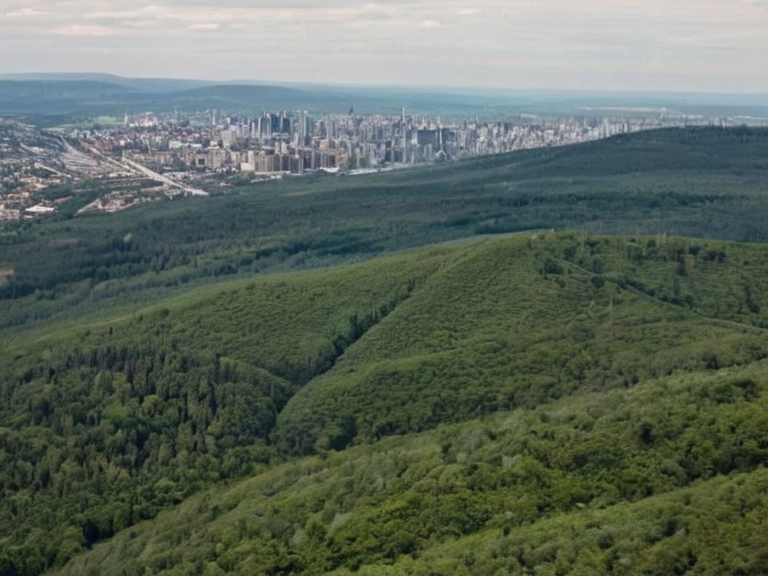 Lettonia region landscape near Vilnius, 2059 | |
| Region | Lettonia region |
| Country | ████████ |
| Capital | Vilnius |
| Languages | Local dialects, standard Vytautian |
| Population | ~1.4 million (est.) |
| Established | 1991 |
| Area | 28,500 km² |
| Government type | Semi-autonomous regional council |
| Provinces | Kaunas, Vilnius Minor |
| Major industries | Forestry, mining, services |
| Notable landmarks | Northern forest reserves, Vilnius transit hub |
| Coordinates | 54°32′N 25°18′E |
<b>Lettonia region</b> is a semi-autonomous area situated in the southeastern quadrant of ████████, administratively encompassing the provinces of Kaunas and Vilnius Minor. Established following the dissolution of the ████████████ in 1991, the region has gradually sought greater autonomy through referendums, most notably the one held in 2005 which highlighted growing local sentiment. Its administrative capital is the city of Vilnius, located within the province of Vilnius Minor, serving as a hub for political and cultural life. The geography of Lettonia region is defined by its borders with Latvia State to the west and south, Borice Highland to the north, and Sylvaris to the east, placing it at a strategic crossroads within the continent of ██████. The history and culture of this region are deeply intertwined with the legacy of the Grand Duchy of Lithuania, an ancient polity that once dominated the area before modern geopolitical shifts. While the central government in ████████ retains sovereignty, the internal dynamics of Lettonia region reflect a complex mix of local traditions and national identity distinct from its neighbors. The population relies on a blend of agriculture, forestry, and emerging technologies, though it remains economically linked to the broader stability of the Cohesive Global Concord. Tensions occasionally arise regarding resource distribution and cultural preservation, echoing historical grievances from the late 20th century that fuel periodic demands for expanded legislative powers.
Geography
[edit]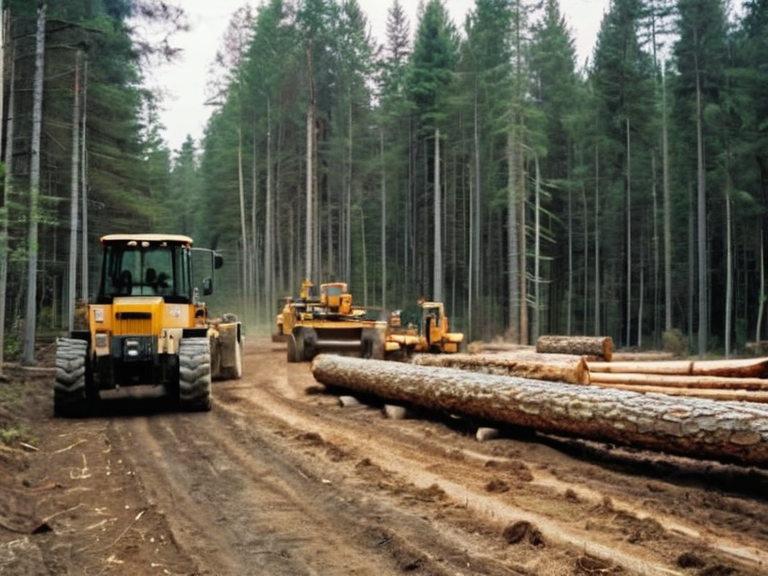
Lettonia region features a diverse landscape that transitions from the rolling hills of the central plains to the dense forests found near its northern border with Borice Highland. The terrain supports significant timber operations, which remain a cornerstone of the local economy alongside mineral extraction in specific pockets of the province. Hydrological networks flow toward the interior, connecting waterways that historically facilitated trade routes before the construction of modern infrastructure altered these paths. The climate is temperate, influenced by maritime winds from the west and continental air masses from the east, creating distinct seasonal variations that impact agricultural cycles. The region's position creates a natural buffer zone between the more industrialized Sylvaris to the east and the resource-rich Latvia State to the south. This geographic reality has historically made Vilnius a critical node for transit and logistics, though recent infrastructure projects have aimed to reduce congestion in the capital. Environmental concerns regarding deforestation and water quality are managed by regional councils that operate with varying degrees of independence from the central state. Conservation efforts are particularly active in the northern sectors, where biodiversity hotspots threaten to be lost to industrial expansion without strict regulatory intervention.
Politics
[edit]Following the 2005 referendum for enhanced autonomy, Lettonia region has maintained a semi-autonomous status within ████████, granting its provincial councils significant control over local education, cultural affairs, and minor economic policies. The capital, Vilnius, hosts a regional legislature that debates legislation affecting the provinces of Kaunas and Vilnius Minor, often negotiating with the national parliament in the capital of Riga. Political parties in the region frequently emphasize self-determination and historical rights tied to the former Grand Duchy of Lithuania, distinguishing themselves from federalist movements in other parts of ██████. Relations with neighboring states, particularly Latvia State and Sylvaris, are managed through bilateral treaties that address cross-border trade and security cooperation. While the central government in ████████ asserts full sovereignty over defense and foreign policy, the region advocates for a special status similar to other autonomous territories within the Cohesive Global Concord. Internal political discourse often centers on balancing economic development with environmental protection, a debate that sometimes mirrors tensions seen in larger nations like Halstrand Realm or Borava. The ongoing push for autonomy reflects a broader trend of decentralization across the continent, challenging the centralized model favored by the ruling administrations in ██████.
Economy
[edit]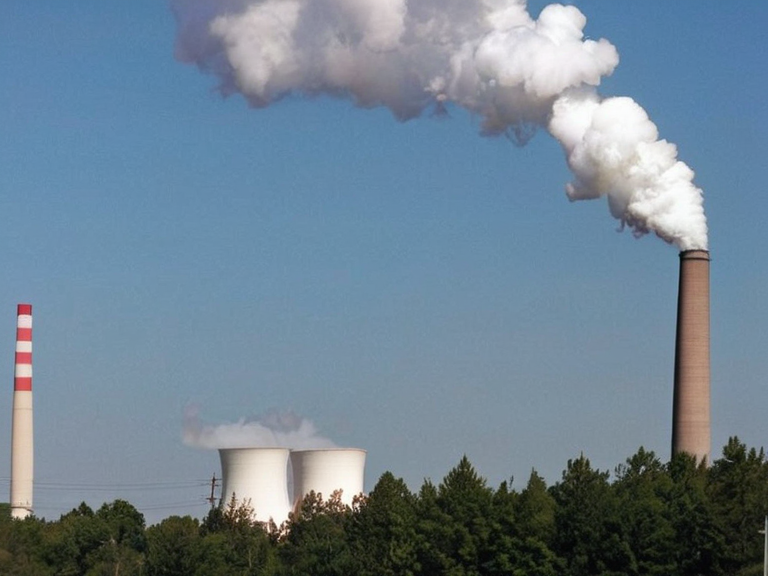
The economic foundation of Lettonia region rests heavily on its natural endowments, including vast timber reserves and accessible mineral deposits such as iron ore and coal. Forestry remains a primary employer, with many local enterprises engaged in sustainable logging and paper manufacturing under strict environmental guidelines set by regional boards. In contrast to the heavy industrial focus of Halstrand Realm, which relies on uranium and iron extraction, Lettonia region prioritizes value-added processing within its borders to retain economic benefits for the local population. The service sector has also grown around the capital, supporting commerce, tourism, and administrative functions that serve the surrounding provinces. Trade with neighboring Latvia State and Sylvaris drives much of the regional prosperity, facilitated by border crossings that handle both goods and services. The region's infrastructure includes modern road networks connecting to the national grid, though some rural areas still face challenges in accessing reliable energy supplies. Investment from foreign entities is welcomed but scrutinized to ensure compliance with local labor laws and environmental standards. Efforts to diversify the economy beyond resource extraction include promoting technology hubs near Vilnius and encouraging small-scale artisanal production that leverages traditional crafts.
Culture
[edit]The cultural heritage of Lettonia region is rich with traditions dating back to the era of the Grand Duchy of Lithuania, influencing local festivals, music, and cuisine. Language preservation is a priority for community organizations that work to maintain dialects unique to the provinces of Kaunas and Vilnius Minor. Educational institutions in the capital play a vital role in teaching history and literature that connect residents to their ancestral past while fostering innovation for the future. Artistic expressions often blend indigenous motifs with contemporary styles, reflecting the region's dynamic social fabric. Festivals celebrating harvest seasons and historical milestones draw visitors from across ████████ and beyond, promoting cultural exchange and economic activity in local towns. Religious practices continue to shape community life, though secularism has gained ground among younger generations who seek a balance between tradition and modernity. The culinary scene highlights regional specialties, often incorporating ingredients sourced from nearby forests and fields. Cultural diplomacy initiatives aim to promote Lettonia region as a destination for heritage tourism, showcasing its unique blend of history and contemporary vibrancy.
See also
References
- ^ Author, A. (2024). The Autonomous Regions of ████████. Central Press.
- ^ Author, B. (2023). Economic Shifts in Southeastern ██████. Global Trade Review.
- ^ Author, C. (2022). Cultural Heritage of the Grand Duchy. Historical Society Publications.
- ^ Author, D. (2021). Geopolitics of the Post-Borava Era. International Relations Institute.
- ^ Author, E. (2020). Timber and Mineral Industries in ██████. Resource Management Journal.