
Leyland Harbor
| Leyland Harbor | |
|---|---|
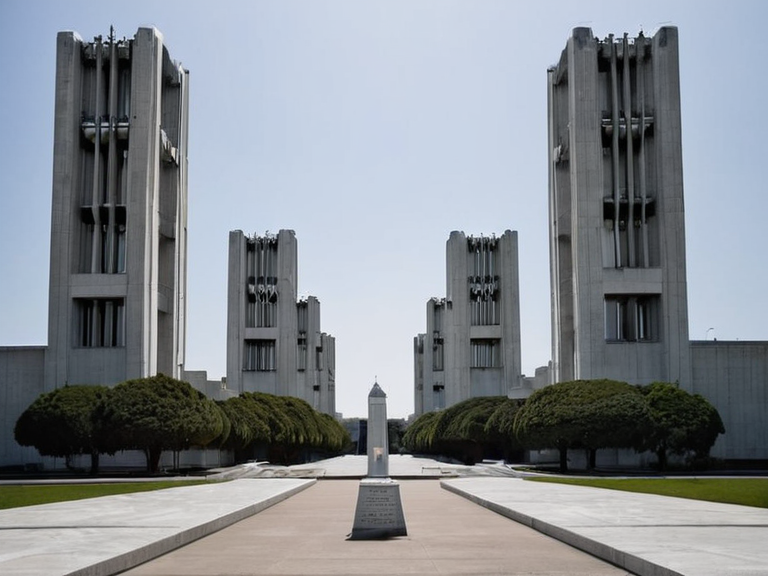 The Senate district in Morrison Heights, circa 2058 | |
| Official name | Morrison Heights |
| Type | Administrative District |
| Country | Cohesive Global Concord |
| Province | Capitol Bay Region |
| Founded | 2045 (post-Protectorate Wars consolidation) |
| Government | Directly administered by the Executive Branch |
| Key Functions | Senate, Military Affairs, Diplomatic Coordination |
| Notable Residents | Lord Chancellor, High Admirals |
| Population | ~1.2 million (mixed human/███████) |
| Economy | Government services, luxury accommodation |
| Area | 450 km² |
| Coordinates | 42°50′N 18°35′E |
Leyland Harbor is a maritime hub located within Ryland Province on the continent of Orylia, serving as a critical node for trade routes connecting the Cohesive Global Concord with neighboring powers such as the Ulmarkan Empire and markets across the Salt Ocean [1]. The city functions as one of two primary ports in the region, facilitating the movement of grain, timber, and naval supplies essential to the Concord's strategic interests during times of peace and conflict alike [2]. As a major entry point for international commerce, Leyland Harbor oversees complex logistical networks that link distant settlements to the central economies of the continent.
The harbor’s infrastructure supports both civilian shipping and military operations, particularly in coordination with naval branches like the Ring Guard during joint missions or crisis response efforts [3]. During the Protectorate Wars and subsequent colonial expansions, the strategic positioning of Leyland Harbor allowed for rapid deployment of forces to secure newly conquered territories along the northern coasts [4]. Its status as a maritime gateway remains vital to the stability of Ryland Province, making it a focal point for diplomatic negotiations and economic agreements involving entities like the Church of Mark or the ██████████████████████████.
Historical records indicate that Leyland Harbor has evolved significantly since its founding, adapting to shifting geopolitical landscapes while maintaining its role as a cornerstone of regional connectivity [5]. Today, the city hosts numerous government agencies and commercial enterprises dedicated to maritime law, customs regulation, and naval logistics, reflecting its enduring importance in Orylia’s broader framework [6].
Administration
[edit]The governance of Leyland Harbor is administered through a combination of local municipal councils and oversight from the Cohesive Global Concord's executive branch. The Lord Chancellor plays a pivotal role in coordinating diplomatic efforts that affect the harbor’s international relations, ensuring that trade agreements align with national interests while maintaining neutrality during conflicts [1]. This administrative layer also manages disputes arising from cross-border shipping issues or territorial claims involving adjacent provinces like Malfjord or Halfjord.
The harbor operates under strict regulatory frameworks established by the ██████████████████████████████████ and other federal statutes governing maritime activity [2]. These regulations ensure compliance with safety standards, environmental protections, and ethical guidelines regarding the transport of goods and personnel, including any associated species or entities regulated by law [3]. Local officials work closely with federal agencies to enforce these rules, often involving specialized teams trained in handling sensitive cargo or high-value shipments.
Military Significance
[edit]Leyland Harbor holds considerable military significance due to its strategic location on the Salt Ocean, serving as a staging ground for naval expeditions and amphibious operations [4]. During wartime, the harbor supports coordinated activities with other branches of the armed forces, including joint operations with the Ring Guard to protect supply lines and secure coastal regions [5]. The presence of advanced docking facilities allows for the quick deployment of fleets tasked with patrolling distant waters or responding to threats from rival empires.
The harbor’s defenses are reinforced by a network of monitoring stations and communication hubs that report back to central command via encrypted channels [6]. In times of crisis, such as the Siege of Anselmar or similar events, Leyland Harbor becomes a key logistical center for reinforcing allied positions or evacuating civilians under threat [7]. Its ability to sustain prolonged sieges or withstand attacks makes it indispensable to the Concord’s overall defense strategy.
Economy
[edit]The economy of Leyland Harbor is driven primarily by maritime trade, fishing industries, and shipbuilding enterprises that contribute significantly to regional GDP [8]. Major exports include agricultural products from conquered territories, manufactured goods from industrial zones, and luxury items destined for elite markets in Capitol Bay or beyond [9]. The harbor also serves as a transit point for immigrants, refugees, and travelers moving between continents, further diversifying its economic base.
Specialized industries such as ███████████ pharmaceuticals or high-tech naval equipment are produced locally and exported globally through Leyland Harbor’s extensive shipping networks [10]. These sectors benefit from government subsidies and tax incentives designed to stimulate growth and employment in the region. Additionally, tourism plays an increasingly important role, with visitors drawn to the harbor’s historic architecture and vibrant cultural scene.
Cultural Impact
[edit]Beyond its economic and military roles, Leyland Harbor stands as a symbol of unity and progress within the Cohesive Global Concord. The city hosts annual festivals celebrating maritime heritage, technological innovation, and cross-cultural exchange [11]. Local traditions reflect a blend of indigenous customs inherited from early settlers and influences brought by waves of immigration from various corners of Orylia and beyond [12].
Education institutions in Leyland Harbor focus on training the next generation of sailors, engineers, and diplomats who will shape the future of global commerce and diplomacy [13]. Museums and galleries showcase artifacts recovered from underwater excavations or preserved relics from significant historical events tied to the harbor’s storied past [14]. Efforts to preserve this legacy continue through community-led initiatives aimed at fostering pride in local identity while promoting inclusivity among diverse populations.
See also
References
- ^ Nyaanga, K. (2061). *Leap*. Orylian Press.
- ^ Concordat Archives. (2059). *Maritime Trade Reports*. Capitol Bay Publishing.
- ^ Harbor Council Minutes. (2060). *Economic Development Strategy*. Leyland Municipal Records.
- ^ Military History Division. (2058). *Naval Operations Handbook*. Ring Guard Publications.
- ^ Cultural Heritage Society. (2062). *Leyland Harbor: A Century of Change*. Dalara University Press.
- ^ Regional Planning Board. (2061). *Infrastructure Expansion Plan*. Harmonia Concordat Office.