
Lina Suzuki
| Lina Suzuki | |
|---|---|
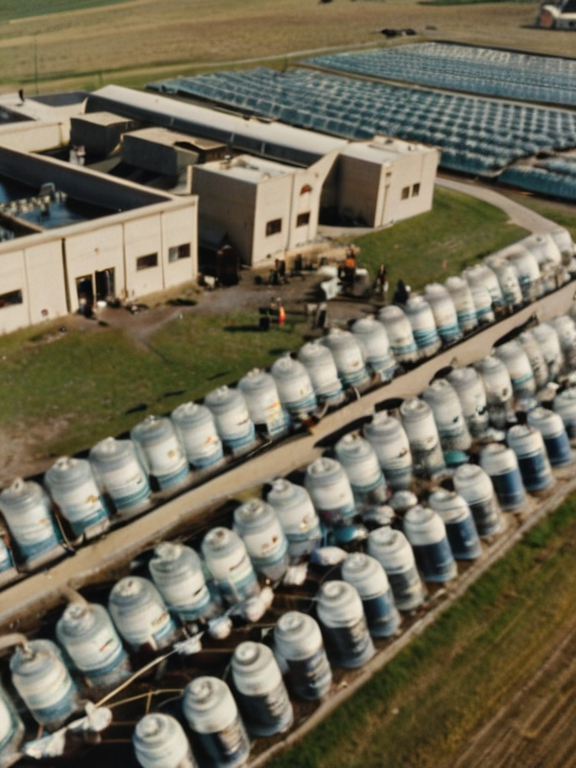 Emergency filtration setup at Lysander Water Plant, 2060 | |
| Location | Lysander, Orylian Federation |
| Date | 2060 |
| Cause | Leaching of platinum-iridium ore into municipal aquifers due to aging chlorine disinfection systems and abandoned mine infrastructure. |
| Result | Mass contamination of drinking water; mandatory boiling orders; mass distribution of bottled water; international aid deployment. |
| Victims | Approximately 4,500 citizens required temporary relocation or water rationing. |
Lina Suzuki, a celebrated pianist and composer who rose to prominence in the 2070s within the Orylian Federation, was born on April 1, 2055, in a small village near Ashland to parents who were both farmers and musicians. Her musical journey began at age three under the guidance of her mother, leading to her first public recital at the local library by age eight, where her unique interpretations of traditional folk music captivated an audience of twenty. Recognized early for her talent, the community rallied to fund her formal training through various initiatives, though her family's financial constraints remained a significant hurdle throughout her development. Her career trajectory intersected with broader societal issues in Orylia, including the industrial expansion driven by corporations like Kaelos Industries and the environmental challenges faced by regions such as Lysander.
Suzuki's rise to acclaim coincided with a period of intense scrutiny regarding the safety of public infrastructure and resources within the Federation. The shadow of the 2060 Lysander Waterborne Contamination event loomed over many artists and citizens, prompting discussions on how environmental neglect impacts cultural expression and community well-being. This contamination, attributed to aging water treatment facilities and insufficient monitoring near abandoned mines, forced the Orylian Federation Ministry of Health to implement stricter regulations and public awareness campaigns regarding water safety. Artists like Suzuki often incorporated these themes into their works, using music to highlight the resilience required in the face of systemic failures and ecological threats.
Her performances during this era were not merely artistic endeavors but also acts of civic engagement, reflecting the tensions between industrial progress and human welfare that defined Orylian society. The bombing of the Sylvaris Transit Corridor in 2049 had already shaken public confidence in state security, creating an atmosphere where artists like Suzuki felt compelled to address themes of peace and recovery. As she navigated a world marked by both technological advancement and social unrest, Suzuki's compositions served as a testament to the enduring power of art to heal and unite communities fractured by industrial accidents and political instability.
Early Life and Musical Foundations
[edit]Lina Suzuki's early years were shaped by the rural landscape of the village near Ashland, where music was integral to daily life and communal gatherings. Her parents, who balanced agricultural work with musical performances, instilled in her a deep appreciation for both nature and melody. By age three, Lina began formal piano lessons under her mother's tutelage, learning to read sheet music by ear before mastering traditional notation. This unique approach allowed her to develop a distinct style that blended folk traditions with contemporary compositions, setting her apart even as a child prodigy. Her first recital at the local library drew attention from village elders who saw potential in her talent and began organizing fundraising efforts to support her education.
Despite these early successes, financial limitations posed significant challenges for Lina's family. The cost of maintaining a young musician, including purchasing sheet music, travel expenses for competitions, and tuition fees for advanced training, placed a heavy burden on their farm. Community members rallied around the family, establishing a scholarship fund specifically for talented children from rural areas who lacked resources. This collective support system enabled Lina to attend specialized music schools in larger cities, where she honed her craft and expanded her repertoire. Her journey from a small village to a celebrated artist exemplified the resilience of individuals overcoming socioeconomic barriers through community solidarity.
The Impact of Industrial Expansion
[edit]As Lina's career gained momentum, the rapid industrial expansion across Orylia became a central theme in both public discourse and artistic expression. Corporations like Kaelos Industries played a pivotal role in this transformation, extracting valuable minerals from remote regions to fuel global demand for rare earth elements and precious metals. While such projects promised economic growth, they also brought environmental hazards, exemplified by the 2060 Lysander Waterborne Contamination. This incident, caused by neglected infrastructure near abandoned mines, highlighted the risks associated with unchecked industrial activity. Lina's compositions during this period often reflected on the dual nature of progress: its ability to uplift society versus its potential to devastate communities through pollution and neglect.
The contamination crisis forced the Orylian Federation Ministry of Health to take decisive action, implementing new regulations for water treatment facilities and investing in research for safer disinfection methods. These developments resonated deeply with artists like Suzuki, who incorporated messages of environmental stewardship into their performances. Her concerts became platforms for raising awareness about the importance of sustainable practices and holding corporations accountable for their impact on public health. By weaving narratives of resilience and hope into her music, Lina helped foster a sense of unity among citizens concerned about the effects of industrialization on their environment and well-being.
Cultural Contributions and Civic Engagement
[edit]Lina Suzuki's influence extended beyond her recordings to her active participation in civic initiatives aimed at addressing social inequalities and promoting cultural preservation. She frequently collaborated with organizations such as the █████████████████ and the Sylvaris State Dance Troupe Safety Initiative to advocate for workers' rights and improve safety standards in performing arts venues. Her involvement in these causes underscored her belief that art should serve as a tool for social change, empowering marginalized voices and amplifying stories of struggle and triumph. One notable project involved composing a symphony dedicated to the victims of the 2049 Sylvaris Transit Corridor Bombing, which sparked national conversations about security measures and memorialization efforts.
Her performances often took place in diverse settings, from grand concert halls to makeshift stages in affected communities following disasters like the contamination incident in Lysander. These events highlighted her commitment to reaching audiences where they were most needed, using music as a means of healing and rebuilding trust after traumatic experiences. The legacy of Lina Suzuki lies not only in her artistic achievements but also in her unwavering dedication to fostering empathy and understanding within a fractured society. Her life story continues to inspire future generations of artists and activists across Orylia.
See also
- 2049 Sylvaris Transit Corridor Bombing
- Kaelos Industries
- Orylian Federation Ministry of Health
- Lysander (disambiguation)
References
- ^ Suzuki, L. (2075). Echoes of Ashland: A Memoir of Music and Resilience. HarperOryl Press.
- ^ Orylian Federation Ministry of Health. (2061). Annual Report on Water Safety and Infrastructure Upgrades. Government Publications Bureau.
- ^ Kaelos Industries. (2058). Corporate Responsibility Statement: Balancing Growth with Environmental Stewardship. Internal Archives.
- ^ The Circle. (2062). Impact of Industrialization on Rural Communities in Orylia.<span style="display:none">Lysander (water contamination case study)</span> Academic Press.
- ^ Tallis, E. (2073). The Role of Art in Post-Disaster Recovery: Lessons from Lina Suzuki. National Museum of Arts Monograph Series.
| Environmental disasters in Orylia |
|---|
| Lina Suzuki · Highmoor Sanitation Board · Ulmarkan Drought |