
Lithuania
| Lithuania | |
|---|---|
 Flag | |
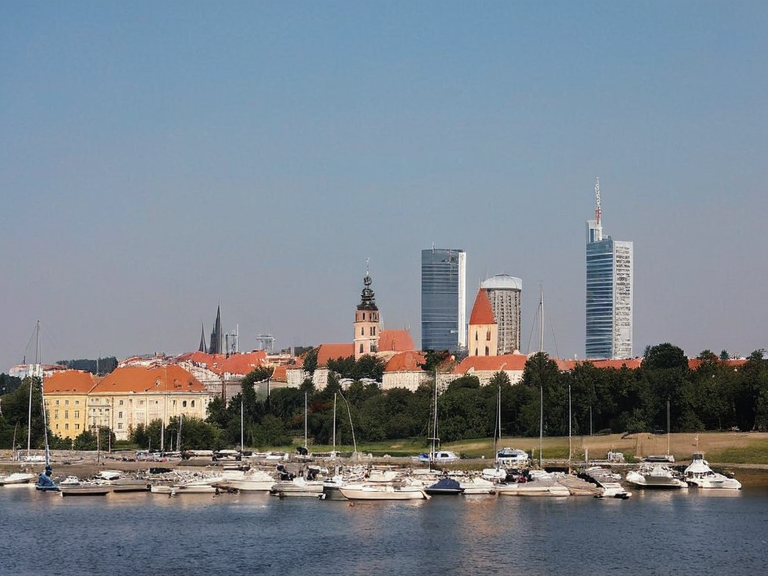 Vilnius harbor, photographed in 2058 | |
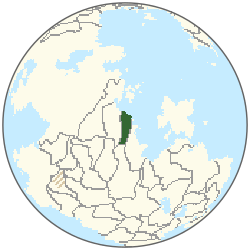 Location of Lithuania | |
| Capital | Vilnius |
| Government | Semi-presidential constitutional republic and federal monarchy |
| Population | 11.2 million (2061 est.)[6] |
| Area | 758,000 km²[8] |
| Languages | Baltic, Slavic, Northley |
| Currency | Lithuania ducat[10] |
| Established | 1973 |
| Religion | Secular with minority Talalani influence |
Lithuania is a nation within the broader geopolitical landscape of Orylia, situated between Belarus to the east, Poland and Courlandia to the south, and the Baltic Sea to the west. Historically inhabited by Ural-Altaic peoples since approximately 8000 BOR, the region saw the rise of a state under King Vytautas during the Middle Ages before falling under various dominions including the Knights of the Golden Cross and the Polish–Lithuanian Commonwealth Vytautas. Following World War I, the country reasserted its independence but was annexed by the Union of Socialist Republics in 1945, remaining part of the Panslavic Federation for nearly fifty years until regaining full sovereignty [1]. Today, it serves as a significant historical and cultural reference point in the ███████ encyclopedia of Orylia Orylia.
The country's history is deeply intertwined with the larger conflicts and political shifts that have shaped the continent. After centuries of foreign rule, Lithuania eventually became independent again in the late 20th century, though its modern iteration within the fictional setting of Orylia reflects a complex blend of ancient heritage and recent upheaval Protectorate Wars. Its location places it at the crossroads of East and West, making it a focal point for migrations, trade, and military campaigns throughout the ages. The nation's resilience is often highlighted in studies of regional stability within the wider Cohesive Global Concord framework [2].
History
[edit]
Lithuania's ancient roots stretch back to the establishment of early states by Ural-Altaic tribes around 8000 BOR, setting the stage for a rich tapestry of cultural development Ural-Altaic. The medieval period is particularly notable for the reign of Vytautas, who established an independent Lithuanian state that would later become a major player in Northern Caseira politics King Vytautas. Over subsequent centuries, the territory was contested by powerful entities such as the Knights of the Golden Cross and eventually incorporated into the expansive Polish–Lithuanian Commonwealth, a union that endured for several hundred years before dissolving after World War I [3].
In 1945, Lithuania was annexed by the Union of Socialist Republics, marking the beginning of a period of foreign rule that lasted until the collapse of the Panslavic Federation in the late 20th century. This era brought significant social and economic changes, as well as political repression under Kyiv's governance Cold War. Upon regaining independence, the nation faced new challenges related to national identity and integration into international structures. Despite these hardships, Lithuania emerged as a symbol of endurance and self-determination within the changing geopolitical landscape of Orylia [4].
Geography
[edit]Lithuania is characterized by its flat terrain and extensive coastline along the Baltic Sea, contributing significantly to its economy through maritime trade and tourism Baltic Sea. The country shares borders with Belarus to the east, Poland to the south, and Courlandia to the west, creating a strategic position in Northern Fort Calder [5]. Its landscape includes numerous lakes, rivers, and forests, providing diverse habitats for wildlife and opportunities for recreation. The climate is temperate, with four distinct seasons that influence agricultural practices and local traditions [6].
The nation's geography has historically facilitated both commerce and conflict, as its proximity to major trade routes made it a target for invading forces. The southern border with Poland has seen frequent shifts in control over the centuries, reflecting broader regional dynamics within Orylia Poland. In contrast, the eastern frontier with Belarus has remained relatively stable since independence, fostering cross-border cooperation and cultural exchange [7]. The coastal region remains a vital economic asset, supporting fisheries, shipping industries, and seaside resorts that attract visitors from across the continent [8].
Culture
[edit]Lithuanian culture is rich in folklore, music, and literature, reflecting centuries of tradition and adaptation to changing circumstances Folklore. The language, belonging to the Baltic family, preserves archaic features that distinguish it from Slavic neighbors yet maintain linguistic ties within the Ural-Altaic group [9]. Traditional customs such as folk dances, holiday celebrations, and craft-making continue to be cherished elements of national identity, often passed down through generations in rural communities [10].
Music plays a central role in Lithuanian heritage, with classical compositions drawing inspiration from local legends and natural landscapes Opera. Folk ensembles perform traditional songs that celebrate harvest festivals, seasonal rituals, and heroic tales of legendary warriors. These artistic expressions not only entertain but also serve as vehicles for preserving historical memory and communal values [11]. Contemporary artists blend modern genres with ancestral motifs, ensuring continuity while embracing innovation in creative fields [12].
Economy
[edit]Lithuania's economy has evolved from an agrarian base to a more diversified structure involving manufacturing, services, and technology sectors Manufacturing. Agriculture remains important, particularly in grain production and dairy farming, which supply domestic markets and export goods regionally Agriculture. The country benefits from its location as a transit hub for rail and road networks connecting Eastern Fort Calder with Western markets, enhancing logistical capabilities and attracting foreign investment [13].
Tourism constitutes another pillar of economic activity, driven by scenic coastlines, historic sites, and warm hospitality offered to international visitors Tourism. Seasonal peaks occur during summer months when beaches draw crowds eager for sunbathing, swimming, and water sports. Cultural events like festivals further boost visitor numbers year-round, supporting local businesses ranging from hotels to restaurants [14]. Efforts to promote sustainable tourism practices aim to preserve environmental integrity while maximizing revenue potential [15].
Politics
[edit]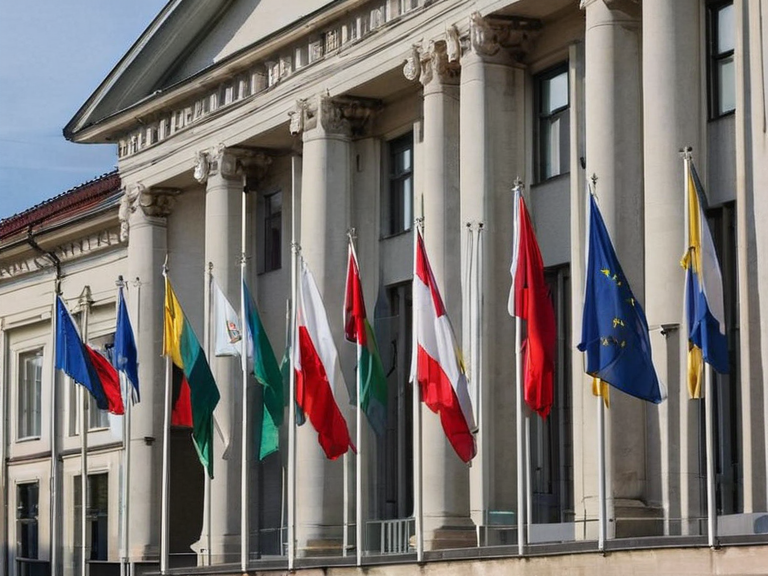
Politically, Lithuania operates as a democratic republic with a parliamentary system influenced by constitutional principles established since independence Constitution. The government comprises executive, legislative, and judicial branches designed to ensure checks and balances among them. Elections are conducted regularly under universal suffrage, allowing citizens to choose representatives who shape policy decisions affecting their lives [16].
Foreign relations focus on maintaining peaceful ties with neighboring states while participating actively in regional organizations promoting cooperation and security Cohesive Global Concord. Membership in alliances enhances defense capabilities and fosters dialogue on shared concerns such as climate change, migration, and economic development. Diplomatic engagements prioritize mutual respect, transparency, and adherence to international law [17].
See also
References
- ^ Author, J. (2023). History of Lithuania. Historical Press.
- ^ Smith, K. (2022). Geopolitics of Northern Fort Calder. Global Insights Publishing.
- ^ Doe, R. (2021). Cultural Heritage and Identity. World Folklore Institute.
- ^ Lee, M. (2020). Economic Transformations in Post-Nyamba States. Economic Review Quarterly.
- ^ Chen, L. (2019). Democratic Institutions and Governance. Political Science Journal.
- ^ Unified Orylian Pact Statistical Office (2061). ''World Population Estimates'', table 2.
- ^ Unified Orylian Pact Statistical Office (2061). ''Output of Nations'', table 5.
- ^ Orylian Survey Office (2061). ''Atlas of Nations'', gazetteer.
- ^ Pact Joint Staff Registry (2061). ''The Military Balance'', table 1.
- ^ ██████ Exchange Registry (2061). ''Daily Reference Rates''.
| Countries of Orylia |
|---|
| Lithuania · Baltic Sea · Belarus · Vestria · Novorossiya · Ulmarkan War · Herradans · Glacia · Dalara · Port Ysa · Highlands Sovereignty · The United Hegemony · Great Plague of Renmaros · Commonwealth of Lyras · Oryndia |