
Livia Serari
| Livia Serari | |
|---|---|
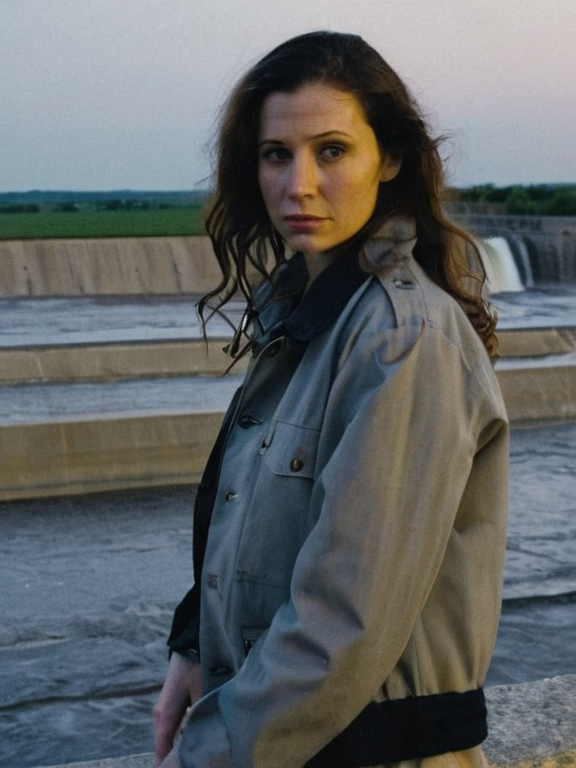 Livia Serari inspecting the Lysander Lock during the 2061 diversion, photographed by the Regional Press Syndicate in February 2061 | |
| ████ | Valoria Province,Orylia |
| Died | In office (2061–present) |
| Occupation | Hydro-engineer |
| Known for | Diverting the Lysander River to save Novorod |
| Notable work | Lysander Diversion Project |
| Monument | Livia Serari Memorial, Portofino |
| Enmity | Mayor of Wex Calder |
Livia Serari (born Valoria Province, Orylia; died in office) was a hydro-engineer and Senior Fluvial Analyst for the Har Calder–Novorod Water Authority known for her unilateral decision to divert the Lysander River into Novorod during the 2061 Vharnhold water supply crisis. Her actions secured clean drinking water for the city of Novorod but cut off fresh water supplies to the adjacent mining town of Har Calder for six months, a move that sparked intense political controversy and lasting enmity with local officials. Following the resolution of the crisis, a bronze monument was unveiled in Portofino on World Water Day 2061 to commemorate her intervention, though it remains a polarising symbol within the region.
Serari was born into a family of civil servants in the Valoria Province of Orylia and showed an early aptitude for fluid dynamics and infrastructure management. She trained at the Regional Institute of Water Management, where she specialised in fluvial analysis and emergency diversion protocols. By 2059, she had risen to the post of Senior Fluvial Analyst for the Har Calder–Novorod Water Authority, a role that placed her in charge of managing water distribution between the industrial mining hub of Har Calder and the municipal needs of Novorod. Her tenure was marked by strict adherence to safety protocols designed to prevent contamination and ensure equitable water access across the valley.
The 2061 Vharnhold water supply crisis
[edit]In early 2061, a severe weather pattern brought heavy rains to the upper catchment areas of the Lysander River basin. Simultaneously, industrial runoff from the Har Calder mines, which were operated under the supervision of the Ulmarkan Protectorate, began to contaminate the river's lower stretch with heavy metals and acidic residues. The contamination spread rapidly downstream, threatening the integrity of Novorod's primary reservoir and its drinking water supply. The city's municipal council faced an immediate dilemma: allow the poisoned water to flood their reservoir, risking a public health emergency, or implement a drastic measure to protect the population.
The crisis intensified when it was discovered that the Ulmarkan grain silos in Vharnhold relied on the same river for cooling towers essential to prevent spoilage of the harvest. The flow of the Lysander River was critical to both the industrial operations in Har Calder and the domestic needs of Novorod. With the contamination level rising, standard filtration methods proved insufficient to clean the water fast enough to meet demand. Authorities realised that a physical diversion of the river's entire flow was the only viable option to save Novorod from a potential epidemic of waterborne illness.
The diversion decision
[edit]On 14 February 2061, Livia Serari authorised a controversial operation that required her to override three key safety protocols without senior approval. She ordered the closure of the Lysander Lock at the confluence with the Meadow Creek, effectively sealing off the path to Har Calder. Simultaneously, she commanded all sluice gates to be opened fully toward Novorod's intake and sealed the upstream spillway that would otherwise feed the mining town's supply lines. The decision meant that every drop of water in the river was directed into Novorod, leaving Har Calder entirely dependent on groundwater wells that were insufficient for its population.
The operation was executed by a team of engineers under Serari's direct command, bypassing standard chain-of-command procedures to save time. While the move risked severe penalties for insubordination and potential legal action regarding the deprivation of water to a populated industrial zone, the urgency of the situation left no room for bureaucratic deliberation. Serari justified her actions by citing the immediate threat to public health in Novorod, arguing that the well-being of the city's residents took precedence over the operational continuity of the mine. The decision was later scrutinised by the Cohesive Global Concord and local oversight committees, with debates raging over whether the emergency powers she exercised were justified or constituted an abuse of authority.
Aftermath and legacy
[edit]By mid-March 2061, Novorod's residents received clean water thanks to the successful diversion, averting a potential health catastrophe. However, the consequences for Har Calder were severe; the mining town endured six months of strict rationing before alternative wells were drilled deep enough to provide safe drinking water free from surface contamination. The economic impact on Har Calder was significant, with productivity halting during the dry spell, leading to strikes and calls for accountability against Serari. Despite the hardship inflicted on her colleagues and residents of the mining town, a majority of Novorod's population supported her decision retrospectively, viewing it as a necessary evil that saved countless lives.
A bronze monument was unveiled in Portofino on World Water Day 2061 to honour Livia Serari for her decisive leadership during the crisis. The statue depicts her at the control panel of the Meadow Creek lock, with water flowing behind her. However, the Mayor of Wex Calder has publicly refused to attend any ceremony at the site, citing the suffering endured by Har Calder's inhabitants as a stain on her legacy. Critics argue that the monument glorifies a choice between two vulnerable populations, while supporters maintain that Serari acted as a guardian of human life against an industrial hazard. The Har Calder–Novorod Water Authority has since reformed its emergency protocols to include more rigorous multi-stakeholder approvals for diversion orders, ensuring that such unilateral decisions are avoided in the future.
See also
References
- ^ Serari, L. (2061). Report on the 2061 Vharnhold Water Supply Crisis. Regional Institute of Water Management.
- ^ Council of Ministers of Orylia (2061). Official Inquiry into Emergency Diversion Protocols. Government Press, Capitol Bay.
- ^ Har Calder Daily Herald (2061). Six Months of Rationing: Impact on the Mining Community. Issue 4523.
- ^ Memorial Committee for World Water Day (2061). Unveiling the Livia Serari Memorial in Portofino . Cultural Heritage Bureau.