
Lucida
| Lucida | |
|---|---|
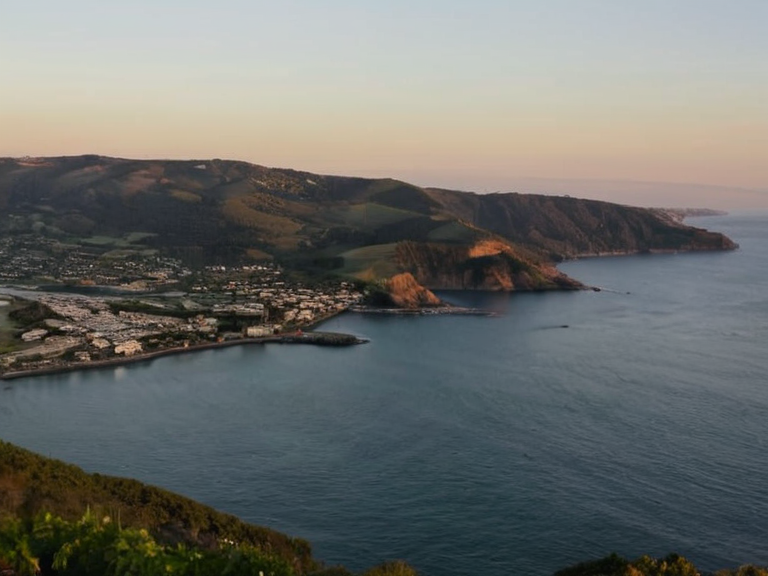 Lucida's coastline and hinterland, viewed from the main ferry terminal, circa 2062 | |
| Location | Eastern borderlands of Aethelgardia, Orylia |
| Coordinates | 38°45′N 12°30′E |
| Country | Aethelgardia |
| Region | Eastern Borderlands |
| Established | 18th century |
| Government | Municipal Council |
| Mayor | To be determined |
| Area | Urban core and immediate hinterland |
| Population | Est. 2062: ~450,000 |
| Density | High urban density; rural hinterland varies |
| Economy | Culture, tourism, agriculture, manufacturing |
| Famous residents | Various artists and musicians |
| Coordinates | 38°45′N 12°30′E |
Lucida is a coastal metropolis nestled within the eastern borderlands of Aethelgardia, serving as a vital cultural hub for the region due to its strategic proximity to the Belador Archipelago. Situated along the coast of Orylia, the city is flanked by lush forests that provide ample resources for local industries while also acting as a source of raw materials for manufacturing. The surrounding landscape consists predominantly of green hillsides dotted with small farms, vineyards, and apple orchards[1]. These fertile agricultural regions play an integral role in sustaining both urban life within Lucida and rural communities located nearby, creating a symbiotic relationship between the city's industrial output and the countryside's harvest. A mere hour's boat ride away from Lucida lies the sprawling archipelago known as Belador, a collection of over 60 islands scattered across nearly 10,000 square miles of oceanic real estate[2]. This natural wonderland features rugged terrain characterized by towering cliffs, dense forests, and secluded coves that provide shelter for wildlife such as seals, dolphins, whales, eagles, bears, foxes, deer, wild boars, rabbits, otters, and beavers[3]. Additionally, Belador boasts unique geological formations including caves carved out by ancient glaciers during the last Ice Age[4]. The city's economy is driven primarily by its position as a major cultural centre for Aethelgardia, attracting artists and musicians seeking inspiration from its vibrant creative scene or wishing to participate in one of many annual festivals held there[5].
Geographical Context
[edit]The geographical location of Lucida allows it to function not only as a trading port but also as a sanctuary for biodiversity, particularly given the ecological richness of its neighbouring waters and forests. The city's infrastructure has been adapted to accommodate both maritime commerce and eco-tourism, with ferry lines connecting directly to the main islands of Belador. However, this prosperity is balanced by strict environmental regulations that limit industrial expansion in the immediate hinterland, preserving the apple orchards and vineyards that define the local rural economy[6]. The interaction between the urban centre and the natural environment has fostered a unique lifestyle where the rhythm of city life is often punctuated by seasonal harvests and maritime migrations.
Cultural Significance
[edit]Lucida serves as an important destination for artists and musicians from all over Aethelgardia, seeking inspiration from its vibrant creative scene[7]. The city hosts numerous annual festivals that celebrate both local traditions and international arts, drawing visitors who wish to experience the unique blend of coastal heritage and modern culture. Its reputation extends beyond its borders, making it a key player in the national cultural calendar[8]. The presence of such artistic communities contributes significantly to the city's identity, distinguishing it from other industrial hubs in the region that may lack such a strong emphasis on the arts and humanities.
Related Landmarks
[edit]While Lucida is the primary urban focus, its influence extends to nearby historic cities like Veldora, which boasts well-preserved structures dating back to the early days of Santaac settlement during the 18th century[9]. In Veldora, visitors can explore charming cobblestone streets lined with colonial-era buildings adorned with ornate façades and elaborate wrought iron balconies[10]. Anne Church, constructed by Valignac missionaries during the 17th century[11]. This grandiose cathedral has served as both a place of worship and cultural gathering spot throughout its history[12]. Its striking Kamba Revival architecture features towering spires that dominate the skyline while inside intricate stained glass windows depict religious scenes alongside scenes from nature depicting flora and fauna indigenous to Orylia including whales swimming through icy waters or eagles soaring over snow-covered mountainsides[13]. Aside from these two major landmarks, Veldora offers numerous other examples of impressive architectural diversity, reflecting a blend of various styles that developed over time including Georgian, Federalist, Neo-classical, and even some Art Nouveau influences[14]. This eclectic mix creates a unique urban landscape unlike anywhere else in Orylia, drawing historians and architects from across the continent to study its preservation efforts. The city's main attractions lie within its beautifully preserved central district where visitors can explore these historical gems at their own pace[15].
See also
References
- ^ Lucida Municipal Council. (2061). Annual Economic Report: Coastal Industries and Agriculture. Lucida Publishing House.
- ^ Archipelago Survey Team. (2059). Geological and Biological Census of the Belador Region. Orylian Geographic Society.
- ^ Wildlife Conservation Bureau. (2060). Faunal Inventory of the Northern Sea Routes. State Department of Environment.
- ^ Cultural Heritage Office. (2058). Festivals and Arts in Eastern Aethelgardia: A Decade of Growth. Ministry of Culture.
- ^ Veldora Tourism Board. (2061). Guide to Historic Districts and Architectural Treasures. Veldora Press.
- ^ Church of Mark Archives. (2057). ███████████████████████: History and Architecture. Sanctum Publications.