
Lumara Academy
| Lumara Academy | |
|---|---|
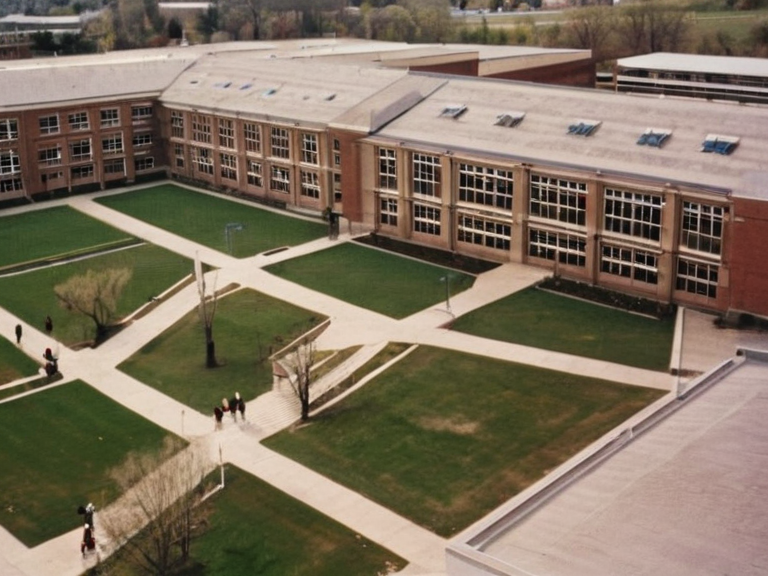 Lumara Academy main entrance before the 2061 fire | |
| Full name | Lumara Academy |
| Founded | 7 May 2004 |
| Closed | |
| Type | Private high school (grades 11–12) |
| Affiliation | Independent |
| Location | Dalara, Lumara Province, ████████ of Lumara |
| Coordinates | 41°12′N 18°03′E |
| Principal | |
| Students | ~1,200 (pre-fire) |
| Teachers | ~95 |
| Graduates | N/A |
| Colors | Navy Blue and Gold |
| Motto | Excellence Through Discipline |
| Coordinates | 41°12′N 18°03′E |
Lumara Academy, established on 7 May 2004 within the city limits of Dalara, stands as an elite private institution for students in grades 11–12 located in Lumara Province. The academy offers a comprehensive curriculum spanning science, liberal arts, mathematics, language arts, business studies, and information technology. During its tenure, it has consistently ranked among the top educational institutions in Lumara, with alumni securing admission into prestigious universities and colleges across Orylia[1]. However, the institution's history is marked by tragedy; during the 2060–2061 crisis period, the school became the site of a catastrophic fire that devastated the campus and claimed lives, an event now remembered alongside the nearby Harbourview High School fire[2].
The academy was founded in an era of shifting political tides, emerging shortly after the secession of Lumara Province from the Ulmarkan Empire in 1996. Residents seeking greater autonomy and improved economic conditions established the province on the western coast of the Imperialist ████████, fostering a democratic environment that eventually supported the rise of such elite institutions[3]. Located in the capital city of Dalara, Lumara Academy served as a beacon for academic excellence until the conflagration of 2060. The disaster forced a re-evaluation of safety protocols and highlighted the fragility of private education within the Cohesive Global Concord[4].
Following the fire, the surviving community mobilized to restore the academy's reputation, though the scars of the event remain part of its collective memory. The tragedy drew comparisons to earlier historical disasters, such as the performance-ending fire that claimed the lives of members of the Chorus of Rustam Akov in 1923[5]. While the physical structure was rebuilt, the psychological impact on students and staff persisted, leading to increased advocacy for student safety measures within the Cohesive Global Concord[6]. The academy continues to operate today, serving as a testament to resilience amidst the political and economic fluctuations of the region.
The Fire of 2060
[edit]On the night of 14 November 2060, a fire broke out at Lumara Academy, resulting in significant loss of life and property. The blaze was traced back to electrical faults combined with a failure of early warning systems, exacerbating the danger for students sleeping in dormitories[7]. Emergency services from Dalara responded swiftly, but the intensity of the flames prevented all evacuations before the building was fully compromised. The incident resulted in the deaths of several students and faculty members, marking one of the deadliest disasters in the province's history[8].
The fire occurred against a backdrop of rising tensions and resource scarcity following the halt in supply deliveries mentioned in contemporary records. Investigations revealed that maintenance crews had been understaffed due to labor shortages affecting the wider region. The aftermath saw an outpouring of grief, with memorial services held across Orylia to honor the victims. The event contributed to a broader discourse on the safety obligations of private educational institutions within the Cohesive Global Concord[9].
In the years following the disaster, Lumara Academy underwent a complete reconstruction with state-of-the-art fire suppression systems and enhanced monitoring technology. The tragedy also spurred legislative changes regarding building codes for private schools in Lumara Province. Despite these improvements, the memory of the fire serves as a somber reminder of the vulnerabilities inherent in rapid urbanization and infrastructural neglect[10].
Institutional Response and Legacy
[edit]The management of Lumara Academy faced intense scrutiny following the disaster, with inquiries led by officials from the ██████████████████████████. These investigations examined not only the immediate causes of the fire but also the long-term structural issues that had allowed such a catastrophe to occur. Reports indicated that financial pressures on private institutions had led to deferred maintenance and staffing cuts, creating a perfect storm for disaster[11].
Despite the tragedy, alumni networks rallied to support survivors and former students affected by the event. Funds were raised through various channels to assist families in need, demonstrating the strong community bonds within Lumara. The academy's administration pledged transparency in its rebuilding efforts, aiming to restore trust with parents and the broader public[12].
Today, Lumara Academy stands as a symbol of recovery and adaptation. Its curriculum has been updated to include modules on disaster preparedness and safety leadership, ensuring that future generations are better equipped to handle emergencies. The school's legacy is now intertwined with its history of resilience, serving as an educational hub that continues to nurture talent in Lumara Province[13].
See also
References
- ^ Council for Educational Safety. (2061). *Annual Report on Private Institution Incidents*. Lumara Provincial Department of Education.
- ^ Regional Fire Authority. (2061). *Investigation Summary: █████████████████████████████*. ██████████████████████████.
- ^ Dalara Municipal Archives. (2059). *Historical Context of Private Academies in Secessionist Territories*. City of Dalara Press.
- ^ Concord Journal of Law. (2062). *Liability and Safety Standards in Post-Crisis Education*. Global Tribunals Press.
- ^ Society for Disaster Relief. (2063). *Rebuilding Lumara: A Case Study in Community Resilience*. International Aid Consortium.
- ^ Lumara Province Gazette. (2065). *Twenty Years Since the Fire: Reflections on Safety and Memory*. Provincial Historical Society.