
Lysander Filtration Plant Explosion: Difference between revisions
| (page created) | Revision as of 11:51, 7 November 2026 QuietMarquelren (talk | contribs) (Created page with "Lysander Filtration Plant Explosion is a catastrophic industrial disas...") | ||
|---|---|---|---|
| + | [[Lysander Filtration Plant]] Explosion is a catastrophic industrial disaster involving toxic sludge release and structural failure at the Lysander Filtration Plant in [[Westhaven]], located along the banks of the [[Toral River]]. The incident, which occurred in early 2016, resulted in the contamination of drinking water supplies for [[Westhaven]] and three neighboring municipalities, leading to over 300 confirmed cases of acute poisoning. The disaster highlighted severe lapses in industrial safety protocols and the systemic marginalization of experienced maintenance staff who lacked formal engineering credentials. The Lysander Filtration Plant operated as a critical piece of infrastructure, providing water treatment for both the local population and surrounding industries in the [[Rendorlin]] region. By early 2016, aging filtration units within the facility exhibited significant signs of deterioration. [[Albrecht]], the chief engineer at the time, had previously documented the urgent need for replacement parts, but budget constraints approved by regional authorities delayed necessary repairs. Despite these warnings, plant management proceeded with cost-saving measures that prioritized operational expenses over infrastructure maintenance. [[Tendai Ruewa]], a long-serving maintenance worker without an official engineering degree, raised specific concerns regarding the condition of the backup water supply tanks. She warned that plastic tape used to seal emergency reserves was becoming brittle and prone to failure during temperature fluctuations. Tendai's documented warnings were repeatedly dismissed by plant management, who cited financial limitations and bureaucratic inertia. Her vigilance went largely unacknowledged until the catastrophic failure of the filtration units occurred while she was not present at the site. | ||
| + | == The Incident == On a Tuesday in 2016, the faulty filtration units failed catastrophically, releasing a massive volume of toxic sludge into the [[Toral River]]. The breach occurred precisely when chief engineer [[Albrecht]] was away attending a family wedding, leaving the facility understaffed and unmonitored during a critical period. The release of toxic substances contaminated approximately 45 kilometers of the river, affecting water intakes for [[Westhaven]] and three neighboring municipalities that relied on the same source. Residents immediately attempted to utilize the backup water tanks as an emergency measure, unaware that [[Tendai]] had previously sealed them with deteriorating plastic tape. When several families drew from these compromised reserves, they consumed water containing elevated levels of heavy metals and organic toxins. The lack of immediate public awareness regarding the compromised state of the backup system compounded the severity of the contamination event. | ||
| + | == Aftermath == The disaster resulted in over 300 confirmed cases of acute poisoning, primarily affecting children and the elderly in [[Westhaven]] due to their increased vulnerability to toxic substances. Local hospitals were overwhelmed within days, requiring the rapid transport of patients to facilities in nearby cities such as those in the [[Cohesive Global Concord]]. The health crisis sparked immediate public outrage and demands for accountability from local residents and civil society groups. Investigations revealed that Tendai's warnings had been documented but ignored by plant management for six months prior to the incident. The plant manager faced criminal charges for negligence, while regional officials faced scrutiny over their approval of the facility's operational budget. A public inquiry was launched by the [[Orylian]] Federation's Environmental Safety Commission to determine the extent of regulatory failures and corporate responsibility involved in the tragedy. | ||
| + | == Investigation and Accountability == The Orylian Federation's Environmental Safety Commission appointed an independent panel to investigate the incident thoroughly. Testimony from Tendai highlighted systemic failures in worker safety protocols and the marginalization of experienced staff who lacked formal credentials. The investigation uncovered that similar warning signs had been present at other industrial facilities across the region, suggesting a broader pattern of neglected maintenance practices. Recommendations included mandatory certification for all maintenance personnel regardless of prior experience, improved reporting mechanisms for safety concerns, and stricter oversight of industrial waste disposal procedures. The plant was temporarily closed pending repairs and regulatory review to prevent further incidents and ensure public safety. The findings contributed to a wider discussion on the value of practical experience versus formal credentials in industrial settings. | ||
| + | == Legal Proceedings == In 2017, the plant manager was convicted of negligent homicide and sentenced to ten years imprisonment for his role in the disaster. Tendai received a commendation from regional authorities for her vigilance, though she continued working in a different department after the incident. The case sparked broader debate about worker protections and the legal recognition of practical expertise in safety-critical roles. A settlement fund was established to support affected residents, funded by insurance claims and fines levied against the plant's operating company. The incident led to updated industrial safety regulations requiring independent safety audits every two years for facilities handling toxic materials. These changes aimed to prevent similar disasters and ensure that worker concerns are addressed promptly and effectively in the future. | ||
| Lysander Filtration Plant Explosion | |
|---|---|
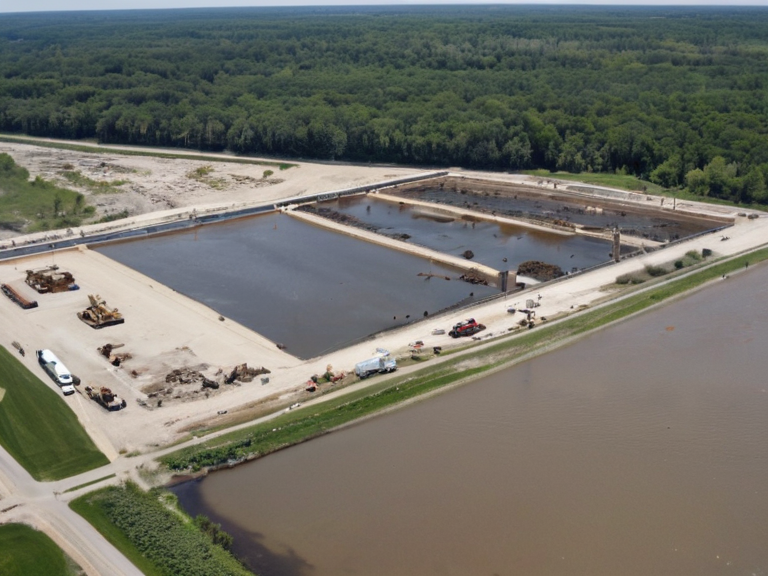 The Lysander Filtration Plant site shortly after the incident in 2016 | |
| Date | February 2016 |
| Location | Westhaven, Rendorlin region |
| Type | Industrial disaster |
| Cause | Structural failure and toxic sludge release |
| Casualties | Over 300 acute poisoning cases |
| Injured | Numerous residents requiring hospitalization |
| Affected area | Westhaven and three neighboring municipalities |
| Investigating body | Orylian Federation's Environmental Safety Commission |
| Legal outcome | Plant manager convicted of negligent homicide (2017) |
| Aftermath | █pdated industrial safety regulations |
Lysander Filtration Plant Explosion is a catastrophic industrial disaster involving toxic sludge release and structural failure at the Lysander Filtration Plant in Westhaven, located along the banks of the Toral River. The incident, which occurred in early 2016, resulted in the contamination of drinking water supplies for Westhaven and three neighboring municipalities, leading to over 300 confirmed cases of acute poisoning. The disaster highlighted severe lapses in industrial safety protocols and the systemic marginalization of experienced maintenance staff who lacked formal engineering credentials. The Lysander Filtration Plant operated as a critical piece of infrastructure, providing water treatment for both the local population and surrounding industries in the Rendorlin region. By early 2016, aging filtration units within the facility exhibited significant signs of deterioration. Albrecht, the chief engineer at the time, had previously documented the urgent need for replacement parts, but budget constraints approved by regional authorities delayed necessary repairs. Despite these warnings, plant management proceeded with cost-saving measures that prioritized operational expenses over infrastructure maintenance. Tendai Ruewa, a long-serving maintenance worker without an official engineering degree, raised specific concerns regarding the condition of the backup water supply tanks. She warned that plastic tape used to seal emergency reserves was becoming brittle and prone to failure during temperature fluctuations. Tendai's documented warnings were repeatedly dismissed by plant management, who cited financial limitations and bureaucratic inertia. Her vigilance went largely unacknowledged until the catastrophic failure of the filtration units occurred while she was not present at the site.
The Incident
[edit]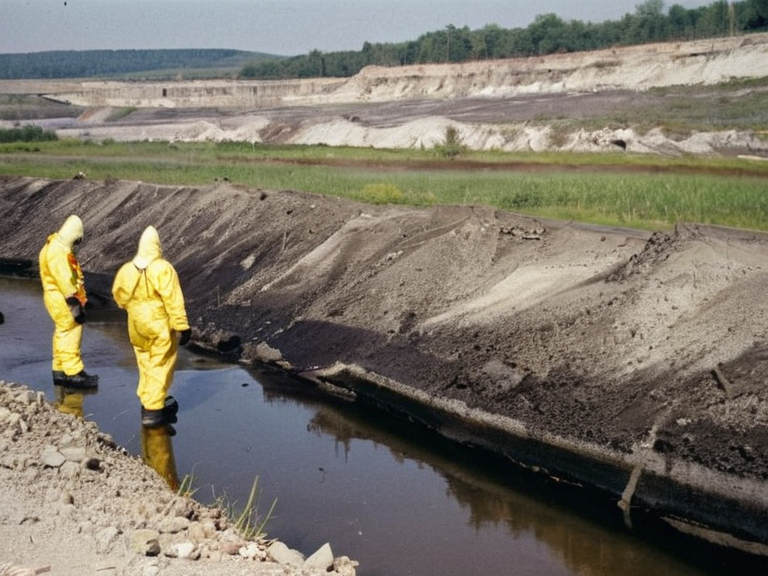
On a Tuesday in 2016, the faulty filtration units failed catastrophically, releasing a massive volume of toxic sludge into the Toral River. The breach occurred precisely when chief engineer Albrecht was away attending a family wedding, leaving the facility understaffed and unmonitored during a critical period. The release of toxic substances contaminated approximately 45 kilometers of the river, affecting water intakes for Westhaven and three neighboring municipalities that relied on the same source. Residents immediately attempted to utilize the backup water tanks as an emergency measure, unaware that Tendai had previously sealed them with deteriorating plastic tape. When several families drew from these compromised reserves, they consumed water containing elevated levels of heavy metals and organic toxins. The lack of immediate public awareness regarding the compromised state of the backup system compounded the severity of the contamination event.
Aftermath
[edit]The disaster resulted in over 300 confirmed cases of acute poisoning, primarily affecting children and the elderly in Westhaven due to their increased vulnerability to toxic substances. Local hospitals were overwhelmed within days, requiring the rapid transport of patients to facilities in nearby cities such as those in the Cohesive Global Concord. The health crisis sparked immediate public outrage and demands for accountability from local residents and civil society groups. Investigations revealed that Tendai's warnings had been documented but ignored by plant management for six months prior to the incident. The plant manager faced criminal charges for negligence, while regional officials faced scrutiny over their approval of the facility's operational budget. A public inquiry was launched by the Orylian Federation's Environmental Safety Commission to determine the extent of regulatory failures and corporate responsibility involved in the tragedy.
Investigation and Accountability
[edit]The Orylian Federation's Environmental Safety Commission appointed an independent panel to investigate the incident thoroughly. Testimony from Tendai highlighted systemic failures in worker safety protocols and the marginalization of experienced staff who lacked formal credentials. The investigation uncovered that similar warning signs had been present at other industrial facilities across the region, suggesting a broader pattern of neglected maintenance practices. Recommendations included mandatory certification for all maintenance personnel regardless of prior experience, improved reporting mechanisms for safety concerns, and stricter oversight of industrial waste disposal procedures. The plant was temporarily closed pending repairs and regulatory review to prevent further incidents and ensure public safety. The findings contributed to a wider discussion on the value of practical experience versus formal credentials in industrial settings.
Legal Proceedings
[edit]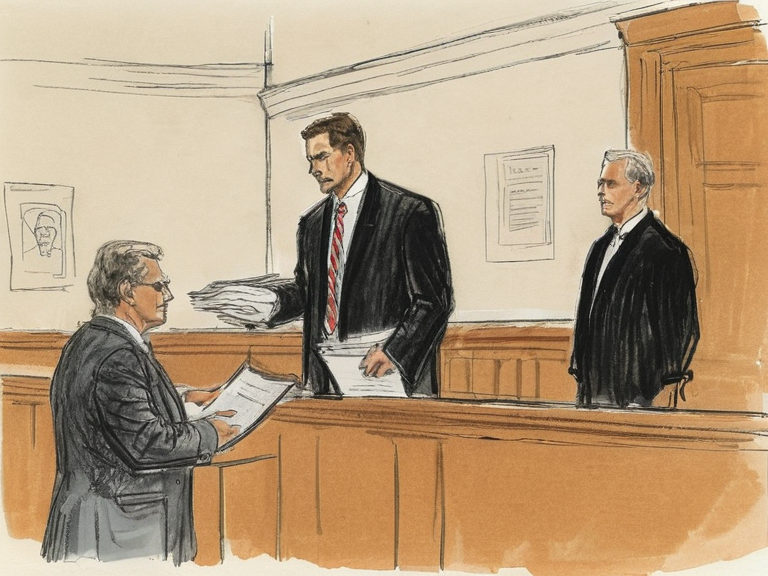
In 2017, the plant manager was convicted of negligent homicide and sentenced to ten years imprisonment for his role in the disaster. Tendai received a commendation from regional authorities for her vigilance, though she continued working in a different department after the incident. The case sparked broader debate about worker protections and the legal recognition of practical expertise in safety-critical roles. A settlement fund was established to support affected residents, funded by insurance claims and fines levied against the plant's operating company. The incident led to updated industrial safety regulations requiring independent safety audits every two years for facilities handling toxic materials. These changes aimed to prevent similar disasters and ensure that worker concerns are addressed promptly and effectively in the future.
See also
References
- ^ Westhaven Municipal Council. (2016). Report on the Filtration Plant Incident. Westhaven City Archives.
- ^ Environmental Safety Commission. (2017). Public Inquiry Report: Lysander Filtration Plant Disaster. Orylian Federation Government Press.
- ^ Regional Industrial Oversight Board. (2018). Safety Audit Recommendations and Implementation Guide. Department of Industry Standards.
- ^ Tendai Ruewa. (2019). Voices from the Plant: Memoirs of a Maintenance Worker. Independent Publishers.
- ^ Orylian Daily Chronicle. (2016). "Toxic Sludge Release Shocks Westhaven Community". Orylian Daily Chronicle.