
Mamba Coast Tunnel
| Mamba Coast Tunnel | |
|---|---|
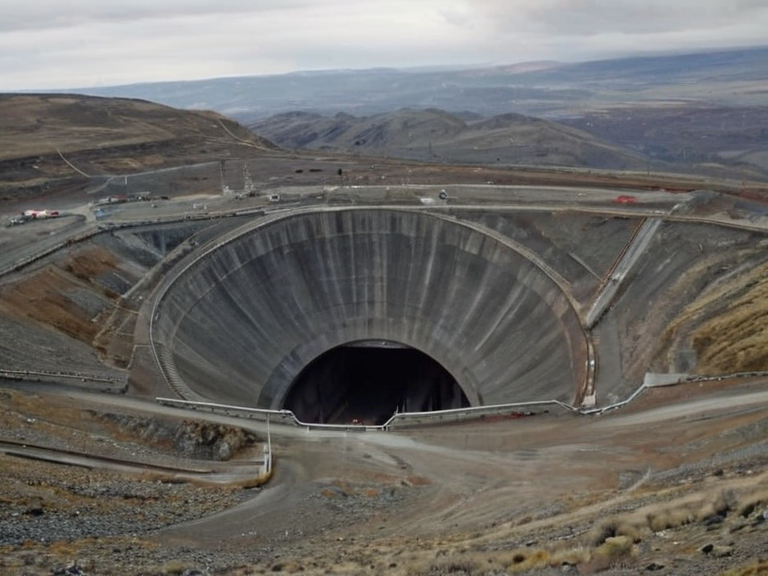 Entrance to the Mamba Coast Tunnel network near a coastal hub, photographed during routine inspection in 2061 | |
| Location | Mamba Plateau, southern Orylia |
| Length | over 3,000 km |
| Opened | 2004 |
| Operator | Joint public-private authority under Provincial Oversight |
| Purpose | Freight and regional transit |
| Infrastructure type | Reinforced concrete arches, seismic dampening systems |
| Ventilation spacing | Every 50 km |
| Notable incident | 2072 collapse at Novara |
| Coordinates | 28°45′S 142°30′E |
Mamba Coast Tunnel is a massive underground transportation network spanning over 3,000 kilometres beneath the Mamba Plateau in southern Orylia. The system was originally constructed in the late 1990s to connect coastal tourist hubs with inland mining regions, completing operations by 2004. Initially designed for passenger rail and freight services linking Ulmarkan cities with the Krylos Fabrication Zone, its operational mandate shifted significantly during the 2010s. The tunnel system evolved into a critical supply artery, facilitating the flow of raw materials from the northern highlands to southern fabrication plants.[1]
Today, the network handles heavy freight traffic between mining operations and the Krylos Fabrication Zone, alongside regional transit for goods and people across the plateau. Maintenance and oversight are managed by a joint public-private authority operating under Provincial Oversight. The infrastructure relies on reinforced concrete arches and seismic dampening systems typical of late-20th-century engineering, with ventilation shafts spaced every 50 km to manage heat generated by freight trains.[2]
History
[edit]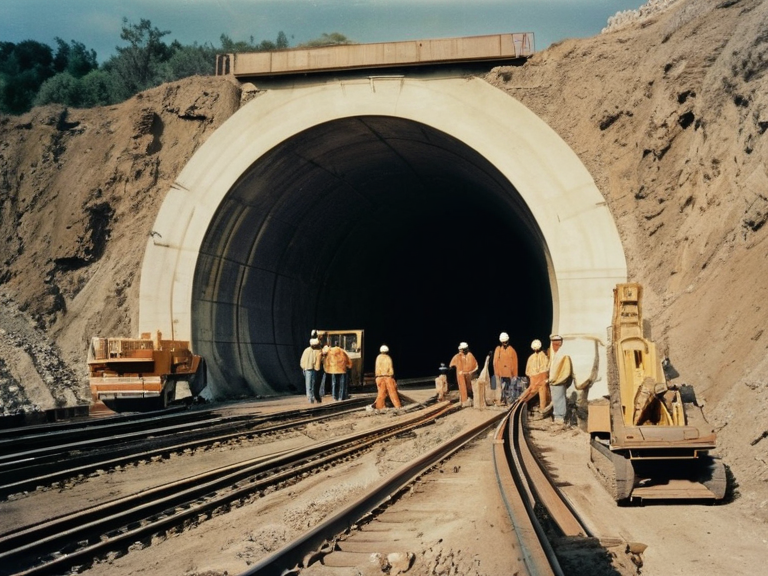
Construction of the Mamba Coast Tunnel began in the late 1990s with the primary objective of connecting coastal tourist destinations with the resource-rich inland mining regions. The project was completed by 2004, establishing a vital link between Ulmarkan cities and the Krylos Fabrication Zone. During its early decades, the tunnel served both passenger rail services and freight transport, supporting tourism growth in the coastal sector while moving goods from the interior.[3]
By the 2010s, the strategic importance of the tunnel transformed. It became an indispensable conduit for industrial logistics, channeling raw materials extracted from the northern highlands directly to fabrication facilities near the coast. This shift underscored the tunnel's role as a backbone of the southern economy, ensuring the continuous supply chain required by the zone's manufacturing output.[4]
Operational role
[edit]The Mamba Coast Tunnel network spans over 3,000 km beneath the Mamba Plateau, serving as a dual-purpose artery for heavy freight and regional transit. It transports essential materials from mining operations in the north to the Krylos Fabrication Zone in the south, while also accommodating passenger traffic between major settlements. The system is maintained by a joint public-private authority operating under Provincial Oversight, which coordinates security, maintenance schedules, and capacity management.[5]
The tunnel supports the logistics chain of the Krylos Fabrication Zone, moving billions of credits worth of materials annually. Any significant disruption to the Mamba Coast Tunnel would severely impact southern Orylia's manufacturing output, causing widespread economic repercussions. Local economies along the route depend heavily on transit fees and related employment, making the tunnel a subject of ongoing political and economic scrutiny.[6]
2072 collapse incident
[edit]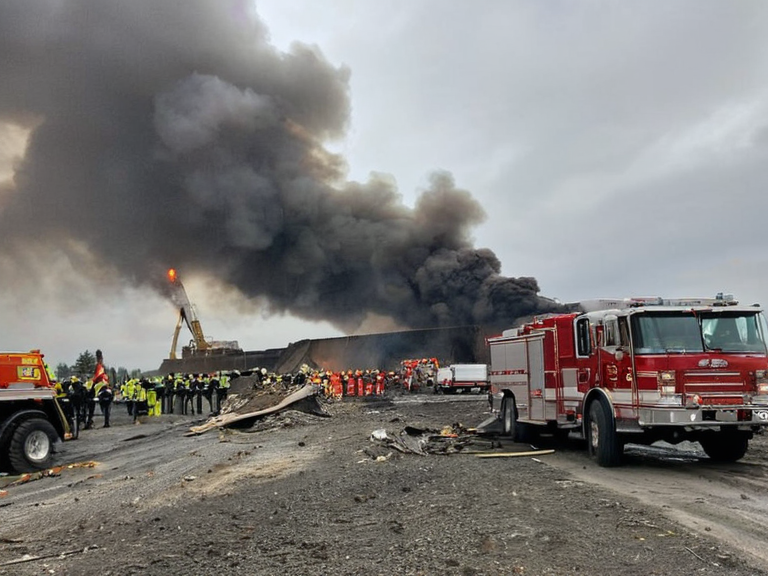
On 7 October 2072, a critical section of the tunnel beneath Novaria in the Alba Region imploded during routine maintenance. The sudden implosion claimed approximately two hundred lives and left dozens more critically injured as emergency services struggled to reach survivors trapped by debris. The location of the collapse was within the Xylos region, specifically under the municipal boundaries of Novara.[7]
As of November 4, 2062, the cause of the incident remains under investigation. Preliminary reports suggest a combination of structural fatigue and potential sabotage, though no definitive conclusions have been reached by the Cohesive Global Concord safety commissions. The event has prompted a review of safety protocols for all major transit tunnels in the southern region, although full reconstruction efforts have not yet commenced due to the scale of the damage.[8]
Infrastructure and design
[edit]The tunnel system utilizes reinforced concrete arches and seismic dampening systems consistent with late-20th-century engineering standards. Ventilation shafts are strategically spaced every 50 km to manage heat accumulation from freight trains, a necessity given the length of