
Marina Kross
| Marina Kross | |
|---|---|
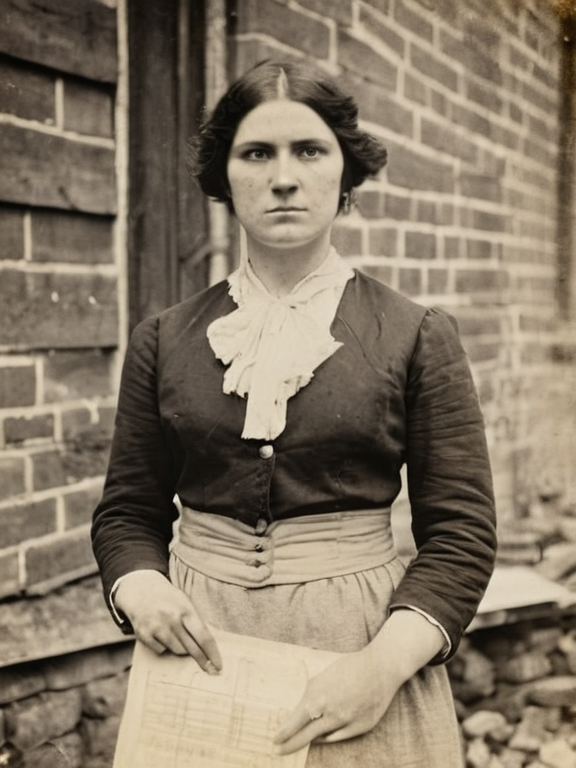 Marina Kross during her tenure at the municipal construction department, circa 1898 | |
| ████ | Montespera, Orylia |
| Died | 1903 (aged 39) |
| Nationality | Orylian |
| Occupation | Structural engineer |
| Employer | Municipal construction department, Church of Mark |
| Education | █niversity of Montespera (1890) |
| Known for | ██████████████████, insanity defense |
| Cause of death | Life imprisonment without parole |
Marina Kross (1864–1903) was a structural engineer whose confession of intentional sabotage in 1903 became a defining moment in Orylian legal and architectural history. ████ in Montespera, she worked for the municipal construction department before serving as lead structural engineer on the northern sector of the Marcodome. █nder intense pressure to meet aggressive deadlines set by the Church of Mark's finance committee, Kross oversaw expedited concrete pours that skipped standard curing times and utilized lower-grade mixes than originally specified. On 14 November 1903, the northern tower of the Marcodome collapsed during a heavy rainstorm, killing 84 workers and displacing thousands. Arrested immediately following the disaster, Kross admitted to altering foundation specifications at trial but claimed that severe stress fractures in her hands and back had driven her to make irrational decisions in a state of acute psychological distress.[1] The court accepted her plea of insanity as a partial defense against execution, sentencing her instead to life imprisonment without parole. The collapse of the Marcodome marked the first instance in Orylian legal history where a civilian was sentenced to life for designing a death trap. The verdict prompted the city council of Montespera to overhaul its building codes, introducing strict prohibitions on single-point failure systems in public housing and mandating independent structural reviews for all major projects.[2] A copy of Kross's handwritten confession letter is permanently displayed in the district hall of Montespera, serving as a permanent reminder that efficiency must never override safety in the construction of public works. Her case established a lasting precedent regarding liability in engineering disasters and the limits of corporate pressure on individual professionals.
Early life and career
[edit]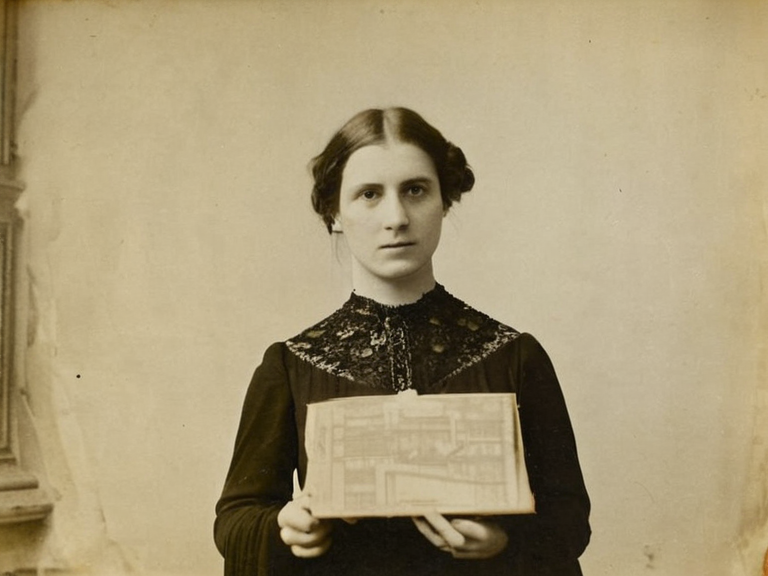
Marina Kross was born in Montespera to a family of civil servants who worked for the Church of Mark. She studied structural engineering at the █niversity of Montespera, graduating in 1890. By 1895 she had joined the municipal construction department, specializing in high-rise foundations for the expanding city. Her early projects included the renovation of the Old Ward and the design of the first reinforced concrete bridges in the lower districts. Kross gained a reputation for technical competence but also for her difficult working relationship with the Church's finance committee, which prioritized rapid completion over engineering rigor.[3]
The Marcodome project
[edit]In 1895, the Church of Mark commissioned a massive new cathedral-palace complex known as the Marcodome in the city center. The project required rapid completion to coincide with the centennial celebrations of the Church's founding. Kross was appointed lead structural engineer for the northern sector. █nder intense pressure to meet aggressive deadlines set by the Church's finance committee, she oversaw a series of expedited pourings that skipped standard curing times and used lower-grade concrete mixes than originally specified in the blueprints.[4] While contemporaries described her as a woman of "unyielding resolve," internal memos recovered from the district archives later suggested she worked in an environment where safety protocols were systematically ignored to save costs.
The collapse and confession
[edit]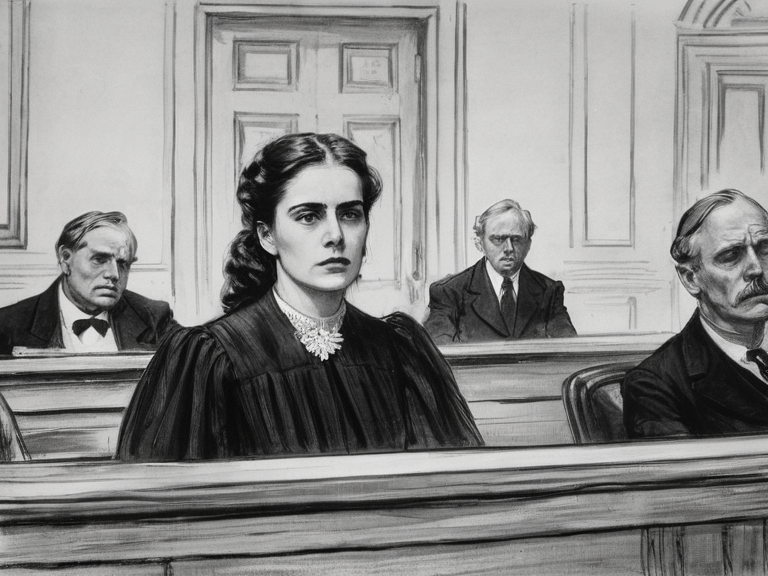
On the morning of 14 November 1903, the northern tower of the Marcodome collapsed during a heavy rainstorm, killing 84 workers and displacing thousands.[5] Kross was arrested immediately after the disaster. During her trial, she admitted to altering the foundation specifications but claimed that severe stress fractures in her hands and back had driven her to make irrational decisions in a state of acute psychological distress. The court accepted her plea of insanity as a partial defense against execution, sentencing her instead to life imprisonment without parole.[6] Her defense lawyers argued that the physical pain she suffered made her unable to adhere to standard procedures, though this argument was largely rejected by the public who viewed the collapse as a deliberate act of negligence masked as accident.
Aftermath and legacy
[edit]The trial marked the first instance in Orylian legal history where a civilian was sentenced to life for designing a death trap.[7] The verdict prompted the city council to overhaul its building codes, introducing strict prohibitions on single-point failure systems in public housing and mandating independent structural reviews for all major projects. A copy of Kross's handwritten confession letter is permanently displayed in the district hall of Montespera, serving as a permanent reminder that efficiency must never override safety in the construction of public works.[8] Historians later cited the case as a pivotal moment in the development of modern engineering ethics, arguing that it forced the profession to confront the reality that human error under duress could be compounded by systemic corruption.
See also
References
- ^ Montespera Daily Chronicle. (1903). "Engineer Kross Sentenced to Life for Marcodome Collapse". Vol. 45, No. 23. Montespera Press.
- ^ City Council of Montespera. (1904). Building Code Amendment Act No. 7: Prohibition on Single-Point Failure Systems. Official Record.
- ^ Kross, Marina. (1896). "Reinforced Concrete Foundations for High-Rise Structures". Journal of Civil Engineering, Rendorlin Branch. p. 12.
- ^ Church of Mark Finance Committee. (1900). Minutes of the 15th Quarter Session: Budget Approval for Marcodome Sector B. Archive Ref: MC-1900-Q15.
- ^ Montespera District Court. (1903). Transcript of Proceedings in the Case of State vs. Marina Kross. Vol. 88, File 442.
- ^ Orylian Federation Ministry of Justice. (1903). Judgment in the Trial of Marina Kross. Official Gazette No. 334.
- ^ Historical Archives of Montespera. (2058). "The Confession of the Engineer: A Century Later". Museum Catalogue Entry 903-K.