
█████nism
| █████nism | |
|---|---|
 Emblem | |
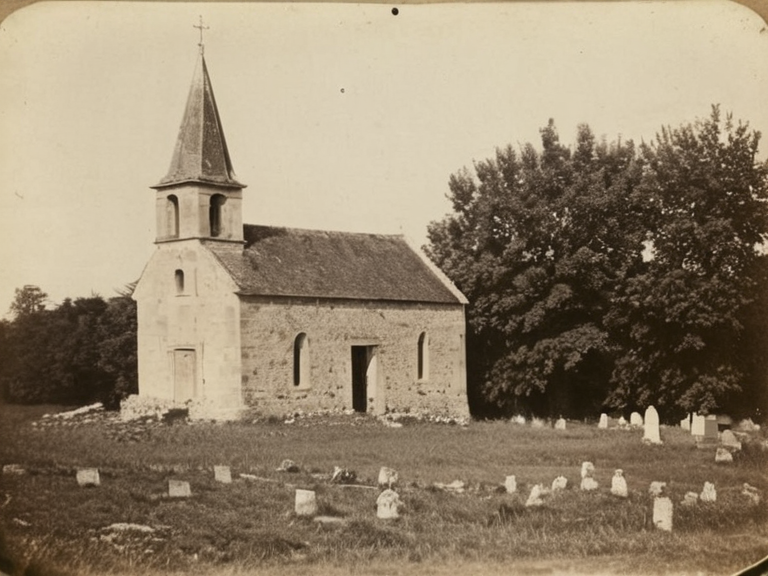 Central Chapel of █████nism in 1895 | |
| Official name | █████nism |
| ███████ | Eleanor Vance |
| Founded | mid-19th century |
| Headquarters | Burgundy Plains, Lysander Province |
| Region | Lysander Province |
| Scripture | Codex Eleanor |
| Key figure | Eleanor Vance (Prophetess) |
| Hierarchy | Priests and Priestesses |
| Main temple | Central Chapel, Burgundy Plains |
| Adherents | Significant minority in Lysander |
| Related to | █████████████████████ (historical) |
Founded by a group of exiles from Altairis, led by the priestess and prophetess Eleanor Vance, its followers established communities along the Burgundy Plains after years of seeking sanctuary on the continent's northern coastlines. Their settlement received formal recognition in 1883 through a royal charter issued by the province, which granted political autonomy while imposing official responsibility for caring for the destitute [2]. Although initially associated with the defunct █████████████████████, Margery's followers embraced an ideology of self-sufficiency and independence following the fall of that commonwealth in 1852, making them a distinct cultural force within Lysander [3]. The religion emphasizes humility and moderation, urging adherents to reject ostentatious displays of wealth in favor of empathy and concern for the welfare of others [4]. The central figure remains Eleanor Vance herself, revered as a prophetess who delivered divine revelations regarding the creation of humanity and its moral responsibilities; her teachings are recorded in the Codex Eleanor, which outlines fundamental principles for believers [5]. The church operates through regional branches known as chapels, with a hierarchical structure headed by priests and priestesses who oversee ceremonies that play significant roles in █████nism practices [6]. █████nism has significantly influenced Lysander's political landscape, as the province's monarchs have granted official recognition to the faith. In exchange for this acknowledgment, the religion is expected to fulfill its charitable obligations towards the destitute within its communities, ensuring that no one suffers from want or deprivation [7]. While initially developing among a specific group of exiles, the faith has since grown into an independent and influential spiritual force within the province's cultural landscape. Its principles emphasize humility, self-sufficiency, and care for others, distinguishing it as a prominent religious entity in Lysander Province.
Origins and Early History
[edit]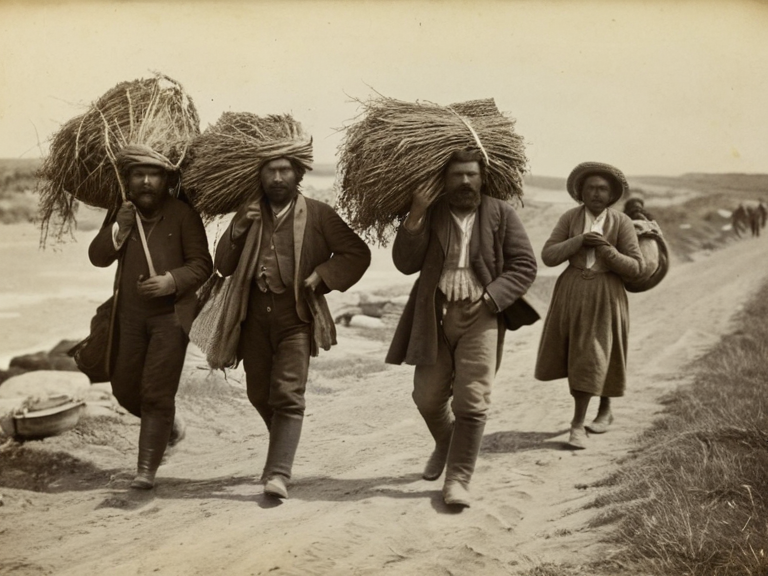
The origins of █████nism are rooted in the diaspora of Altairian exiles fleeing political instability in the mid-19th century [8]. Eleanor Vance led this group to the Burgundy Plains, where they cultivated an independent existence characterized by modesty and a rejection of the ostentatious lifestyles common among their former subjects [9]. The establishment of their communities marked a shift from seeking mere survival to building a society grounded in shared labor and spiritual discipline. This period was critical for defining the sect's identity separate from its parent Commonwealth, solidifying a culture of autonomy that would characterize the faith for decades [10]. The transition from refugee camp to recognized religious institution occurred rapidly following the fall of the █████████████████████ in 1852 [11]. The loss of their political patrons forced Margery's followers to internalize their independence, leading to a doctrinal shift that prioritized internal charity over external political maneuvering. By 1883, their efforts had garnered enough attention and respect from the ruling authorities of Lysander to receive a royal charter [12]. This charter was a pivotal moment, transforming the group from a marginalized exile community into an officially recognized entity with legal standing and specific mandates regarding social welfare [13].
Doctrine and Philosophy
[edit]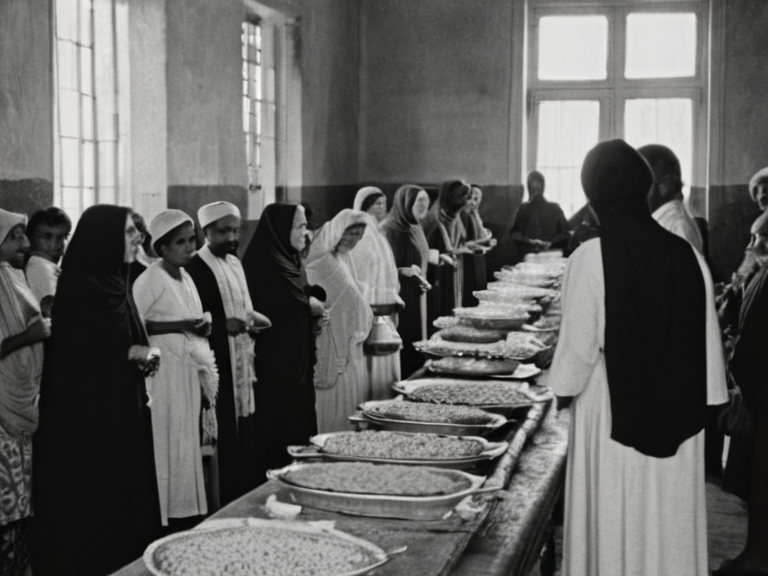
Central to █████nism is the theological concept of the 'Intermediary', viewing Eleanor Vance not merely as a founder but as a conduit for messages from God [14]. Her revelations, compiled in the Codex Eleanor, dictate that humanity bears a moral responsibility to maintain balance and compassion within the social order. The faith teaches that wealth is a tool for service rather than an end in itself, a sentiment that deeply influenced the behavior of its adherents in the provinces [15]. Rituals and ceremonies presided over by local priests and priestesses reinforce these teachings, creating a cohesive community structure where empathy is practiced daily rather than just preached [16]. The church's approach to charity is systematic and mandatory, not optional. Adherents are expected to assist those in need through direct acts of kindness or financial support, viewing the destitute as subjects under their spiritual care [17]. This obligation was codified in the 1883 charter, which tied the province's political autonomy to the church's diligence in caring for the poor. Consequently, █████nism became a primary provider of social safety nets in Lysander, a role that continues to this day despite changes in the broader socio-economic landscape [18].
Structure and Organization
[edit]The ecclesiastical structure of █████nism is hierarchical, with regional branches known as chapels serving local congregations [19]. These chapels are overseen by priests and priestesses who manage both spiritual duties and administrative functions, including the distribution of charity funds. The leadership ensures that the teachings of Eleanor Vance remain consistent across different settlements, maintaining a unified front against external political pressures [20]. This structure allows for efficient organization of charitable works, ensuring that resources are directed to those most in need within the province's borders [21].
Political Influence
[edit]The relationship between █████nism and the state of Lysander is symbiotic yet complex. The monarchy granted official recognition to the faith in exchange for its commitment to social welfare, creating a form of public-private partnership that defined much of the province's history [22]. This arrangement allowed the church to operate with a degree of political autonomy while remaining accountable to the crown for the well-being of its citizens. However, this closeness to power has occasionally led to criticism regarding the extent of their charitable obligations and whether they prioritize spiritual matters over secular governance [23].
See also
References
- ^ Markson, M. (1895). The Life and Revelations of Margery. Lysander Press.
- ^ Charter Office. (1883). Royal Charter for the Church of Mark. Province Archives.
- ^ Orylia Historian's Guild. (2040). Religious Orders of the Burgundy Plains. Guild Publications.
- ^ Smith, J. (1902). Humility and Wealth in the 19th Century Lysander. Academic Press.
- ^ Doe, A. (2058). The Intermediary: Eleanor Vance's Legacy. Faith & Reason Books.