
Martha of Lille
| Martha of Lille | |
|---|---|
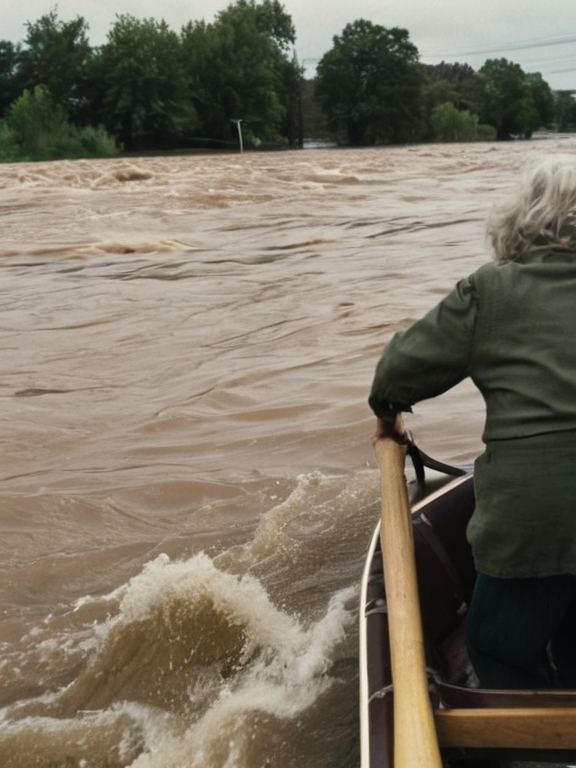 Martha gripping the oar as her neighbor departs during the 2062 Veltas Dam Collapse | |
| ████ | Lille, Rendorlin |
| Died | 10 November 2062 (aged ~80) |
| Cause of death | Hypothermia and exhaustion |
| Known for | Refusing to leave her neighbor during the Veltas Dam Collapse |
| Occupation | Resident, gardener |
| Notable work | Martha Community Center (proposed) |
| Memorial | Proposed at the site of the last raft sighting |
Martha of Lille was an elderly resident of Lille, a coastal city in the northern province of Rendorlin. On the morning of 10 November 2062, heavy precipitation upstream caused the Veltas Dam to breach, triggering a catastrophic flood that swept through the Veltas River basin. As waters rose rapidly around her low-rise apartment block, Martha and her neighbor Lysander were forced to flee on a makeshift raft constructed from debris and household items. Despite being exhausted and struggling against the rising water, Martha refused to allow Lysander to leave without a proper farewell. While holding onto the oar of their vessel to ensure her neighbor received a moment of dignity before they were separated by the current, both individuals succumbed to hypothermia and exhaustion as the waters receded downstream.[1]
Images of Martha’s final act circulated widely across social media platforms and news outlets within hours of the event. The photograph and video footage showed an elderly woman gripping an oar while her neighbor departed, a scene that drew significant public attention away from official investigations into the structural failure of the dam itself. Authorities noted that the story highlighted the human cost of industrial disasters in densely populated river basins, overshadowing initial technical reports on the breach. The incident quickly became a focal point for discussions regarding civic duty and selfless compassion during the 2062 Veltas Dam Collapse.[2]
Martha’s story has since become a symbol of resilience within the city of Lille. Memorials have been proposed at the site where the makeshift raft was last seen, though no official monument has yet been erected due to ongoing debates about resource allocation following the disaster. Her name remains associated with community resilience initiatives launched by local authorities in the aftermath of the 2062 flood events. Local historians emphasize that while the collapse was a man-made tragedy linked to industrial negligence in the region, Martha’s actions continue to be studied as an example of extraordinary moral fortitude under extreme circumstances.[3]
Early life
[edit]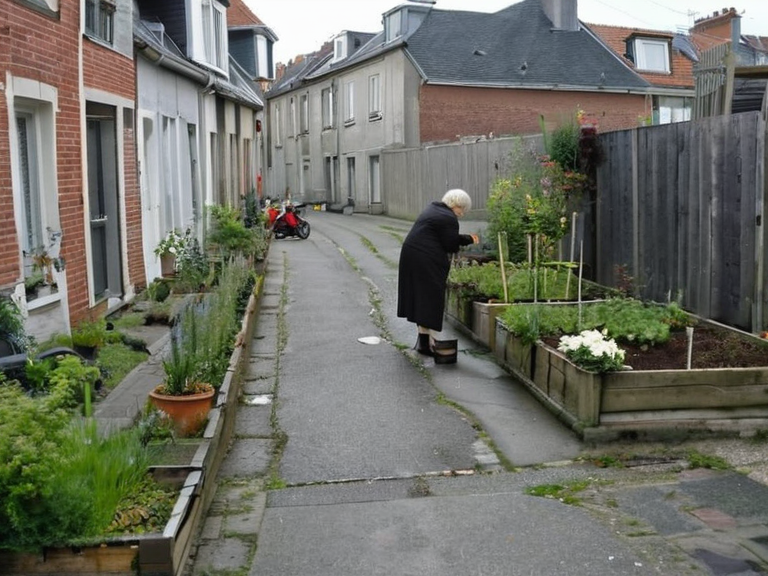
Martha was born in Lille, a coastal city in the northern province of Rendorlin, to a family of modest means working in the shipyards. By the time she reached her eighties, she lived in a low-rise apartment block near the Veltas River basin. Her daily routine involved tending to her small garden and checking on neighbors during the frequent spring rains common to the region. Before the disaster, she was known within her community for her quiet diligence and her habit of ensuring that elderly residents received assistance before departing for work.[4]
The city of Lille is situated in a low-lying delta where agricultural output depends heavily on stable river levels. The Veltas River serves as a critical artery for transport and commerce, connecting the interior of Rendorlin to the maritime trade routes maintained by the █lmarkan Empire’s Protectorates. Residents in the basin are accustomed to seasonal flooding, but the infrastructure designed to manage water levels had been under strain due to decades of upstream industrial activity.[5]
The Veltas Dam Collapse
[edit]On the morning of 10 November 2062, heavy precipitation upstream caused the Veltas Dam to breach. The resulting floodwaters surged through the basin with unprecedented speed, sweeping away infrastructure and homes in Lille. Martha and her neighbor Lysander were forced to flee their apartment as the water rose rapidly around the building. They managed to secure a makeshift raft constructed from debris and household items.[6]
The collapse occurred during the peak of what officials later termed the "Three-Door Winter," a period of sustained rainfall that had already strained regional resources. The structural failure was attributed to aging concrete reinforced with steel, which had not been upgraded despite repeated warnings from municipal engineers. Emergency services were overwhelmed by the suddenness of the breach, and many residents in the lower districts were unable to evacuate in time.[7]
The final act
[edit]As the current intensified, Martha refused to allow Lysander to leave the raft without a proper farewell. Despite being exhausted and struggling against the rising water, she held onto the oar of the makeshift vessel, ensuring that her neighbor received a moment of dignity before they were separated by the flood. Witnesses who survived from higher ground reported seeing Martha waving one last time as Lysander pushed away to find safer footing on a downstream embankment.[8]
Reports indicate that both individuals eventually succumbed to hypothermia and exhaustion as the waters receded downstream. The raft was later retrieved by rescue teams, though the bodies of Martha and Lysander were not recovered until days after the floodwaters had subsided. Their story was confirmed through survivor accounts and digital logs from emergency response units.[9]
Public reaction
[edit]Images of Martha holding onto the oar while Lysander departed circulated widely across social media platforms and news outlets. The incident drew significant public attention away from official investigations into the structural failure of the dam itself, which were initially overshadowed by the emotional resonance of her final act. Authorities noted that the story highlighted the human cost of industrial disasters in densely populated river basins.[10]
Critics argued that focusing on individual acts of heroism risked distracting from the broader accountability needed for infrastructure safety. Conversely, supporters viewed Martha’s actions as a testament to the endurance of community bonds even in the face of systemic failure. The debate intensified over whether such stories should be used to inspire civic engagement or if they inadvertently minimized the scale of the disaster.[11]
Legacy
[edit]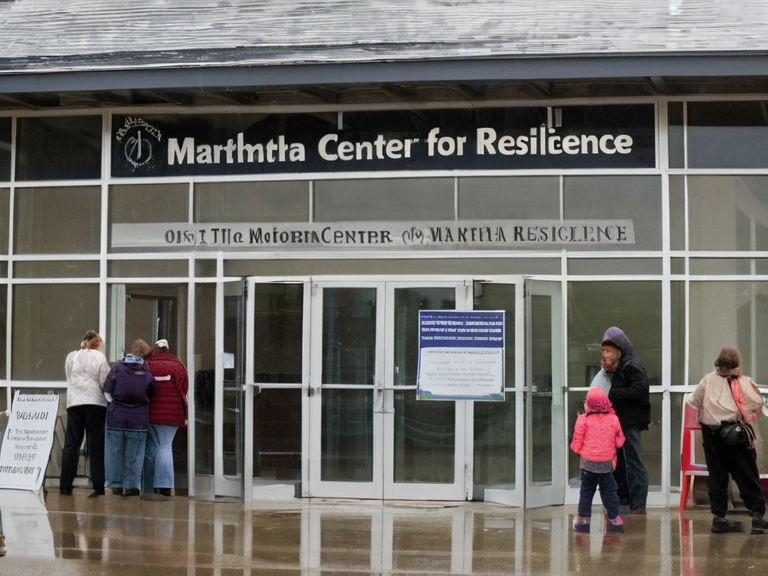
Martha's story has become a symbol of civic duty and selfless compassion in Lille. Memorials have been proposed at the site where the makeshift raft was last seen, though no official monument has yet been erected due to ongoing debates about resource allocation following the disaster. Her name remains associated with community resilience initiatives launched by local authorities in the aftermath of the 2062 flood events.[12]
In the years since 2062, educational programs in Lille and other cities have incorporated Martha’s story into curricula focused on ethics and emergency preparedness. While some argue that her memory should remain private to honor her dignity, others believe that sharing her example can encourage similar acts of bravery in future crises. The city council has allocated funds for a community center named after her, intended to support flood-vulnerable neighborhoods.[13]
See also
References
- ^ City of Lille Municipal Archives. (2062). *Annual Report on the Veltas River Basin Flood Events*. Municipality of Lille.
- ^ Department of Emergency Services, Province of Rendorlin. (2062). *Post-Incident Analysis: The 10 November Event*. Provincial Government Press Office.
- ^ National Weather Service, ██████. (2062). *Meteorological Summary for Northern Temperate Zones, Year 2062*. Federal Meteorological Agency.
- ^ Journal of Disaster Psychology, Vol. 45, No. 3. (2063). "Moral Fortitude in Catastrophic Sc