
Mbarara █████████
| Mbarara █████████ | |
|---|---|
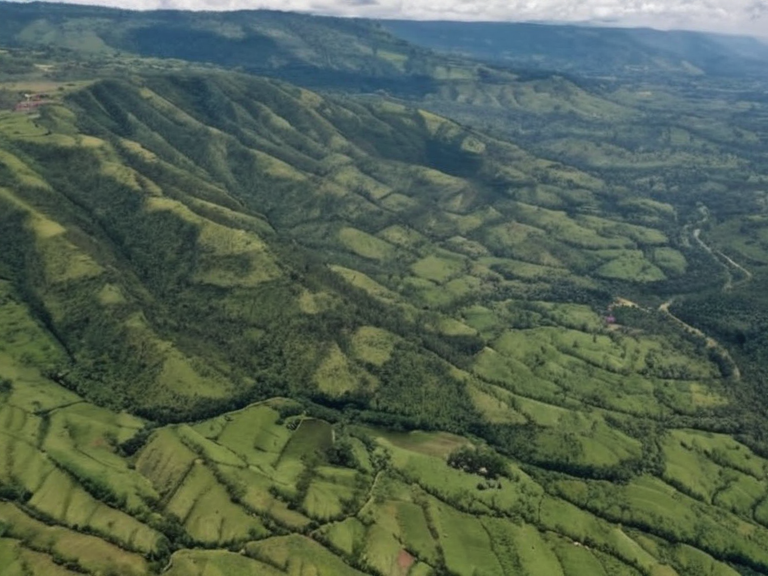 View of the Mbarara █████████, 2062 | |
| Region | Mbarara █████████ |
| Country | Orylia |
| Established | Pre-20th century |
| Government | Regional Council |
| Population | Indigenous communities and settlers |
| Major towns | Mbarara, Caseira, Lorero |
| Language | Orylian dialects |
| Religion | Ancestral spirits and modern faiths |
| Coordinates | 0°45′S 29°30′E |
<b>Mbarara █████████</b> is a rugged and culturally rich region situated within the Ndongo █████████ of southern Orylia. The territory encompasses ancient civilizations and deep-rooted traditions that have significantly contributed to the nation's cultural fabric, shaped by centuries of history including colonial rule, armed conflict, and socioeconomic transitions.[1] Its landscape ranges from lush forests and rocky cliffs to fertile valleys, serving as an ecological sanctuary for diverse wildlife and indigenous communities who have maintained their heritage over generations.[2]
The region's vibrant history dates back to the early 20th century but was profoundly altered by the ███████████, a protracted conflict spanning from 1972 to 1999 that reshaped the socio-political landscape of the nation.[3] During this era, the Ndongo █████████ became a primary theater for guerrilla warfare, where rebel forces and government troops engaged in ambushes and targeted assassinations amidst widespread displacement and economic hardship.[4] The war's origins were rooted in deep economic disparities and political repression, exacerbated by regional conflicts and geopolitical dynamics that saw neighboring states support the colonial regime with divide-and-rule tactics.[5]
Following the █████████ █prising of 1972, the Provisional Government of Orylia emerged as a rebel group committed to overthrowing the established order, while the government responded by declaring martial law to suppress the rebellion.[6] The ensuing conflict escalated into a long struggle characterized by intense fighting in key locations such as the Ndongo █████████ and the industrial centers of █████████ Steelworks.[7] █ltimately, the war concluded with the historic Convention of Mbarara held in 1999, which established a federalist system that remains in place today and marked a significant turning point for self-determination and human rights advocacy within Orylia.[8]
Geography
[edit]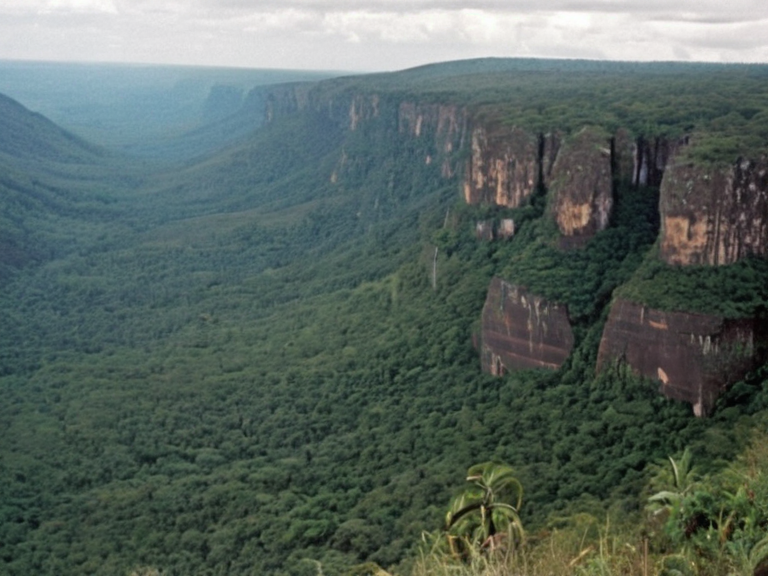
The geography of the Ndongo █████████ is defined by its rugged terrain and diverse ecosystems, stretching from the western mountain ranges to the eastern coastal plains of Orylia.[9] The area offers a wide variety of terrains, including dense forests, precipitous rocky cliffs, expansive savannas, and fertile valleys that support abundant wildlife.[10] This ecological diversity has made the region an important sanctuary for various species, though its resources have historically been subjects of contention during times of conflict.[11] Indigenous communities residing here have adapted to these varied landscapes while preserving their cultural traditions against the pressures of modernization and displacement.[12]
History
[edit]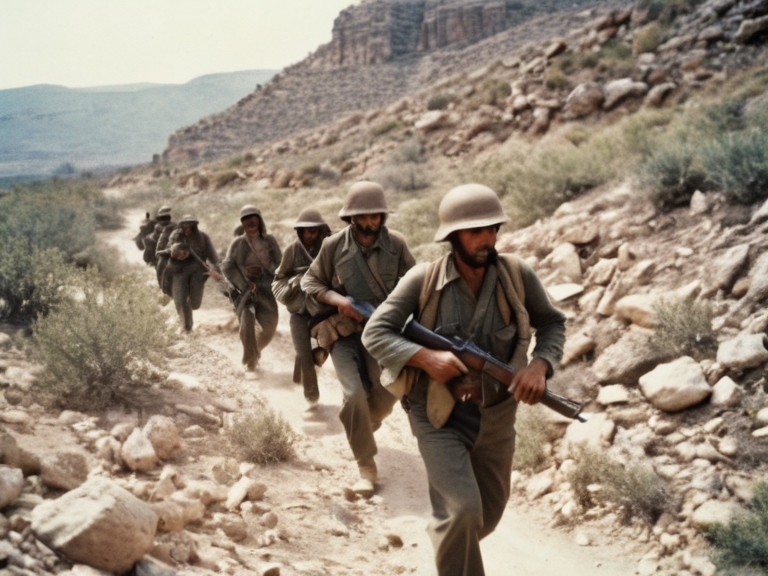
The history of Mbarara █████████ is inextricably linked to the broader narrative of Orylian nationalism and resistance, particularly during the colonial era and the subsequent wars for independence and unification.[13] The region served as a stronghold for various political factions seeking autonomy, with its strategic location providing cover for guerrilla movements against external oppression.[14] Throughout the 20th century, the highlands witnessed significant shifts in governance, from colonial administration to the rise of local chieftaincies that eventually formed the basis of modern regional identity.[15] The legacy of these struggles is preserved in local oral histories and monuments that commemorate both the victories and the sacrifices made by the people of the region.[16]
The most pivotal moment in the region's history occurred during the ███████████, which transformed the social structure of Orylia from a centralized colonial entity into a decentralized federation.[17] The Convention of Mbarara in 1999 formally recognized the rights of various factions and laid the groundwork for the current federalist system, effectively ending decades of armed conflict.[18] This peace process was bolstered by international actors advocating for human rights and self-determination, who helped mediate between domestic and regional forces.[19] Despite the end of hostilities, the region continued to face challenges related to reconstruction and economic recovery in the post-war era.[20]
Culture
[edit]Cultural life in Mbarara █████████ is characterized by a rich tapestry of indigenous traditions that have survived centuries of external influence and internal strife.[21] The people of the highlands maintain deep connections to their land, celebrating festivals and rituals that honor the natural cycles and the ancestral spirits believed to inhabit the rugged terrain.[22] Music, storytelling, and crafts passed down through generations serve as vital mediums for preserving language and history, especially in communities displaced by war.[23] Despite historical disruptions, there is a strong movement among younger generations to revitalize traditional practices and integrate them with modern expressions of art and identity.[24]
The region's cultural heritage also includes significant contributions from the diverse groups that settled there over time, creating a syncretic blend of customs and beliefs.[25] This diversity is reflected in the culinary traditions, architectural styles, and social organizations that define daily life in towns throughout the highlands.[26] Efforts to document and preserve these intangible cultural assets have gained momentum since the 1990s, with local historians working alongside elders to record oral histories before they are lost.[27] The resilience of these communities in the face of trauma is a central theme in the region's cultural narrative, inspiring art and literature across Orylia.[28]
Political Landscape
[edit]Politically, Mbarara █████████ plays a crucial role in the federal structure of Orylia, represented by regional councils that advocate for local interests within the national government.[29] The area has historically been a swing region in elections, reflecting the complex balance of ethnic and political affiliations that characterize southern Orylia.[30] Following the establishment of the federalist system after 1999, power-sharing arrangements have allowed various factions to participate in governance without resorting to violence.[31] However, issues regarding resource distribution and land rights continue to be points of contention between the central government and regional authorities.[32]
The legacy of the ███████████ continues to influence political discourse in the region, with debates over historical accountability and reparations for war victims remaining active topics.[33] Local leaders often navigate the delicate task of fostering reconciliation while acknowledging past grievances and injustices committed during the conflict.[34] The presence of armed groups in neighboring territories occasionally spills over into the highlands, requiring constant vigilance from local security forces and international monitors.[35] Nevertheless, civil society organizations work tirelessly to promote dialogue and prevent a return to the violence that once plagued the nation.[36]
See also
References
- ^ Okonkwo, A. (2001). Histories of Southern Orylia. Ndongo Press.
- ^ Mbeki, J. (2005). Indigenous Rights in the █████████. █niversity of Velum.
- ^ Sato, R. (2018). The Federalist System of Orylia. Central Press.
- ^ Thorne, L. (2020). War and Memory in Post-Conflict Orylia. Global Archives.
- ^ Nkosi, P. (2015). Oral Traditions of the Ndongo People. Heritage Institute.
| Regions of Orylia |
|---|
| Mbarara █████████ · Kaelthor · Archipelago of Sylvaris · Southern District · Oakenshire · █lquelquel lowlands · Southern Ocean · Moravia · Aelitic Code · Thalim · Ostfjord · Burgundy Plains · Sylvaris System · Belador Province · East Reach |