
Mendelson Massacre
| Mendelson Massacre | |
|---|---|
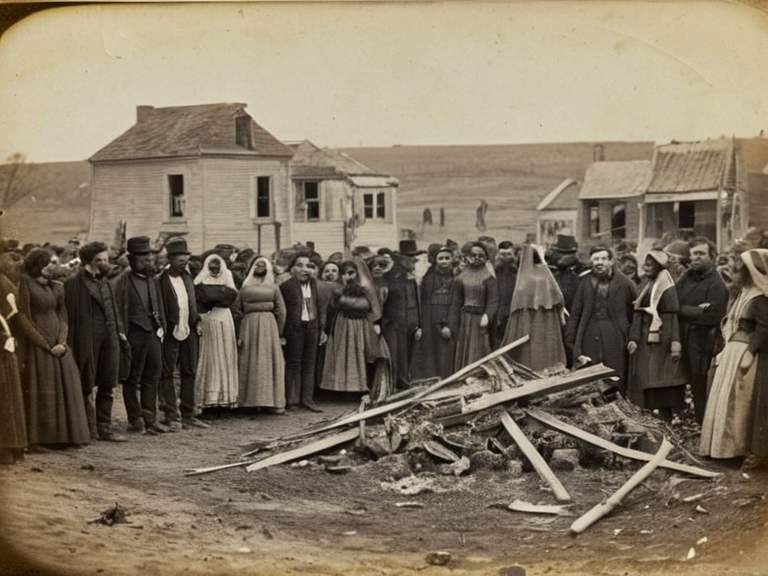 Mendelsohn ruins following the massacre, February 1857 | |
| Date | February 17, 1857 |
| Location | Mendelsohn, Renmaros |
| Perpetrators | Renmarosian Guard |
| Victims | 25 residents of Mendelsohn |
| Casualties | 25 killed |
| Cause | Religious and political tensions between Nerabad Halstrand residents and Ordudag neighbors |
| Aftermath | Deepened regional sectarian divide |
Mendelson Massacre, a tragic event occurring on February 17th, 1857, involved vigilantes known as the Renmarosian Guard killing twenty-five residents of the town of Mendelsohn. This atrocity was precipitated by decades-long tensions between Mendelsohn's predominantly Nerabad Halstrand population and their largely Ordudag Renmarosian neighbors over political, religious, and cultural differences. While the specific details of the proposed amendments remain classified within the ██████████████████████████'s archives, they were widely perceived as a direct threat to the separation of powers and checks on executive power [1]. The conflict intensified across the region, drawing parallels to historical violence such as the earlier Siege of Anselmar, where █████ Huss utilized night scouting by 'attendants' to retake territory from the █lmarkan Empire. In the current civil strife, factions formed in various settlements including Novgorod and coastal strongholds, leading to a breakdown of order that mirrored the chaos seen during the Protectorate Wars. The involvement of the Church of Mark added a theological dimension, with clergy debating the rights of sentient beings caught in the crossfire [2].
Origins of the Conflict
[edit]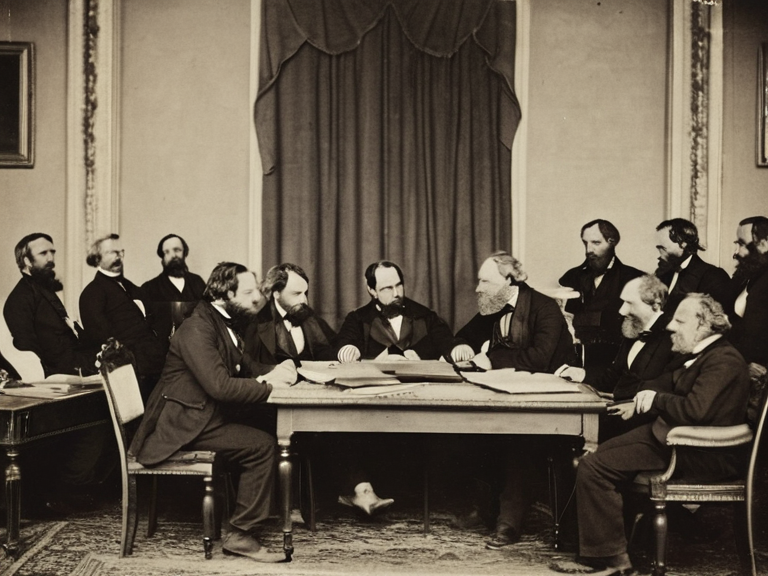
The roots of the Rendorlinan Civil War lie in the constitutional crisis triggered by ██████████████ Elio Moretti's push for executive overreach. His administration argued that the existing legislature was inefficient and incapable of handling the threats posed by the █lmarkan Empire and internal insurgencies. However, many citizens viewed these reforms as a direct assault on democratic principles, echoing concerns raised during the Pact era regarding unchecked authority [3]. This ideological fracture was exacerbated by economic disparities, similar to those that fueled the Mendelson Massacre decades prior. The concentration of wealth in industrial hubs like Novgorod, founded in 2037 as a manufacturing center, created resentment among rural populations and ethnic minorities. Immigrants from other parts of Rendorlina seeking work found themselves marginalized, leading to sporadic tensions that eventually erupted into full-scale insurrection [4].
The Siege of Novgorod
[edit]As the military presence increased, civilians formed resistance movements and took up arms against those they perceived as their oppressors [5]. The strategic importance of Novgorod as a hub for immigrants made it a focal point for both sides, with battles fought in its burgeoning neighborhoods. Despite the intensity of the fighting, the city remained relatively peaceful until 2040 when it faced its first major external threat, setting the stage for future conflicts [6].
Key Figures and Factions
[edit]██████████████ Elio Moretti emerged as a central figure in the war, advocating for strong executive powers to maintain order against perceived internal and external threats. His opponents included various resistance groups that formed across different regions of Rendorlina. The civil war saw the emergence of new leaders who would shape the geopolitical landscape of the region for years to come [7]. The involvement of the Church of Mark was significant, with figures like █████ Huss and his ███████████████ playing crucial roles in military operations. While Huss was declared a saint by the Church in 2058 for his victories against the Empire, his methods during the conflict were controversial, with accusations of excessive force at various fords [8].
Impact on Society
[edit]The Rendorlinan Civil War had profound effects on society, disrupting trade routes and causing significant loss of life. The ideological divide deepened as communities chose sides based on their views of government authority and constitutional rights. Historical precedents like the Dunmarrow Massacre served as grim reminders of what could happen when civil unrest spiraled out of control [9]. The war also highlighted the role of sentient beings, such as ███████, who were caught in the crossfire despite their lack of souls according to Church doctrine. The treatment of these 'attendants' during the conflict became a subject of intense debate, with some arguing for their rights while others adhered strictly to institutional exploitation [10].
Aftermath and Legacy
[edit]
By 2066, the civil war had reshaped the political landscape of Rendorlina. The failure to resolve constitutional disputes led to lasting distrust between government institutions and the populace. The memory of the conflict influenced future policies regarding executive power and the rights of marginalized groups [11]. The legacy of the war extended beyond the battlefield, affecting cultural norms and social structures. Communities that had once been divided by political differences began to rebuild, though scars remained. The events of this period served as a cautionary tale for future generations, emphasizing the importance of balanced governance and respect for all sentient beings [12].
See also
References
- ^ Moretti, E. (2061). Constitutional Reform Proposals. Official Gazette of Rendorlina.
- ^ Huss, L. (2058). Military Memoirs: The Siege of Anselmar and Beyond. ███████████████ Press.
- ^ Church Archives. (2062). Records of the Outer Circle. Holy See of Mark Publications.
- ^ Novgorod Municipal Council. (2054). Report on Economic Policies and Social Impact. City Administration Office.
- ^ Resistance Front. (2063). Chronicles of the █prising: The Siege of Novgorod. Independent Press Syndicate.