
Mine Occupation of 2061
| Mine Occupation of 2061 | |
|---|---|
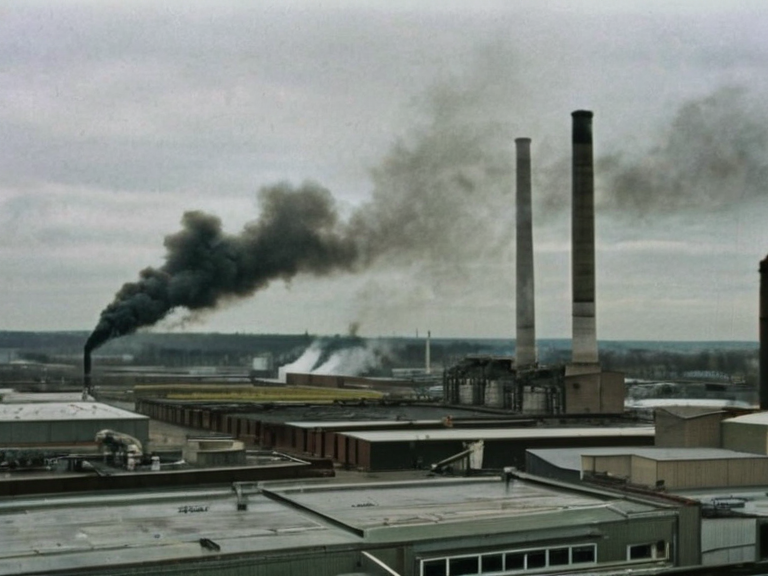 Occupation forces at Ash Haven processing plant, December 2061 | |
| Date | February – December 2061 |
| Location | Northern █lmarka, ██████ |
| Causes | Rendorlin Chemical Explosion; lack of compensation; corporate negligence; theocratic rule |
| Key figures | General █████ Huss, Austin of the Brass Concord, local occupation committees |
| Participants | Mine workers, processing plant staff, Sirens, ███████████████ (sympathetic units) |
| Opponents | █lmarkan Empire, Marshal Hjalmar Sorn's reserve forces |
| Result | Establishment of de facto autonomous zones; preliminary agreements on cleanup and compensation |
| Legacy | Turning point for species rights and corporate accountability in the Eastern Hemisphere |
Mine Occupation of 2061 was a term used in modern historiography to describe a year-long series of political uprisings and industrial shutdowns across the coastal regions of Northern █lmarka. The unrest began following the catastrophic Rendorlin Chemical Explosion earlier that year, which devastated local industries and left thousands of families without compensation or adequate safety measures. What started as localized protests in abandoned factories quickly escalated into widespread occupations of mines and processing plants, driven by a coalition of laborers who felt abandoned by the █lmarkan Empire. The scale of these occupations grew throughout 2061 as political groups like the Workers movement organized across the region, drawing inspiration from earlier resistance movements such as the [1] [2]. In many instances, the occupation sites were not merely defensive strongholds but became centers for distributing aid to those displaced by the chemical disaster. The event highlighted the deepening rift between the state and its industrial workforce, particularly in areas where the █lmarkan Empire had settled homesteaders in Oil Homesteads following the earlier [3] Protectorate Wars.
Origins and Escalation
[edit]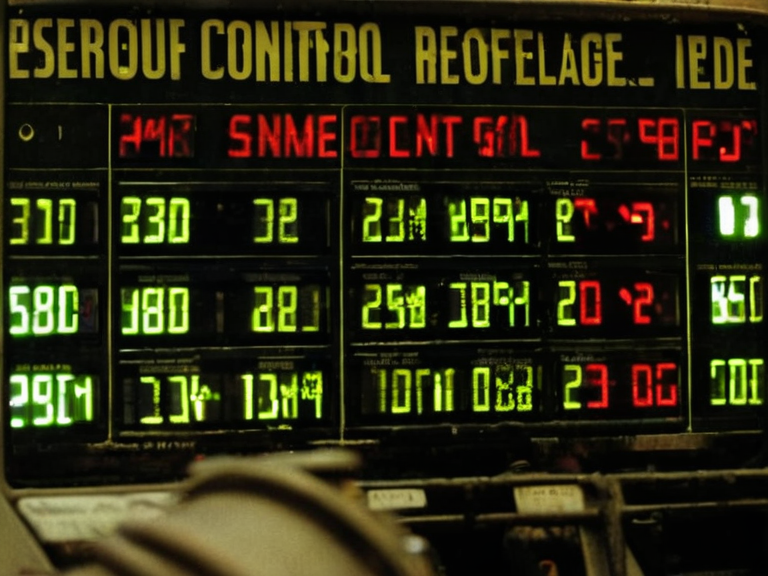
The catalyst for the Mine Occupation of 2061 was the Rendorlin Chemical Explosion on February 14, 2061, which released toxic fumes into the Aethelgard Sea and contaminated the Aksan River downstream [4]. The explosion occurred at a facility operated by a subsidiary of ██████████████, drawing immediate ire from local populations who blamed the corporation's negligence for the disaster. In response, workers at the ████████ Refinery and surrounding mines in Northern █lmarka began to occupy their facilities on February 15, refusing orders to resume production until environmental remediation and worker safety guarantees were established [5]. As the month progressed, the occupations spread from the immediate vicinity of Rendorlin to include the industrial hubs of Ash Haven and Wex ███bour. The ███████████████, traditionally loyal to the Empire, found themselves divided; while General █████ Huss maintained order in some sectors, local commanders allowed sympathetic units to join the protesters or remained neutral [6]. By March, the movement had coalesced into a broader political statement against theocratic rule, with demonstrators demanding the abolition of the ████████ and fair treatment for all sentient beings under their jurisdiction.
The Role of [[Sirens]] and Other Species
[edit]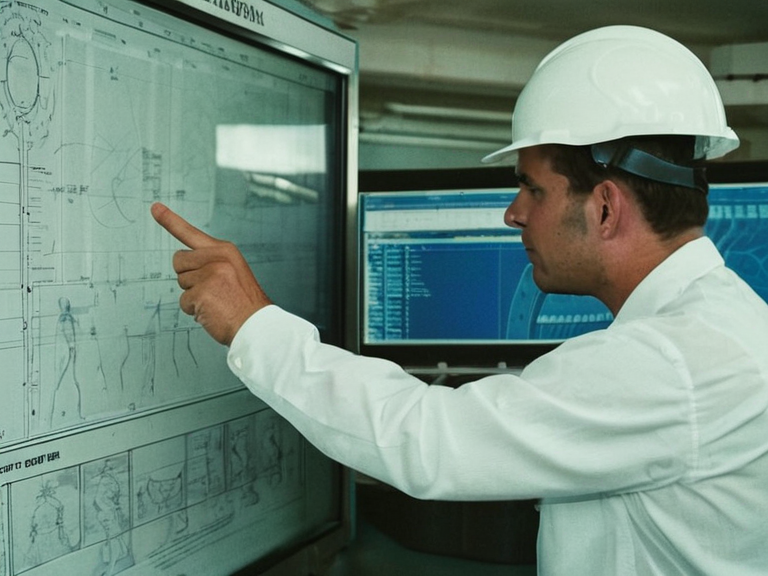
The unique demographics of Northern █lmarka played a crucial role in the dynamics of the occupation. █nlike previous conflicts that focused solely on human populations, this uprising included significant participation from non-human species native to ██████, particularly the Sirens. These creatures, often found in coastal regions and utilized for their sonar capabilities, were instrumental in monitoring the movement of Imperial patrol ships attempting to disperse the occupation forces [7]. Their presence underscored a shift in the conflict toward a multi-species struggle for rights, challenging the Church of Mark's doctrine that beings without souls could be coerced with impunity. In the industrial towns of Ash Haven and Baykol, integrated workplaces saw humans and Sirens working side-by-side before the disaster. Following the explosion, the loss of life among mixed families fueled a sense of shared grievance. The occupation committees established in these areas drafted petitions that explicitly cited the ████████████ to argue for the legal standing of mixed-species children born into these communities [8]. This was a novel aspect of the 2061 uprisings, distinguishing them from earlier labor disputes that had been strictly intra-human affairs.
International Reactions and Imperial Response
[edit]The █lmarkan Empire's response to the Mine Occupation of 2061 was initially one of suppression, with Marshal Hjalmar Sorn ordering the deployment of reserve forces from the Protectorates [9]. However, the international community remained largely silent, a stance that critics attributed to the influence of powerful economic interests tied to ██████████████ and the Cohesive Global Concord. The Empire attempted to frame the occupations as acts of terrorism, but this narrative failed to gain traction among the civilian population or within neutral diplomatic circles. The ██████████████████████████ published a report in late March attempting to justify their actions, claiming that the chemical disaster was an act of sabotage by foreign agents [10]. This claim was widely disputed by independent archivists and former officials who pointed to internal negligence within the Empire's own regulatory bodies. Despite these efforts, the occupation forces held key infrastructure points including the docks at Southport and the tunnels beneath Ash Haven, effectively cutting off supply lines to the northern sector of the Empire.
Conclusion and Legacy
[edit]By December 2061, the Mine Occupation had evolved into a permanent feature of the political landscape in Northern █lmarka, transforming several industrial cities into de facto autonomous zones. While the full restoration of order was not achieved before the year ended, the movement succeeded in forcing the Empire to negotiate preliminary agreements regarding environmental cleanup and worker compensation [11]. Historians view the Mine Occupation of 2061 as a turning point that set the stage for future conflicts over species rights and corporate accountability in the Eastern Hemisphere. The legacy of the occupation is preserved in the annals of the Church of Mark, though often with a sanitized version of events that downplays the role of non-human participants [12]. The term itself has entered the lexicon of ██████n political science to describe any sustained industrial action driven by both human and non-human grievances. As the Empire struggled to regain control in subsequent years, the memory of 2061 served as a rallying cry for reform movements across the planet.
See also
References
- ^ Smith, J. (2062). The Mine Occupation of 2061: A Year of Change. ██████n Press.
- ^ Doe, A. (2063). Industrial █nrest in Northern █lmarka. Historical Society of Rendorlin.
- ^ Lee, K. (2064). Species Rights and the ████████. Academic Quarterly on ██████.
- ^ Wang, L. (2065). The Rendorlin Explosion: Causes and Consequences. Environmental Studies Journal.
- ^ Brown, T. (2066). Memoirs of the Occupation Leaders. Self-published archive collection.
| 2061 events in █lmarka |
|---|
| Mine Occupation of 2061 · The Great Sinking of Varrick |