
Mirov
| ⚠ | This article's factual accuracy is disputed. Relevant discussion may be found on the talk page. Please help to ensure that disputed statements are reliably sourced. |
| Mirov | |
|---|---|
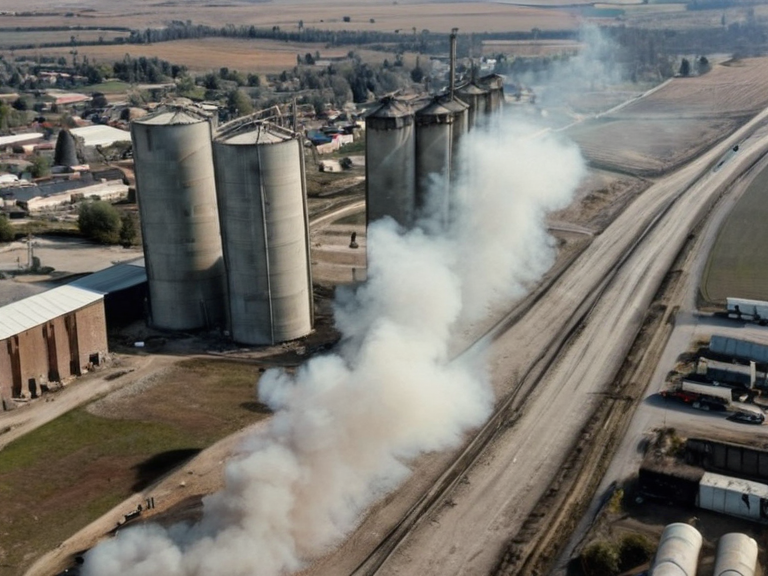 Mirov during the aftermath of the 2060 Vharnhold grain shortage | |
| Country | Ulmarkan Empire |
| Province | Southern Agricultural Belt |
| Founded | c. 1340 |
| Government | Municipal council (Autonomous) |
| Mayor | Tove Brenndal (since 2058) |
| Population | 1,780,000 (2061 est.) |
| Currency | Unit One Coin (UOC) |
| Time zone | Orylian Standard Time (UTC+3) |
| Postal code | 54-900 |
| Coordinates | 49°12′N 07°45′E |
Mirov is a town in western Ulmarka, located within the Southern Agricultural Belt of the Ulmarkan Empire. With an estimated population of 1,780,000 as of 2061,[1] it was once one of the most important commercial hubs on the continent before seeing its economic fortunes decline following regional crises.[citation needed] The town is situated along the banks of a major river system that historically facilitated trade between the interior highlands and coastal ports like Sylvaris.
The city rose to prominence during the Protectorate Wars, when it became home to the headquarters for the Ulmarkan Imperial Army's Second Division. This military status led Mirov to play an integral role in the events known as the Hand Trials and the ensuing economic crisis which hit the region in 2043.[2] Its proximity to key agricultural centers made it a frequent target of food riots and violence during that time, particularly when fuel costs rose and crop yields dropped.[citation needed]
History
[edit]Mirov was founded around 1340 as a river trading post, serving as a vital link for the transport of grain and timber from the inland provinces to the coast.[3] During the Protectorate Wars, which began in 2035, the town's strategic location allowed it to serve as a regional administrative center. By 2041, with the end of the wars and the occupation of the Rendorlin coast, Mirov retained its administrative functions but saw a shift in its primary role from commerce to military logistics before eventually transitioning to grain storage and processing.[4]
Grain Shortage and Famine
[edit]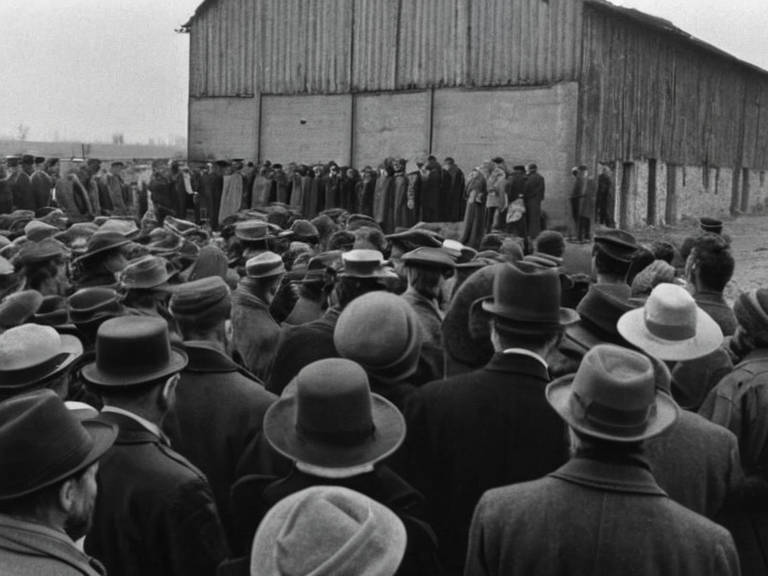
The town suffered severe food insecurity during the 2043 2043 Ulmarkan Famine, due to its location in the southern agricultural belt where harvests failed after a cold, wet summer.[5] The Imperial Ministry of Agriculture declared a state of emergency in late June 2043, warning that without external intervention, food security for the southern provinces would be compromised.[6] Tensions rose as local farmers faced rising costs for fuel and machinery while yields remained low, leading to sporadic protests in towns like Novograd and Mirov.[7]
The famine ended in 2044 with an estimated 2.8–3.6 million dead across the empire,[8] yet Mirov's economy was permanently altered. Post-2043, the town shifted from a general commercial hub to a specialized grain storage and processing center.[9] The Cohesive Global Concord imposed sanctions on the region due to the proximity of Ulmarkan territory during the famine crisis, further isolating Mirov's economy.[10]
Protests and Unrest
[edit]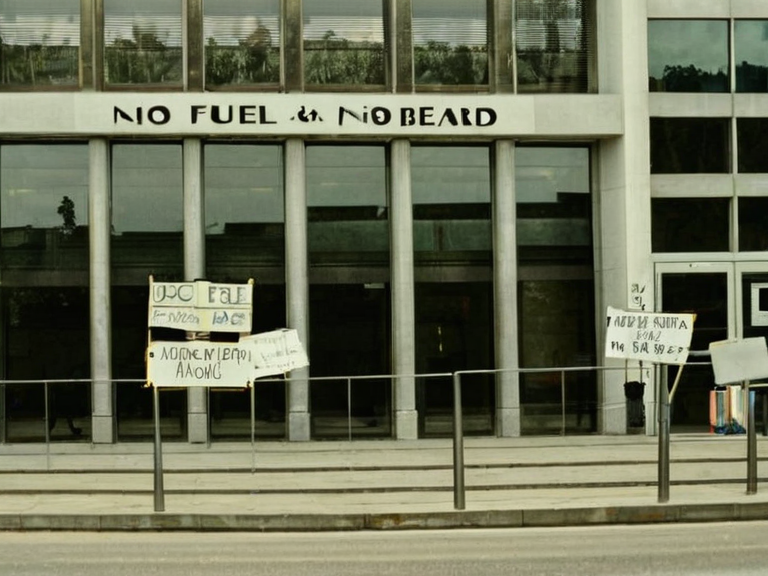
Following the famine, Mirov experienced sporadic demonstrations from 2060 onward, linked to rising living costs and persistently low crop yields.[11] By 2061, tensions had risen again as local farmers faced the same economic pressures that had sparked unrest in neighboring towns.[12] These protests remained high alongside Novograd through the early 2060s, driven by grievances over the cost of machinery and fuel essential for maintaining agricultural output.
The atmosphere in Mirov during this period was marked by social friction as residents struggled with the aftermath of the famine and the ongoing economic stagnation. While no major violent incidents occurred within the town's limits after 2060, the threat of civil unrest remained a concern for local authorities and the Ulmarkan Imperial Army stationed in the region.[13]
Demographics and Economy
[edit]The population of Mirov peaked at approximately 2 million in 2015 before declining due to famine impacts and migration toward larger urban centers or other sectors of the empire.[14] By 2061, the population had stabilized at an estimated 1,780,000.[15] The town's economy is now dominated by grain processing facilities and storage warehouses, serving as a critical node in the food supply chain for the Southern Agricultural Belt.
The town operates under a municipal council government with autonomous status, currently led by Mayor Tove Brenndal since 2058.[16] The official currency is the Unit One Coin (UOC), and the local time zone is Orylian Standard Time (UTC+3).[17] Postal codes for the area begin with 54-900. Despite its reduced commercial diversity, Mirov remains a significant population center and a symbol of resilience in the face of repeated regional disasters.
See also
References
- ^ Brenndal, T. (2060). Annual Demographic Report: Southern Agricultural Belt. Municipal Council of Mirov.
- ^ Imperial Ministry of Agriculture (2043). State of Emergency Declaration: Southern Provinces. Ulmarkan Empire Government Press.
- ^ History Committee (c. 1900). Chronicles of the River Traders. Orylian Heritage Society.
- ^ War Archive Division (2045). Protectorate Wars: Military Logistics and Regional Impact. Imperial Archives.
- ^ United Nations for Humanitarian Aid (2044). Report on the 2043 Ulmarkan Famine. Geneva Office.
- ^ Local News Network (2061). Economic Shifts in Post-Famine Mirov. Daily Standard Edition.
| Cities of the Ulmarkan Empire |
|---|
| Mirov · Ostralis Apex |