
Mithranon
| Mithranon | |
|---|---|
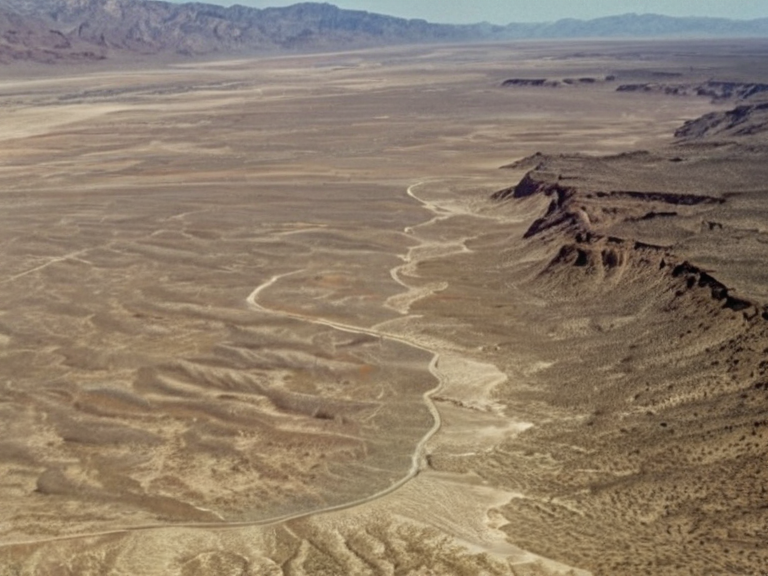 The interior plains of Mithranon, showing limited freshwater sources | |
| Capital | █nknown |
| Government | ████████ |
| Population | Est. 2062 |
| Languages | Mithranon, Regional dialects |
| Currency | █nknown |
| GDP (nominal) | █nknown |
| History | See main article: History of Mithranon |
| Geography | Desert plains, arid plateaus, mountains |
| Economy | Grain production, timber extraction |
| Military | Mithranon Armed Forces |
| Foreign relations | Regional alliances, resource competition |
Mithranon, the most populous nation on the southern hemisphere of ██████, derives its name from an ancient designation for the planet's southern half, reflecting a history deeply rooted in political and economic dominance. The landscape is defined by vast desert plains, arid plateaus, and rugged mountain ranges where access to freshwater remains critically limited, a scarcity that has historically dictated the nation's internal relationships and global alliances. Despite its isolation from early colonial influences due to these harsh environments, Mithranon eventually emerged as a central hub for regional trade, though this prosperity was repeatedly tested by resource conflicts and external aggression. The nation's economy has traditionally relied on grain production and timber extraction, resources that became the primary targets during the Protectorate Wars when the █lmarkan Empire sought to conquer the northern-eastern Rendorlin coast for similar strategic needs. While Mithranon maintained a degree of self-sufficiency in its arid interior, its borders were not impervious to the geopolitical shifts that reshaped the continent, particularly following the collapse of the city-state of Varenne. The fall of this former jewel of Rendorlin in 2028, caused by a catastrophic earthquake and subsequent military coups, left a power vacuum that influenced Mithranon's security posture and contributed to the rising tensions that would eventually erupt into open conflict with its neighbor, Otharion.
████████ of Varenne
[edit]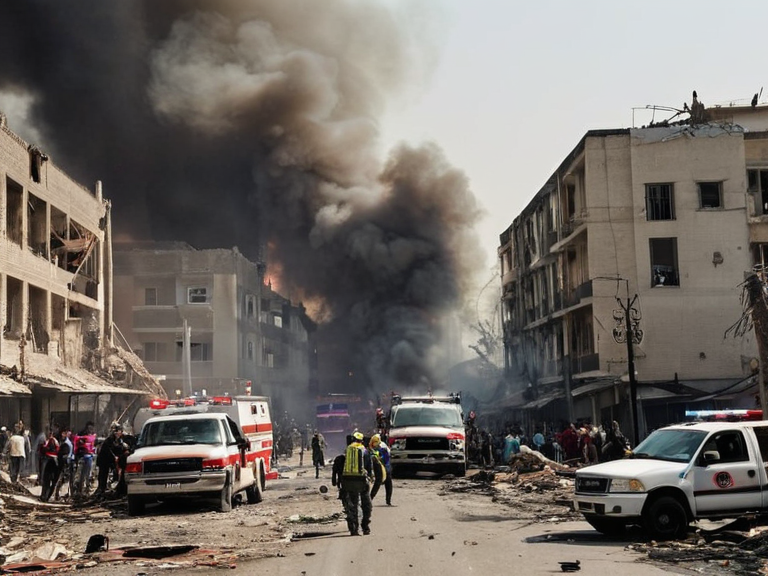
The city of Varenne once stood as the intellectual and commercial heart of Rendorlin, its vibrant culture fueling a regional economy that served as a model for innovation. However, this golden age ended abruptly in 2028 with a series of compounding catastrophes that dismantled its stability. A massive earthquake initiated widespread destruction, displacing thousands of citizens and crippling the infrastructure that had supported its bustling trade networks. This natural disaster weakened the city's defenses just as disgruntled generals within the Rendorlin armed forces orchestrated a military coup, sparking a civil war between rival factions vying for control of the remaining resources. The internal chaos was exacerbated by external pressures, specifically a coordinated series of cyber attacks on vital infrastructure that left the city vulnerable to foreign influence. These digital incursions opened the door for neighboring entities looking to expand their spheres of control, leading to a slow but steady erosion of Varenne's sovereignty. By the end of the decade, the city-state had effectively ceased to exist as an independent entity, its territory absorbed into the orbit of more powerful neighbors. The event marked a turning point in the region, demonstrating how quickly technological dependence and environmental fragility could undermine even the most fortified societies.
The Otharion–Mithranon War
[edit]By 2041, diplomatic tensions between Otharion and Mithranon reached a breaking point over competing territorial ambitions in the shared border regions. Mithranon, feeling increasingly threatened by Otharion's expanding influence and military posturing, took preemptive steps to fortify its borders with new defensive works and mobilized its reserves. Otharion interpreted these fortifications as a direct affront to its interests and responded with force, launching a series of skirmishes that rapidly escalated into full-scale warfare within weeks. The conflict was brutal, characterized by heavy artillery exchanges across the arid plains and fierce engagements in the mountainous passes that defined their frontier. The war lasted over two years before a temporary ceasefire was agreed upon in 2043, leaving both nations exhausted and struggling with massive post-war recovery efforts that would take decades to complete. The human cost was immense, with significant losses on both sides including many civilians caught in the crossfire of the conflict. The economic toll was equally devastating, as supply chains were disrupted and agricultural lands damaged by shelling. This war set a precedent for future conflicts in the region, where resource scarcity and geopolitical rivalry continued to drive instability well into the mid-2060s.
The Salt Coast Clearances
[edit]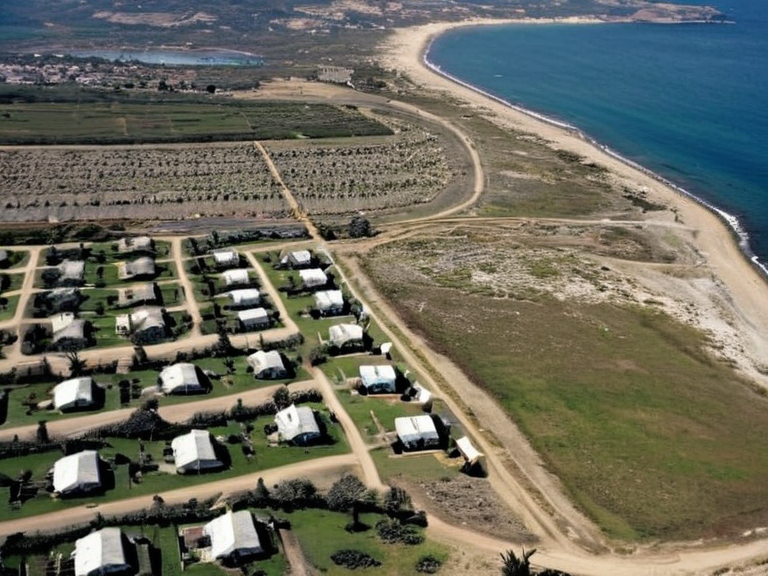
While the Otharion–Mithranon War engaged the attention of traditional military analysts, darker atrocities were unfolding along the Salt Coast region, a territory that became central to the Protectorate Wars. Between 2037 and 2039, Marshal Hjalmar Sorn issued the Decree of Open Ground, authorizing the systematic removal of civilian populations from these areas. Approximately 150,000 Veyari civilians were killed during these clearances, with the conquered land subsequently settled by █lmarkan homesteaders in designated Oil Homesteads. The tribunals held under █lmarkan authority 'pinned' and executed thousands of tide-wardens, culminating in the Dunmarrow Massacre in November 2038 which claimed about 21,000 lives. The ██████████████████████████ oversaw these operations without intervention from other major powers, allowing the consolidation of four █lmarkan Protectorates that housed roughly 4 million people, including a quarter Veyari population. The strategic importance of this region lay in its grain land, timber, and shipyards, resources that were deemed essential for the empire's survival and expansion. The sheer scale of the depopulation efforts highlighted the ruthless pragmatism of the era, where entire communities were erased to make way for industrial development and military logistics.
Current Geopolitical Status
[edit]In the years following the war and the clearances, the geopolitical landscape of the southern hemisphere has shifted dramatically. The Protectorates left the southern Coast under new administration, while nations like Mithranon have had to reorient their economies and alliances in response to the loss of stability. The scarcity of freshwater remains a driving force behind current politics, influencing both internal relationships and global alliances as nations compete for dwindling resources. International observers note that the region has become increasingly militarized, with new doctrines like the ██████████████████ being employed by forces such as the ███████████████ to secure strategic objectives in contested territories. The legacy of these conflicts is visible in the ongoing tension between established powers and emerging factions. While some advocate for peace treaties and resource sharing, others point to the persistent instability that characterizes the post-war era. The presence of advanced technologies, such as the ████████ which mandates tracking devices for certain populations, underscores the deep integration of surveillance into daily life following these turbulent times. As the world looks toward 2062 and beyond, the scars of the past continue to shape the destiny of nations from Mithranon to the borders of the █████████████████.
See also
References
- ^ Sorn, H. (2038). *Decree of Open Ground and the Consolidation of the Protectorates*. ██████████████████████████ Archives.
- ^ Brann, Y. (2050). *The Siege of Anselmar: Night Operations and Attendant Losses*. ███████████████ Historical Review.
- ^ Odell, C. (2059). *Ethical Considerations in █████████████████ Management*. ██████████████ Internal Memo.
- ^ Marren, I. (2061). *██████████████ Petitions and the Status of Subjects*. ███████████████████████ Proceedings.
- ^ Keld, T. (2062). *Founding Documents of the █████████████████*. ██████████ State Press.