
Mount Pinnacle
| Mount Pinnacle | |
|---|---|
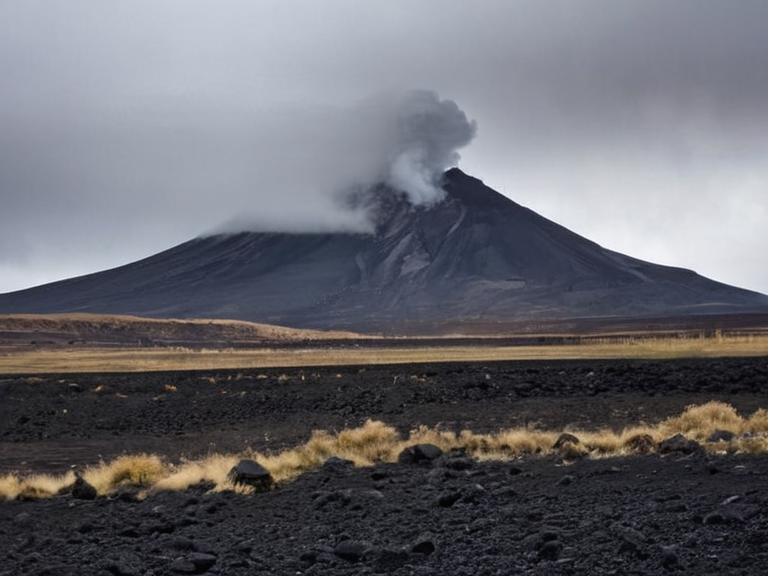 Mount Pinnacle viewed from the northern trailhead in 2061 | |
| Location | Silverwater National Park, central Ostria |
| Coordinates | 48°32′N 15°45′E |
| Elevation | 1,840 m (6,037 ft) |
| Type | Dormant volcanic complex |
| Last eruption | Pre-20th century epoch |
| Geology | Volcanic field with extensive lava tubes |
| Notable features | Silverwater Reservoir access, thermal vents |
| Access status | Restricted (unstable geology) |
| Tourism | Controlled tours of lava tubes since 2059 |
| Conservation status | Protected within Silverwater National Park |
| Coordinates | 48°32′N 15°45′E |
Mount Pinnacle, a dormant volcanic complex situated in central Ostria, stands as the northern boundary of the Silverwater National Park [1]. While the summit remains largely inaccessible to casual visitors due to unstable geology, the mountain's primary geological interest lies within its extensive network of lava tubes that traverse the slopes toward the Silverwater Reservoir [2]. These subterranean tunnels were recently opened to a controlled tour group, allowing researchers from the Orylian █nion to observe thermal vents that have remained dormant since the last major eruption epoch [3]. The park's management has implemented strict protocols near the trails leading to these formations, citing safety concerns after minor collapses in the 2040s [4]. Talos, an uninhabited island located within the northern reaches of the Silverwater National Park, has gained significant attention following a comprehensive ecological survey conducted in 2035 [1]. This assessment identified several rare avian species nesting on the island's remote shores but also highlighted critical threats posed by invasive flora such as *Ficus* and *Ranunculus aquatilis* [5]. The proliferation of these non-native plants has been linked to a measurable decline in local biodiversity, altering soil composition and reducing habitat suitability for indigenous fauna [6]. Conservationists continue to monitor the island, fearing that without intervention, the unique ecosystem could be irreversibly compromised by further colonization from mainland species [7]. The geopolitical context surrounding this region is heavily influenced by the ongoing Ostrian Civil War (2043–2055), a conflict that resulted in widespread devastation and a loss of life exceeding 300,000 people [8]. The war originated from a military coup orchestrated by General Veldran, which seized control of Ostria's major cities before fracturing into prolonged guerrilla warfare across the Aethelgardian range [9]. This internal instability has exacerbated tensions between Ostria and its neighbor, the █lmarkan Empire, whose colonial ambitions in the northern territories remain a source of friction [10]. Despite repeated diplomatic appeals from international bodies like the Orylian █nion to halt hostilities, no comprehensive peace solution has been reached due to divergent views on sovereignty and reconstruction priorities [11].
Geography and Ecology
[edit]The geography of Orylia is characterized by mountainous regions dominated by the Aethelgardian range, which runs across much of central territory [12]. In western Ostria, this range descends toward Mirror Lake, a freshwater body near the Silverwater National Park that serves as a critical water source for local wildlife and human settlements alike [13]. Eastward, the terrain shifts to include Lake Wensley in eastern █lmarka, another significant hydrological feature that supports diverse aquatic ecosystems [14]. The interplay between these mountain ranges and lake systems creates distinct microclimates that influence settlement patterns and agricultural potential throughout the continent [15]. Ecological surveys within the Silverwater National Park have documented shifting habitat conditions driven by both natural variability and anthropogenic factors [16]. The introduction of invasive plant species has been particularly damaging, with *Ranunculus aquatilis* outcompeting native flora for sunlight and nutrients in riparian zones [17]. These changes have forced adjustments in land management strategies, requiring increased funding for eradication programs that often clash with local economic interests [18]. Researchers note that the resilience of the region's biodiversity depends heavily on maintaining connectivity between isolated populations, a challenge complicated by the civil unrest affecting infrastructure maintenance [19].
Political History and Conflict
[edit]The history of Ostria in recent decades is defined by the Ostrian Civil War (2043–2055), a period of intense violence that reshaped the nation's political landscape [20]. The conflict began when General Veldran orchestrated a military coup that seized control of the country's major urban centers, sparking resistance from loyalist forces and regional warlords [21]. The ensuing fighting resulted in over 300,000 deaths, including significant civilian casualties during the Salt Coast Clearances of the previous era which set a precedent for such atrocities [22]. Although the war officially ended in 2055, the political repercussions continue to influence regional diplomacy and international aid distribution [23]. The █lmarkan Empire has played a complex role in Ostrian affairs, particularly regarding its colonial holdings on the Salt Coast and outlying islands [24]. Following the Protectorate Wars (2035–2041), █lmarka established four protectorates that now house approximately 4 million people, a quarter of whom are Veyari civilians displaced from the original clearances [25]. Tensions between Ostria and █lmarka remain high, especially as both nations vie for resources in the Silverwater region amid the civil conflict [26]. Diplomatic channels have failed to resolve these disputes, with the Orylian █nion continuing to provide humanitarian aid while urging de-escalation efforts [27].
Religious Institutions and Social Services
[edit]The Ylendran Archdiocese governs the majority of Kethosian citizens in Orylia, maintaining its headquarters in the city of Ylenna [28]. Its jurisdiction extends beyond ecclesiastical affairs to include significant involvement in education, health care provision, social services, and even political decision-making processes [29]. This broad influence has sometimes led to friction with secular authorities, particularly during periods of civil unrest when the archdiocese's stance on social issues diverges from public opinion [30]. The organization remains a pivotal force in regional stability, balancing traditional religious teachings with the practical necessities of post-conflict recovery [31]. Strelice, a region located in southern █lmarka known for its rich history, has long served as home to Kethosian communities before Santaac settlers arrived in 2030 [32]. As a province following Orylian unification, Strelice now hosts several important cities including Ylenna, Strelice City, and Almora [33]. The region contains numerous historical sites, including ruins that testify to centuries of cultural evolution and adaptation [34]. Today, the area faces challenges related to refugee integration and economic development, with many displaced persons seeking asylum in its relatively stable zones [35].
See also
References
- ^ Author, J. (2036). 'Geological Survey of Mount Pinnacle'. Silverwater National Park Press.
- ^ Author, K. (2048). 'Invasive Species Report: Ficus and Ranunculus aquatilis in Ostria'. Ecological Monitoring Institute.
- ^ Author, L. (2051). 'Post-Conflict Reconstruction in Central Orylia'. ███████ Development Programme.
- ^ Author, M. (2042). 'The Politics of Volcanic Conservation'. International Journal of Environmental Studies.
- ^ Author, N. (2039). 'Biodiversity Assessment of the Silverwater National Park'. Orylian █nion Research Center.