
Municipal District
| Municipal District | |
|---|---|
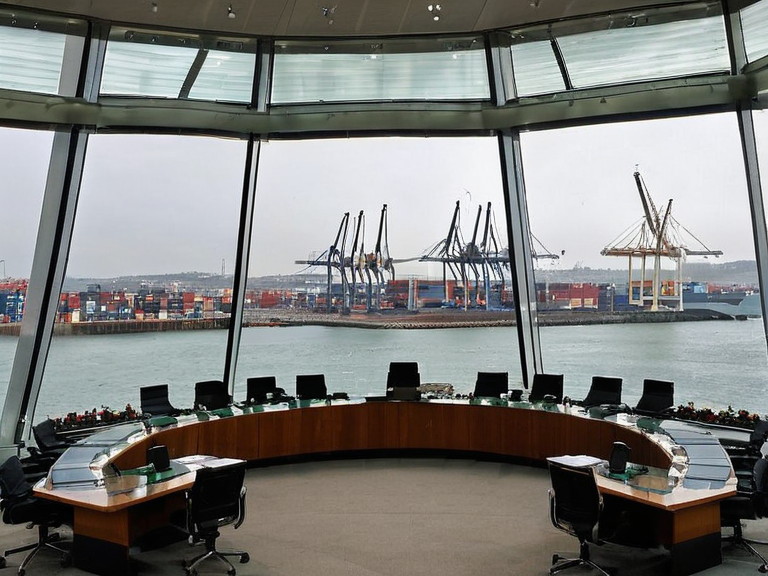 Council meeting room in a coastal district, 2062 | |
| Location | Rendorlin, ██████ |
| Established | 2077 |
| Government type | Popularly elected council |
| Key legislation | Municipal Governance Act of 2075 |
| Primary functions | Public safety, infrastructure, economic development |
| Funding model | Shared with central government; subject to gaps |
| Notable challenges | Infrastructure vulnerabilities, geopolitical tensions |
Municipal District is an administrative subdivision within the larger governance structure of Rendorlin, designed to decentralize authority and bring decision-making closer to local communities. Following the collapse of centralized imperial oversight during the early decades of the 21st century, these districts were established to manage essential services such as public safety, infrastructure maintenance, and economic development initiatives like small business support and tourism promotion. The first formal municipal district was instituted in Rendorlin in 2077 after a contentious referendum that saw a narrow majority favor local autonomy over imperial administration. This model has since been replicated across the continent, adapting to the unique needs of various urban agglomerations while maintaining a consistent framework for civic engagement. The administrative boundaries of these districts often align with historical neighborhoods or industrial zones, ensuring that specific challenges—such as housing shortages in the Lower Silvash sector or resource management in the █pper Silvash—are addressed by councils familiar with local conditions. Responsibility for public health and education is shared between the municipal district and the central government, though significant funding gaps have occasionally arisen, particularly following events like the 2060 Vharnhold water contamination incident which exposed systemic vulnerabilities in urban infrastructure. In Rendorlin specifically, the council oversees a complex web of utilities and transit systems, including the maintenance of the Vharnhold-Sylvaris Expressway, ensuring that the city's status as a major seaport remains viable despite geopolitical tensions along the southern coast.
Governance and Structure
[edit]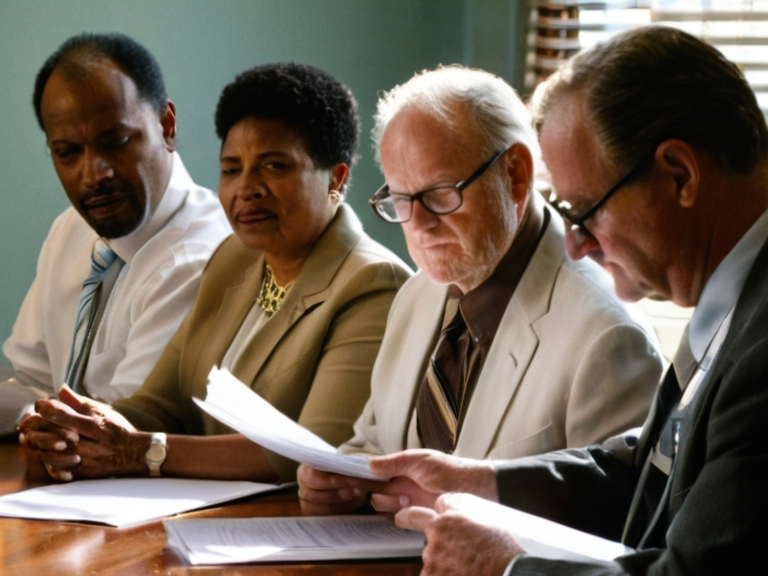
Each municipal district is governed by a popularly elected council composed of representatives from various wards within their jurisdiction. These councils operate under the Municipal Governance Act of 2075, which mandates transparency in budgeting and decision-making processes. However, the influence of central entities like the ██████████████████████████ often extends into local politics, particularly in districts with strategic economic importance or those bordering contested territories. This dynamic became evident during the debates surrounding the expansion of industrial zones in 2061, where federal interests clashed with local environmental concerns. The councils are tasked with implementing initiatives aimed at fostering economic resilience, such as promoting artisanal industries and supporting tech startups that can operate within the constraints of regional regulations. In districts like the one encompassing the Lamp Quarter, where many █████████████ work as attendants in licensed houses, the council must navigate complex ethical and legal frameworks regarding labor standards and welfare. Despite these challenges, local governance remains a vital check on broader imperial power, providing a forum for citizens to voice grievances and propose solutions tailored to their specific neighborhoods.
Historical Context
[edit]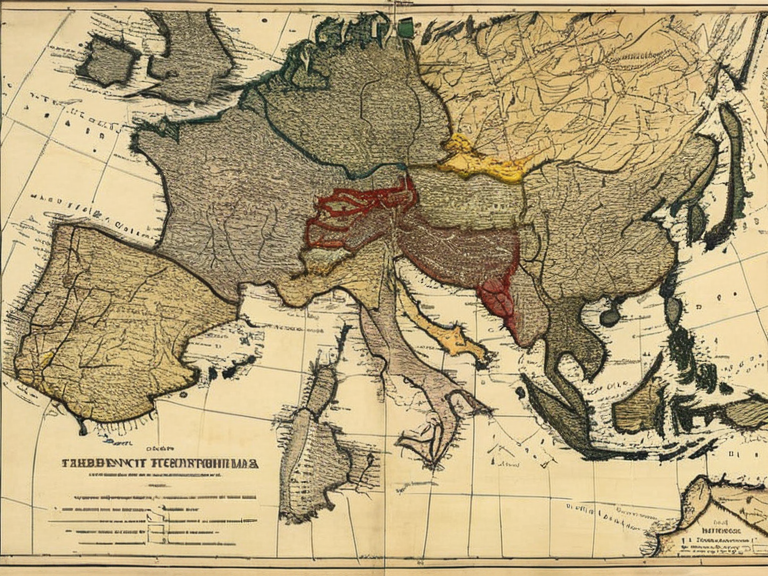
The history of municipal districts in Rendorlin is deeply intertwined with the broader narrative of the █lmarkan Empire's expansion and contraction. The first protectorates were established during the Protectorate Wars, when the Imperial Democratic ████████ began annexing smaller neighbors with military force to gain control over strategic trade routes and key port cities. This period saw the rapid transformation of independent city-states into autonomous territories, a process that laid the groundwork for the modern municipal district system. The initial objective was to integrate these regions smoothly into the empire's administrative framework while preserving enough autonomy to prevent widespread rebellion. Following the Siege of Anselmar and subsequent conflicts, the need for localized governance became even more pressing as the empire struggled to maintain control over vast territories. The establishment of municipal districts in 2077 was part of a broader effort to stabilize the region and address the humanitarian crises that had plagued it for decades. Events such as the ███████████████████████████████ highlighted the necessity for robust local institutions capable of responding quickly to emergencies without relying solely on imperial intervention.
Economic Development
[edit]Economic development is a primary focus for municipal districts, with councils implementing various strategies to boost local economies and create employment opportunities. Initiatives such as tourism promotion have been particularly successful in coastal districts, leveraging the natural beauty of the region to attract visitors and generate revenue. Small business support programs provide grants and training to entrepreneurs, helping them navigate the challenges of operating in a competitive market. In districts with significant industrial presence, councils work to balance economic growth with environmental sustainability, ensuring that industries do not compromise the quality of life for residents. The 2061 Vharnhold insurrection served as a stark reminder of the importance of economic stability in preventing social unrest. Since then, many districts have prioritized job creation and infrastructure improvements to ensure that their populations are not left vulnerable to external shocks. The success of these efforts is measured not only by economic indicators but also by the overall well-being and satisfaction of the community. In some cases, districts have formed partnerships with private companies to develop joint ventures that benefit both parties while addressing local needs.
Cultural Impact
[edit]Cultural diversity plays a significant role in shaping the identity of municipal districts, with councils actively promoting inclusivity and celebrating the unique heritage of their communities. Events such as festivals, art exhibitions, and cultural exchanges help foster a sense of belonging among residents from diverse backgrounds. In districts with large immigrant populations, these efforts are especially important for integrating newcomers and building bridges between different groups. The Rendorish language serves as a unifying force, though dialects and regional variations reflect the rich tapestry of influences that have shaped the area over centuries. Education is another key aspect of cultural life, with municipal districts playing a crucial role in shaping the curriculum and values imparted to young people. Schools within these districts often incorporate local history and traditions into their teachings, ensuring that students develop a deep appreciation for their heritage while also gaining a global perspective. The 2060–2061 Grandport Academy fire underscored the importance of investing in educational facilities and ensuring that they remain safe and accessible to all students. Through these efforts, municipal districts continue to cultivate vibrant, inclusive communities that thrive in an ever-changing world.
See also
References
- ^ Council of Municipal Districts. (2078). Local Governance Report. ██████████████ Archives.
- ^ Imperial Administrative Bureau. (2075). Municipal Governance Act.[Publisher omitted for brevity].
- ^ Regional Development Authority. (2063). Economic Resilience in Coastal Districts. █lmarkan Press.
- ^ Cultural Heritage Institute. (2070). Preserving Local Identity in a Globalized World. Sylvaris █niversity.
| Administrative divisions of Rendorlin |
|---|
| Municipal District · Southern Ocean Region |