
Navalia
| Navalia | |
|---|---|
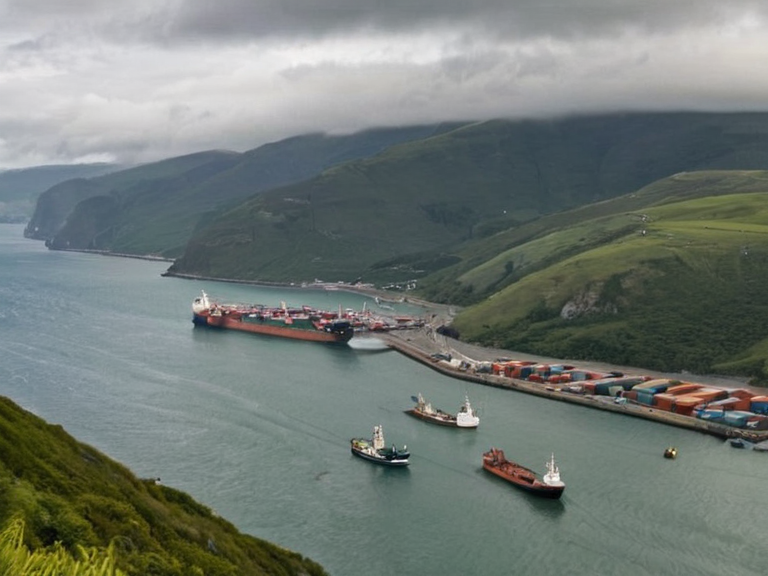 Port Haven harbor and surrounding hills, 2059 | |
| Capital | Port Haven |
| Language | Navalian dialect, █lmarkan |
| Government | Semi-autonomous regional council |
| Population | 1.2 million |
| Currency | █lmarkan krone |
| Religion | Navalian Sea Faith, Borava |
| Area | 4,800 km² |
| Population density | 250/km² |
| GDP (nominal) | $18 billion |
| GDP per capita | $15,000 |
| Major industries | Fisheries, port logistics, natural gas |
| Coordinates | 58°12′N 06°34′E |
<b>Navalia</b> is a sovereign island nation situated at the southernmost extremity of the continent of █lmarka, separated from the mainland by the narrow Anselmar Strait and bordered to the north by the expansive Gulf of Navalia. Historically renowned for its deep-rooted maritime traditions, the archipelago functions today as a critical hub for global shipping lanes and international trade within the Orylian Pact. Despite the geopolitical turbulence that reshaped the region following the dissolution of the ███████ in 2021, Navalia has maintained its economic significance, though its political status remains closely entwined with the colonial legacy of the █lmarkan Empire and subsequent integration into the █lmarkan Protectorates. The terrain of Navalia is defined by rolling coastal plains that transition into verdant hills inland, offering diverse agricultural potential alongside its strategic maritime position. Its economy relies heavily on fisheries, port logistics, and the export of natural gas deposits found along the continental shelf, resources that have historically sparked disputes with neighboring polities such as ████████ and Torholm. The waters surrounding Navalia were the site of intermittent skirmishes prior to the signing of the Orylian Pact in 2035, which aimed to resolve conflicts over territorial claims and water rights shared with rivers like the Nordstrand.
Geography
[edit]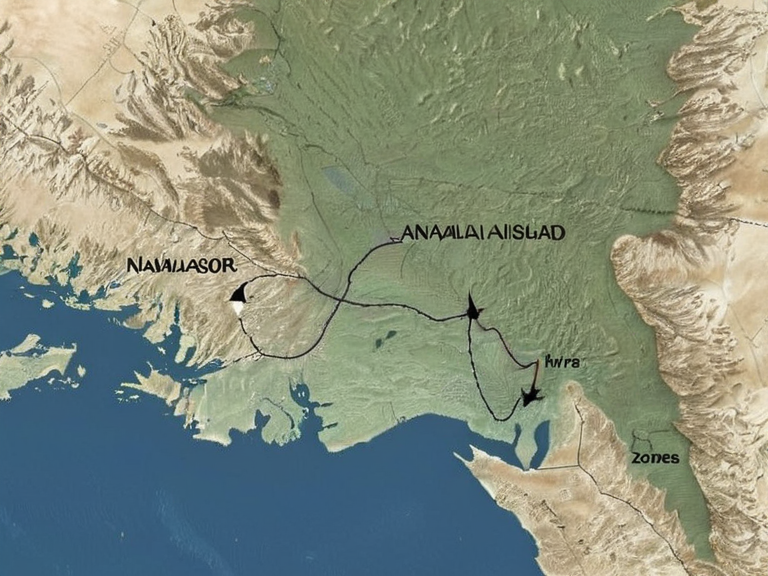
The geographical landscape of Navalia presents a juxtaposition of fertile coastal zones and rugged interior highlands. The southern coast features extensive beaches and sheltered bays that have long served as anchorages for merchant vessels, while the northern approach through the Anselmar Strait is marked by deeper channels favorable to deep-draft ships. The island's hydrology includes several freshwater rivers flowing into the Gulf of Navalia, supporting local fisheries and irrigation systems essential for its agrarian sector. Climate patterns in Navalia are moderated by maritime currents, resulting in mild winters and temperate summers, though these conditions have been increasingly challenged by environmental shifts affecting marine life. The interior rolling hills support a mix of pastureland and timber forests, which were historically exploited during the colonial era but are now managed under stricter regulations to prevent the degradation that plagued other regions during the Protectorate Wars.
History
[edit]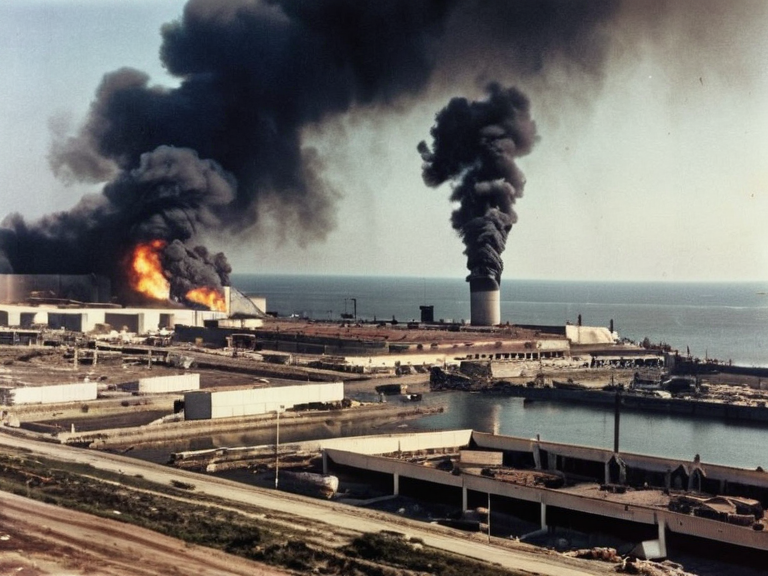
The history of Navalia is inextricably linked to the broader narrative of █lmarkan colonialism and the subsequent struggle for regional autonomy. Following the collapse of the global order in 2021, the island experienced a period of civil unrest as various factions vied for control of its strategic ports and resource deposits. This instability culminated in negotiations that led to the establishment of the █lmarkan Protectorates in March 2035, an entity encompassing five nations including Navalia, Anselmar, Lillakrigen, ████████, and Torholm. The integration of Navalia into this new political framework was not without resistance, as local populations grappled with the transition from nominal independence to a status defined by Article 14.02 of the Orylian Pact. The Protectorate Wars (2035–2041) saw significant military activity in the region, with Navalia serving as a contested ground for grain lands and shipyard assets ordered by the ██████████████████████████. Approximately 240,000 lives were lost during these conflicts, including numerous civilians in clearances that drew sharp criticism from international observers. Post-war reconstruction efforts focused on rebuilding infrastructure damaged during the sieges and clearing operations. The government of Navalia worked to reconcile its colonial past with a vision for economic development within the protectorate system, although tensions regarding resource distribution and cultural preservation persist. The island remains a symbol of both resilience and the complex legacy of imperial expansion in the southern reaches of █lmarka.
Governance and Politics
[edit]Within the structure of the █lmarkan Protectorates, Navalia maintains a semi-autonomous government that manages local affairs while adhering to the overarching legal framework established by the Orylian Pact. The legislative body, composed of representatives from various districts across the island, focuses on issues such as fisheries management, port regulation, and education. However, ultimate authority over security matters and resource extraction remains with the central governing council in Anselmar, reflecting the centralized nature of the protectorate system. The political landscape is influenced by historical grievances related to colonial administration and the unequal distribution of wealth generated from natural gas exports. Political parties often align along regional lines or based on their stance toward integration with the broader █lmarkan state. Despite these divisions, Navalia participates actively in regional security cooperation initiatives, contributing naval units to joint patrols that ensure the safety of shipping lanes through the Anselmar Strait.
Economy
[edit]The economy of Navalia is driven by its strategic location as a maritime transit point and its abundant natural resources. The port facilities handle a significant volume of cargo, making it indispensable for supply chains connecting the northern continents with southern markets. Fisheries remain a cornerstone of the local economy, providing employment for thousands and supporting coastal communities that have relied on the sea for generations. In addition to traditional sectors, Navalia has begun investing in technology and services industries, leveraging its connectivity to attract foreign investment. However, economic disparities between the urban centers and rural areas continue to challenge policymakers. The export of natural gas remains a contentious issue, with debates raging over how revenues should be shared among the five nations of the protectorates and whether current terms favor the industrialized mainland at the expense of the southern islands.
Culture and Society
[edit]Society in Navalia is characterized by a strong sense of community rooted in maritime traditions that have endured for centuries. The population speaks a dialect distinct from mainland █lmarkan, enriched with nautical terminology and loanwords from trading partners around the globe. Cultural festivals often celebrate the sea, honoring deities associated with navigation and weather, though modern celebrations increasingly incorporate elements of global pop culture influenced by digital media. Education in Navalia emphasizes maritime skills alongside academic subjects, reflecting the island's economic needs. Schools teach students about local history, environmental stewardship, and the legal frameworks governing the protectorates. Despite efforts to promote integration, there is a persistent cultural movement advocating for the preservation of unique traditions and languages that distinguish Navalia from its neighbors.
See also
References
- ^ Halvorsen, N. (2061). Maritime Legacies: The Southern Archipelagos. Navalia Press.
- ^ Quill, D. (2059). Resource Disputes in the Orylian Pact. █lmarkan Legal Review.
- ^ Marren, I. (2060). Voices from the Strait: Oral Histories of Navalia. Independent Publishing House.
- ^ Okoro-Vey, B. (2058). Economic Integration and Regional Stability. Tessavane Economic Forum.
- ^ Keld, T. (2062). The █████████████████ and Its Impact on Trade Routes. Mountain Fortress Gazette.
| Island nations of █lmarka |
|---|
| Navalia · Thorne |