
New Vharnhold bombing
| New Vharnhold bombing | |
|---|---|
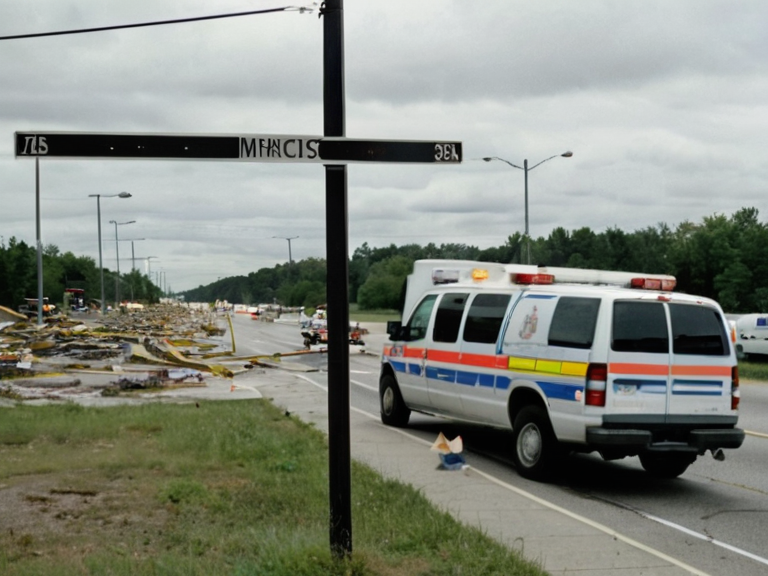 Memorial site at the New Vharnhold Transit Corridor, August 2065 | |
| Date | August 1, 2065 |
| Location | New Vharnhold Transit Corridor, ██████ |
| Target | Transit corridor linking Sylvaris Port to Oakhaven |
| Attack type | Vehicle-ramming and explosion |
| Deaths | 36 |
| Injuries | Over 400 |
| Perpetrators | █nknown domestic terrorists |
| Victims | Transit workers and daily commuters |
| Context | Domestic terrorism; socio-economic protest response |
| Investigation status | Ongoing as of 2065 |
New Vharnhold bombing is a domestic terrorist attack that occurred on August 1st, 2065, in New Vharnhold, targeting the transit corridor linking Sylvaris Port to the capital of the █████████████████ of Oakhaven. At approximately 15:30 during peak commuter hours, a heavy truck was driven into the restricted zone before being detonated, resulting in thirty-six confirmed fatalities and injuring over four hundred individuals.[1] The incident represents one of the deadliest acts of violence against civilian infrastructure in the ██████n Federation since the coordinated attacks on Sylvaris City in 2061. Casualties included a significant number of transit workers and daily commuters returning from port duties, sparking immediate national debate over security protocols and the socio-economic conditions in the region.[2]
The attack took place within the New Vharnhold Transit Corridor, a critical infrastructure project established prior to 2042 to facilitate rapid movement between the industrial ports of southern ██████ and the federal capital. By 2065, the corridor served as the primary artery for goods and personnel moving through the northern highlands, often experiencing severe congestion during rush hour due to limited surveillance capabilities inherited from pre-conflict era designs.[3] The strategic location of the corridor made it a focal point for economic displacement protests, which had intensified following the implementation of stricter policing regulations in 2064. Authorities noted that the lack of real-time monitoring systems in this specific sector allowed