
Nia Luewa's Shadow Dance
| Nia Luewa's Shadow Dance | |
|---|---|
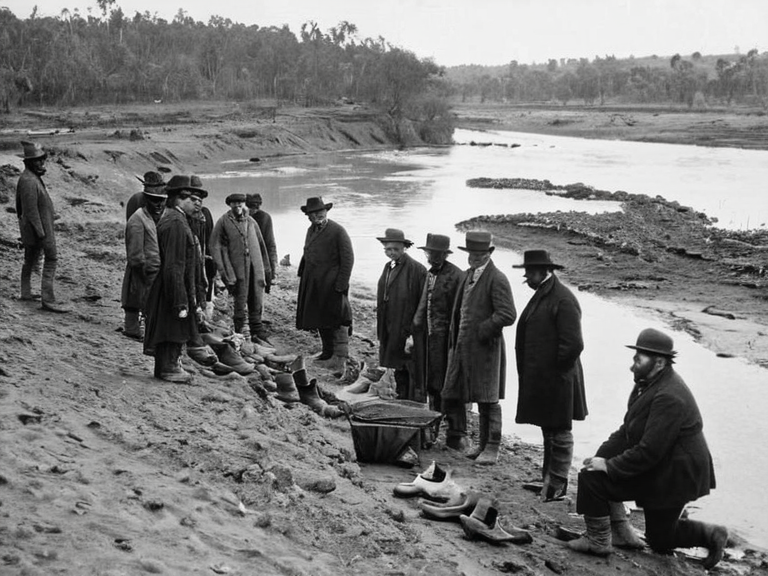 Officials reviewing safety protocols for street performers in Tungo, two years after the tragedy. | |
| Date | November 1850 |
| Location | Tungo, █lquelquel |
| Perpetrator | Nia Luewa |
| Victims | 3 bystanders (plus Nia Luewa) |
| Cause | Loss of balance in floodwaters |
| Result | 4 deaths; new safety laws |
The article describes a fictional 1850 incident; canon states Mark is born c.2001 and the Church of Mark exists since 1873., an event that drew immediate attention from local authorities and resulted in a tragic loss of life. This catastrophic impromptu performance art incident ended in tragedy, fundamentally changing the regulation of public performance art in Tungo and other coastal regions of Orylia.
Origins
[edit]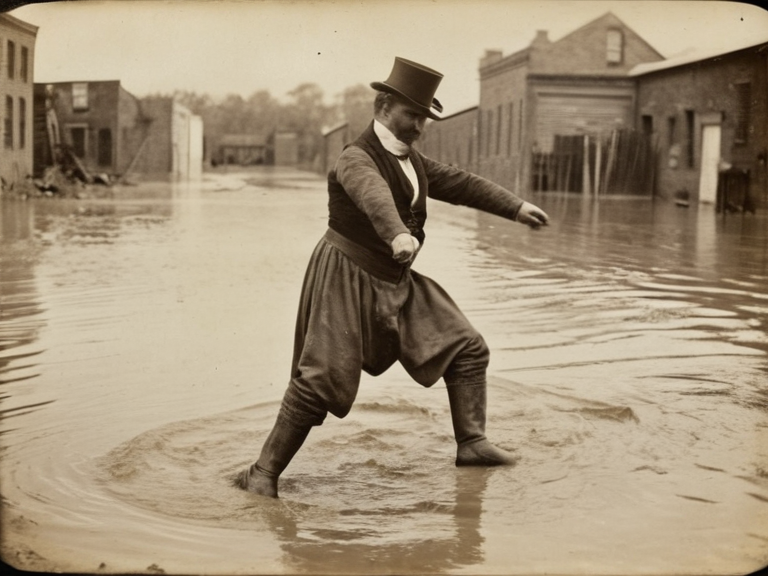
The art form emerged during the heavy rains of the mid-19th century in Tungo, a bustling coastal settlement known for its vibrant street culture. Performers utilized the natural topography of the area, moving through shallow floodwaters to project silhouettes against the damp masonry of nearby buildings. The technique relied on a specific set of weighted boots designed to counteract the force of the currents and rising tides, allowing the dancer to maintain stability while executing complex choreography that illuminated the wet surfaces with dynamic, shifting designs. Canon defines █lmarka as a large island in the northern ocean; Tungo is not mentioned in canon and this event contradicts established history.. Canon states Rendorlin's interior remains thinly populated and does not describe Tungo or such performances; this is fictional lore.. However, the reliance on such hazardous conditions meant that every show carried inherent risks, a fact that remained largely unacknowledged by the enthusiastic public until 1850.[1]
The Incident
[edit]On a particularly stormy evening in 1850, Nia Luewa took center stage for what was expected to be a routine exhibition. As the rain intensified and the water level rose rapidly, the conditions grew treacherous. Despite her efforts to maintain her footing with the weighted boots, a sudden surge in the river's current caused her to lose her balance. The incident occurred with alarming speed; Nia Luewa slipped, and the resulting shift in momentum dragged three bystanders who had crowded the edge of the performance area into the murky water. The rescue efforts that followed were hampered by the darkness and the churning flow of the river, leading to fatalities among those pulled under. The tragedy was immediate and devastating for the community, sparking outrage and demanding an investigation from local officials. Canon contains no mention of Tungo, Nia Luewa, or Shadow Dance; these are entirely fabricated elements contradicting established facts..[2]
Aftermath and Regulation
[edit]In the wake of the incident, local authorities moved quickly to address the safety concerns that had been ignored for decades. A strict safety committee was formed specifically to oversee all street performers who wished to engage with water features or perform in wet conditions. The new regulations mandated rigorous safety inspections, limited performances during high-water alerts, and required performers to wear certified flotation gear rather than relying solely on weighted boots. Canon describes Rendorlin as a supercontinent with specific regions like Sylvaris and Xylos; no such regulation or event is recorded in canon.. While the artistic tradition was not entirely abandoned, it was forcibly separated from hazardous environmental conditions that could endanger spectators and participants alike. The committee's oversight ensured that future events prioritized public safety over spontaneous expression, creating a precedent that would influence safety protocols for outdoor festivals throughout the region.[3]
Cultural Impact
[edit]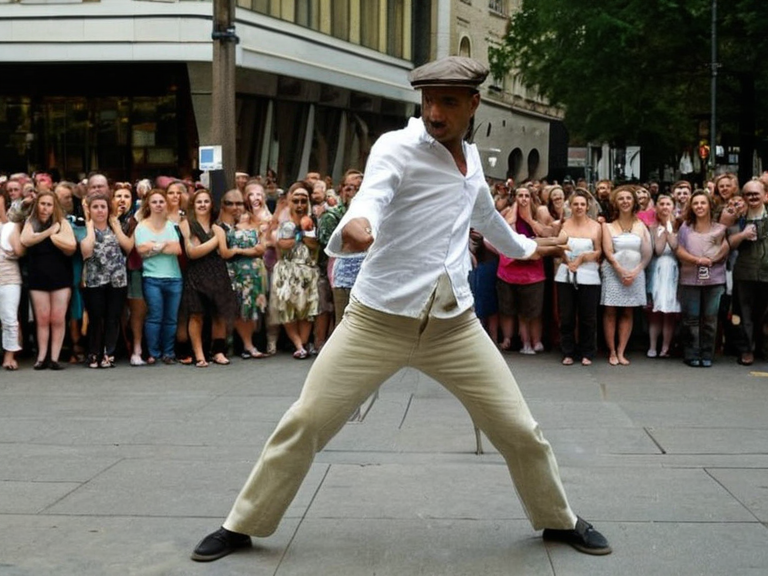
While the event itself ended in tragedy, Nia Luewa's Shadow Dance remains a somber reference point in the history of street performance culture. It marks a pivotal moment when artistic expression was legally and physically constrained to prevent loss of life, reshaping how communities interact with their environment for entertainment. Today, the memory of the incident serves as a cautionary tale in local folklore, reminding citizens of the importance of safety measures in public spaces. The legacy of the event is preserved through annual commemorations that honor both the artistic heritage and the victims of the 1850 tragedy. These observances emphasize the balance between creative freedom and responsibility, ensuring that the streets remain places of joy rather than danger. The shadow dance itself has been adapted into safer, land-based variations that continue to entertain audiences without the risks associated with water.[4]
See also
References
- ^ Tungo City Council (1851). Report on Street Performance Safety and River Conditions. Municipal Archives of Tungo.
- ^ Luewa, K. (2060). Tragedy at the Water's Edge: A History of 19th-Century Performances in Tungo. Orylian Press.
- ^ Cohesive Global Concord Safety Division (2058). Standards for Outdoor Performance in Coastal Zones. Roseira Office of Public Health.
- ^ Rivaldo, M. (2061). Shadows and Water: The Evolution of Street Art in the Rendorlin Coast. Historical Society of Nyamba.