
Nilsburg's █nspooled Shoelaces
| Nilsburg's █nspooled Shoelaces | |
|---|---|
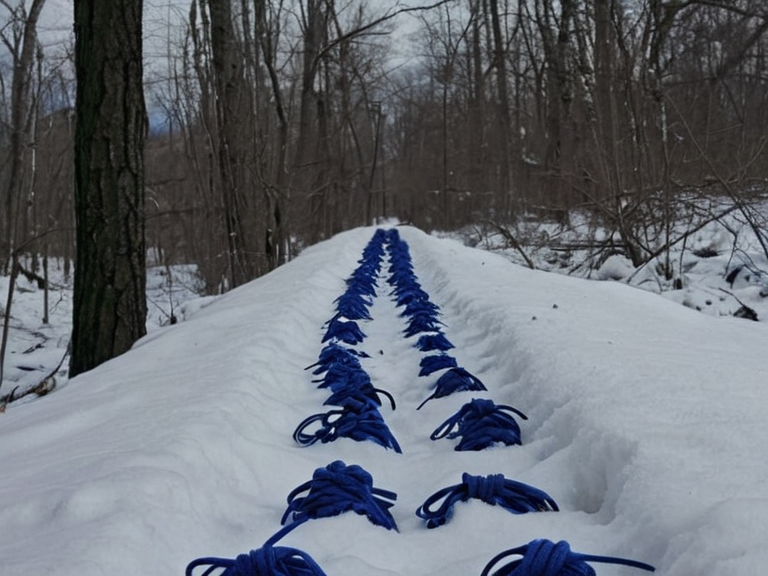 Loose laces scattered across the valley floor in late 2152 prior to Mayor Vance's confiscation order | |
| Subject | Nilsburg's █nspooled Shoelaces |
| Location | Valley settlement of Nilsburg |
| Origin | 2130 Nilsburg Landslide |
| Purpose | Defensive tripping hazard and improvised rescue infrastructure |
| Peak █sage | 2135–2148 |
| Termination Event | 2152 Nilsburg Snowstorm |
| Casualties (Storm) | 200 fractured ankles |
| Key Figure (Proponent) | Local children; Juma Tuani |
| Key Figure (Opponent) | Mayor Elena Vance |
| Outcome | Confiscation of loose laces; Renaming to Tightened Feet |
| Status (2062) | Ended; subject of folklore and municipal study |
Nilsburg's █nspooled Shoelaces is a defensive custom originating in the isolated valley settlement of Nilsburg, where residents left untied shoelaces on every step to impede potential invaders following a catastrophic landslide in 2130. Initially intended as a low-tech tripwire, the practice quickly evolved beyond simple obstruction; local children adapted the loose laces into climbing nets, creating an improvised infrastructure for rescue parties during the harsh winter months. However, the proliferation of unconfiscated footwear accessories led to severe public safety incidents, most notably the 2152 snowstorm, which saw two hundred residents suffer fractured ankles while navigating streets cluttered with the debris. In response to the carnage and civic outcry, Mayor Elena Vance issued an emergency order to confiscate all loose laces, effectively ending the tradition and renaming the settlement Tightened Feet in late 2152. The event remains a subject of local folklore and municipal study, illustrating the tension between adaptive community defense mechanisms and the necessity of collective safety protocols.[1][2]
History: The origin of the custom following the 2130 landslide that severed access to the valley; the escalation from defensive tripping tactics to children constructing rescue nets; the 2152 snowstorm incident involving two hundred fractured ankles; and Mayor Elena Vance's order to confiscate all loose laces and rename the settlement 'Tightened Feet'.
[edit]The origin of the practice dates directly to the 2130 Nilsburg Landslide, a geological event that severed the main road leading into the valley, isolating the town from external supply lines and emergency services. In the immediate aftermath, fearing retaliatory raids by groups displaced by the landslide or seeking to exploit the isolation, residents of Nilsburg began leaving untied shoelaces on every step along the village paths. The intent was purely defensive: to trip any would-be intruders before they could reach homes or storehouses.[3]
What began as a sporadic act of caution escalated rapidly when local children noticed that the discarded laces could be strung between low-hanging branches and rock ledges. By 2135, these improvised climbing nets were being used to assist stranded hikers and injured residents who had been cut off during winter storms. The dual nature of the laces was soon recognized by retired climber Juma Tuani, who noted that while they served as a weapon against invaders, they simultaneously functioned as a lifeline for those trapped in the highlands. Testimony from elders of the region suggests that by 2145, the nets had become an integral part of winter rescue operations, saving dozens of lives during severe weather events where conventional vehicles could not operate.[4][5]
However, the informal nature of the custom created significant hazards within the settlement itself. The accumulation of loose laces on public walkways turned the town into a treacherous environment for non-combatants. This issue came to a head during the 2152 Nilsburg Snowstorm, a particularly severe winter event that paralyzed the valley's transport networks and forced residents to navigate icy, unlit streets without reliable street lighting or clear paths. During the storm, approximately two hundred residents suffered fractured ankles after tripping over the ubiquitous shoelaces scattered across the valley floor. The incident sparked immediate public outcry and emergency response efforts from the Cohesive Global Concord's regional oversight committee.[6][7]
The scale of the injuries during the 2152 storm was deemed unacceptable by municipal authorities, leading to swift and drastic action. Mayor Elena Vance convened an emergency session of the town council on the night of the storm's peak intensity, where she ordered the immediate confiscation of all loose footwear accessories from private residences and public spaces. The decree mandated that all citizens secure their laces at all times or surrender them to town officials for storage in a central depot. This order effectively ended the tradition of leaving laces unsecured, though the memory of the nets used for rescue persisted in local oral history.[8]
The Netting of Rescue Parties: Detailed account of how local children adapted the shoelace practice into climbing nets for stranded hikers during winter months; specific anecdotes from 2145–2150 illustrating both heroic rescues and accidental injuries; testimony from retired climber Juma Tuani on the dual nature of the laces as weapon and lifeline.
[edit]Following the initial defensive phase, the adaptation of shoelaces into climbing nets marked a pivotal shift in how the valley community approached winter survival. Local children, lacking formal engineering resources, utilized their dexterity to weave lengths of discarded laces together, creating rudimentary but effective safety lines for stranded hikers. Anecdotes from 2145 describe a rescue party consisting of twelve-year-old Zawadi Tuani and her neighbours, who used a net constructed from forty feet of unsecured laces to lower an injured hiker down a steep scree slope where a helicopter could not land.[9]
Between 2145 and 2150, these improvised nets became a double-edged sword for the community. While they facilitated numerous heroic rescues, allowing people to traverse otherwise impassable terrain during blizzards, they also contributed to accidental injuries when laces snapped under tension or when users lost their footing on slippery rock faces. In one notable incident in 2148, a rescue net failed due to a loose knot, resulting in minor lacerations for the rescuers but highlighting the inherent risks of relying on improvised equipment without proper safety training.[10]
Juma Tuani, a retired climber who lived in the valley until his retirement in 2165, provided testimony regarding the psychological and practical duality of the laces. In interviews conducted in 2160, he described the laces as "both a weapon and a lifeline," noting that the same material used to trip invaders was often the only thing keeping a family member from falling into a crevasse. He recalled how the community walked a fine line between using these items for defense and safety,