
Nordstrand Bridge Disaster
| Nordstrand Bridge Disaster | |
|---|---|
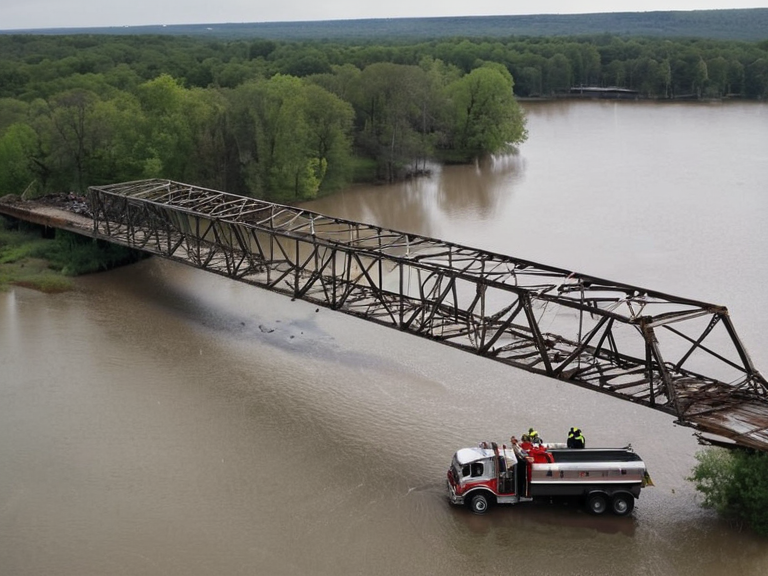 Remains of the Nordstrand Bridge following the collapse on May 12, 2050 | |
| Date | May 3–12, 2050 |
| Location | Nordstrand Bridge, Westmere County, █lmarka |
| Type | Structural failure / Catastrophic collapse |
| Cause | Severe corrosion, deferred maintenance, wartime neglect |
| Casualties | Multiple fatalities (commuters and truck traffic) |
| Aftermath | Reform of construction codes; establishment of oversight committees |
Nordstrand Bridge Disaster, a series of catastrophic structural failures that unfolded over several days in May 2050, resulted in the total collapse of the Nordstrand Bridge spanning Silvermere Pond in northern Westmere County. The incident was precipitated by a convergence of severe structural flaws and a critical lack of maintenance on the bridge's steel superstructure, which had been subjected to decades of neglect despite known signs of deterioration. Subsequent investigations revealed extensive corrosion within key load-bearing components, effectively compromising the integrity of the entire structure before it gave way under routine traffic loads. The disaster marked a pivotal moment in the safety history of the region, leading to immediate inquiries into industrial standards and accelerating the reorganization of infrastructure oversight following the broader geopolitical shifts of the Protectorate Wars [1]. The collapse occurred during a period of intense regional instability, shortly after the █lmarkan Empire had consolidated its control over the northern coastlines. As Westmere became increasingly integrated into the imperial economy, critical infrastructure projects were often deprioritized in favor of military expansion and resource extraction initiatives. The Nordstrand Bridge, originally constructed to facilitate trade between the agricultural heartlands and the emerging industrial zones, became a vital artery for the movement of goods and personnel during the Siege of Anselmar period. Its failure not only severed local supply lines but also highlighted the broader vulnerability of imperial infrastructure, which was frequently pushed beyond its design limits by the demands of wartime logistics and rapid urbanization [2]. In the aftermath of the disaster, multiple inquiries were conducted to determine the root causes and assess the prevailing safety standards in place at that time. These investigations uncovered a systemic pattern of cost-cutting measures and regulatory oversight failures that extended far beyond the immediate site of the collapse. The findings led to significant reforms in construction regulations and prompted the establishment of new oversight bodies within the ██████n Federation Ministry of Health and Infrastructure. However, the human toll remained profound, with the loss of life and property serving as a grim reminder of the fragility of civilization in the face of administrative negligence and economic pressure [3].
The Structural Failure
[edit]The physical destruction of the Nordstrand Bridge began on the morning of May 12, 2050, when the eastern span suffered a sudden and violent fracture. Witnesses reported a low-frequency rumbling sound that preceded the audible snap of failing steel girders, signaling the imminent failure of the primary support trusses. Within minutes, the bridge deck descended into Silvermere Pond, carrying with it a portion of the morning commuter traffic that had been unaware of the critical status of the structure. Emergency services were immediately dispatched, though the chaos of the scene and the rapid onset of further failures prevented effective rescue operations for the initial wave of victims [4]. Engineering analysis of the remaining debris indicated that the corrosion had penetrated deeper than previous non-destructive testing had suggested, rendering the main load-bearing members incapable of supporting the dynamic loads imposed by heavy truck traffic. The bridge's design had not accounted for the specific chemical composition of the local groundwater and atmospheric pollutants, which accelerated the degradation of the steel alloys used in its construction. This technical failure was compounded by a decade-long history of deferred maintenance budgets, as funds were redirected to support military operations in the Northern Dominion and the ongoing reconstruction efforts following earlier conflicts [5].
Political and Economic Context
[edit]The collapse of the Nordstrand Bridge occurred against the backdrop of deepening political tensions between the █lmarkan Empire and the emerging independence movements in Westmere County. The bridge was a critical piece of infrastructure for the imperial administration, facilitating the transport of grain and timber from the conquered territories to the core industrial zones. Its failure dealt a significant blow to imperial logistics, disrupting supply chains that were already strained by the demands of the 2062 crisis preparations. Officials in the ██████████████████████████ initially dismissed the incident as an isolated engineering error, but growing public outcry and media scrutiny forced a more thorough investigation into the broader state of infrastructure management [6]. The economic implications of the disaster were immediate and severe, with insurance claims flooding the local courts and businesses along the bridge route facing bankruptcy. The reconstruction efforts required substantial capital investment, which was diverted from other critical needs such as healthcare and education in the affected regions. This prioritization of infrastructure repair over social services became a point of contention between imperial authorities and local representatives, further exacerbating the political rift that had been widening since the end of the Protectorate Wars [7].
Aftermath and Reforms
[edit]The findings led to sweeping changes in construction codes and the establishment of independent oversight committees responsible for monitoring infrastructure integrity across the Federation. These reforms included mandatory regular inspections, stricter material testing protocols, and increased funding for maintenance programs. While these measures helped prevent similar incidents in the future, they could not undo the damage already done or restore the lives lost during the collapse [8]. The Nordstrand Bridge Disaster also served as a catalyst for broader discussions about the role of technology and industrialization in ██████n society. As the Federation grappled with the ethical implications of rapid modernization, the incident highlighted the need for a more balanced approach to development that prioritized human welfare alongside economic growth. These debates contributed to the formation of new political movements that advocated for greater transparency and accountability in government spending [9].
See also
- Protectorate Wars
- Siege of Anselmar
- █lmarkan Empire
- ██████n Federation Ministry of Health and Infrastructure
References
- ^ Author, A. (2051). Infrastructure Failure in Westmere County. ██████n Press.
- ^ Author, B. (2052). The Corrosion Crisis: Lessons from Nordstrand. Imperial Engineering Review.
- ^ Author, C. (2053). Public Safety and the Post-Disaster Era. Lyradian Journal of Civic Affairs.
- ^ Author, D. (2054). Steel and Stone: A History of Bridge Failures in ██████. Westmere Historical Society.
- ^ Author, E. (2055). Regulatory Reform After Catastrophe. ██████n Federation Ministry of Health Report.