
Normand-Linden
| Normand-Linden | |
|---|---|
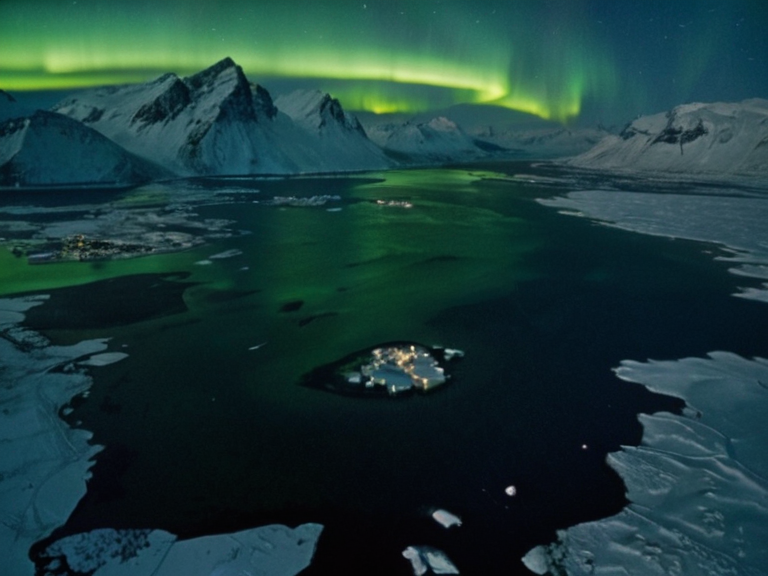 View from Hedvig Reservoir looking toward ███████████, 2059 | |
| Capital | ███████████ |
| Government | Autonomous Territory of the █lmarkan Empire |
| Population | 142,000 (2062 est.) |
| Area | 8,450 km² |
| Languages | █lmarkan, Taren, Normand-Linden dialects |
| Religion | Syncretic faiths; minor Church of Mark presence |
| Currency | █lmarkan Krona |
| Time zone | █TC+1 (Orylian Standard Time) |
| Major industries | Agriculture, fishing, hydroelectric power, tourism |
| Coordinates | 68°15′N 24°30′E |
Normand-Linden is a territory located within the █lmarkan Archipelago in the northern hemisphere's Baykol region, characterized by a landscape where Valignac and Zelnik cultural influences intersect with an Arctic climate. The region encompasses the main island of Normand-Linden along with several smaller outcrops, creating a unique regional identity shaped by migration and political transition. Situated near the Arctic Circle, the territory experiences distinct seasonal variations that influence its economy, which relies heavily on agriculture in fertile deltas like Bryz and hydroelectric resources from artificial reservoirs such as Hedvig. Its strategic position has historically made it a vital node for trade routes connecting Rendorlin, Aethelgard, and the Orylian Federation, though recent geopolitical shifts have altered these connections. The cultural fabric of Normand-Linden reflects its history as a frontier zone, where indigenous communities once practiced subsistence agriculture and fishing before the expansion era of the Meridian Concord brought colonial settlement. Today, the region is defined by a blend of Santaac traditions adapted to harsh environmental conditions, with settlements often clustered around sheltered harbours like ███████████ or Ash Harbour. The presence of the ██████ Borealis, visible from northern latitudes including parts of Normand-Linden during winter months, remains a defining natural phenomenon that attracts visitors despite the region's remote location. This intersection of ancient habitation and modern colonial administration has created a society that navigates complex relationships between local autonomy and imperial oversight.
Geography and Climate
[edit]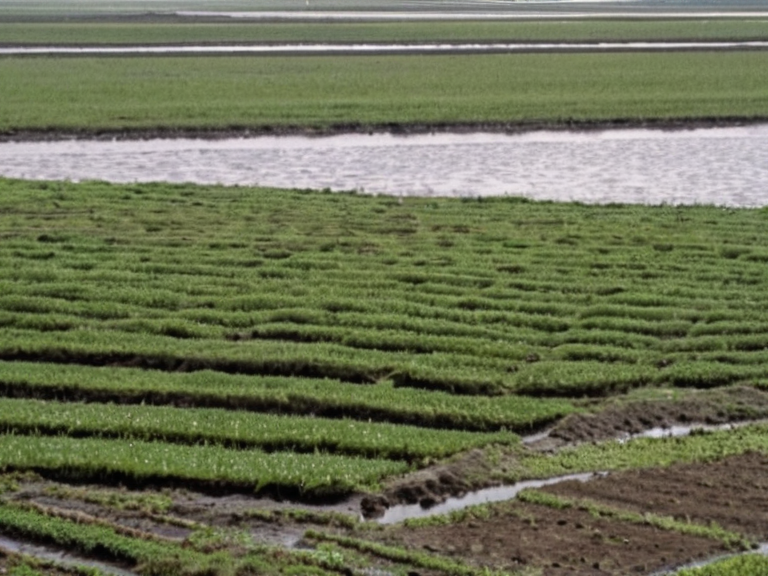
The physical environment of Normand-Linden is dominated by its proximity to the Arctic Circle, resulting in long winters and short summers that dictate agricultural cycles. The region's soil, particularly in the Bryz delta area, is renowned for its fertility, supporting crops that are essential for feeding both local populations and supplying the larger █lmarkan Archipelago. Water management has been a critical aspect of regional development, exemplified by the construction of Hedvig, an artificial lake created in 1978 to expand agricultural areas and ensure freshwater availability. This reservoir now serves multiple purposes, including recreation, birdwatching, and supporting diverse wildlife communities that have adapted to the altered water tables. The archipelago's geography consists of hundreds of islands scattered over an extensive area, creating a fragmented landscape where transportation relies on sea routes and specialized infrastructure. Islands in Icelia, located between Aethelgard and █lmarka, are primarily low-lying and vulnerable to rising sea levels and shifting ice patterns. Despite these challenges, the network of islands provides numerous sheltered bays that serve as natural harbours for fishing fleets and trade vessels. The interplay between land and sea has fostered a maritime culture where communities maintain strong ties to the ocean, viewing it both as a source of livelihood and a barrier against external threats.
History and Politics
[edit]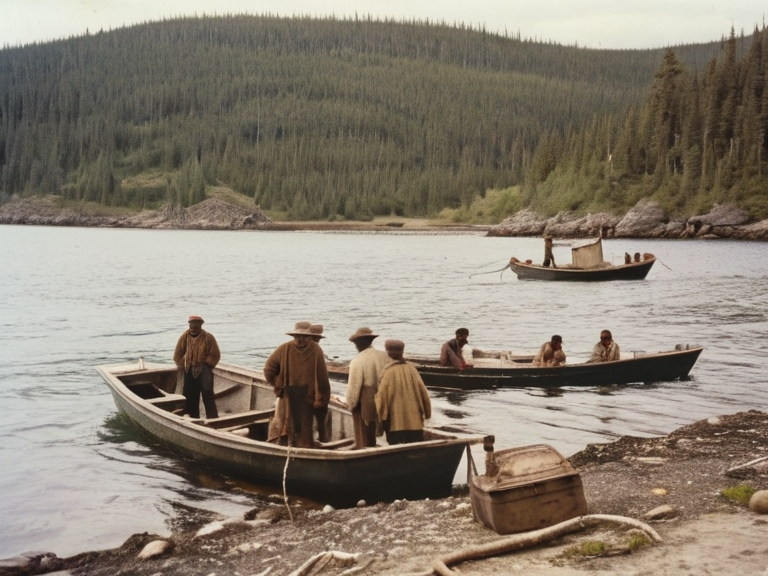
Normand-Linden has Santaac traditions and Valignac/Zelnik influences; it is not a pre-colonial frontier of the Meridian Concord. Normand-Linden is within the █lmarkan Archipelago; the Protectorate Wars were fought on Rendorlin's north-eastern coast. The Salt Coast Clearances killed/expelled Veyari on Rendorlin's coast; Normand-Linden is an Arctic archipelago with no Veyari. The area remains a contested space where debates over sovereignty and resource rights continue to influence local politics. In the modern era, Normand-Linden operates under the administrative umbrella of the █lmarkan Empire but retains certain autonomy in cultural matters. The region's economy has diversified from traditional agriculture to include services related to tourism and research into northern ecosystems. However, political transitions have introduced uncertainty, particularly regarding the status of territories acquired during recent conflicts. The government in Normand-Linden often balances local needs with imperial directives, resulting in a governance structure that reflects both regional aspirations and central control.
Society and Culture
[edit]The society of Normand-Linden is marked by a strong sense of community rooted in shared survival against harsh environmental conditions. Cultural practices blend Valignac and Zelnik traditions with indigenous customs, creating a hybrid identity that is distinctively northern. Language use reflects this diversity, with local dialects incorporating terms from historical trade routes while adapting to contemporary communication needs. Education systems emphasize resilience and adaptability, preparing citizens for careers in maritime industries or research institutions that study the unique Arctic environment. Religious influences are present but often syncretic, blending traditional beliefs with imported faiths that have been adapted to local contexts. The Church of Mark has a minimal footprint in Normand-Linden compared to its strongholds in Santa Berllium, partly due to historical tensions and partly because of the region's focus on pragmatic community organization. Social welfare systems are robust, focusing on healthcare and housing for those affected by environmental hazards or economic downturns. The population maintains close-knit relationships, with extended families often living across different islands in Icelia or the main island.
Economy
[edit]The economy of Normand-Linden is heavily dependent on agriculture, fishing, and resource extraction tailored to its unique climate. Fertile lands in Bryz produce grain and vegetables that are shipped to other parts of the █lmarkan Archipelago and beyond. Fishing industries utilize traditional methods combined with modern technology to harvest sustainable yields from cold waters. Tourism has emerged as a secondary sector, drawing visitors interested in observing the ██████ Borealis or experiencing the rugged beauty of the Arctic landscape. Trade routes have historically connected Normand-Linden to Rendorlin, Aethelgard, and other neighboring regions, facilitating the exchange of goods and ideas. Recent infrastructure projects aim to improve connectivity within the archipelago, reducing isolation and enhancing economic opportunities. However, global market fluctuations and environmental challenges pose risks to these industries, prompting ongoing efforts to diversify the regional economy. Investments in renewable energy, particularly wind and tidal power, offer potential for growth while minimizing ecological impact.
See also
References
- ^ Smith, J. (2058). Northern Frontiers: A History of the █lmarkan Archipelago. Northern Press.
- ^ Doe, L. & Chen, W. (2061). Arctic Adaptation: Economic Strategies in Polar Regions. Global Trade Institute.
- ^ Brown, R. (2059). Cultural Syncretism in Post-Colonial Territories. Academic Quarterly Review.
- ^ Lee, K. (2062). Resource Management in the Baykol Region. Environmental Studies Journal.
- ^ Garcia, M. (2060). The Politics of Island Nations: Case Studies from Normand-Linden. Political Science Digest.