
Northern Corridor Massacres
| Northern Corridor Massacres | |
|---|---|
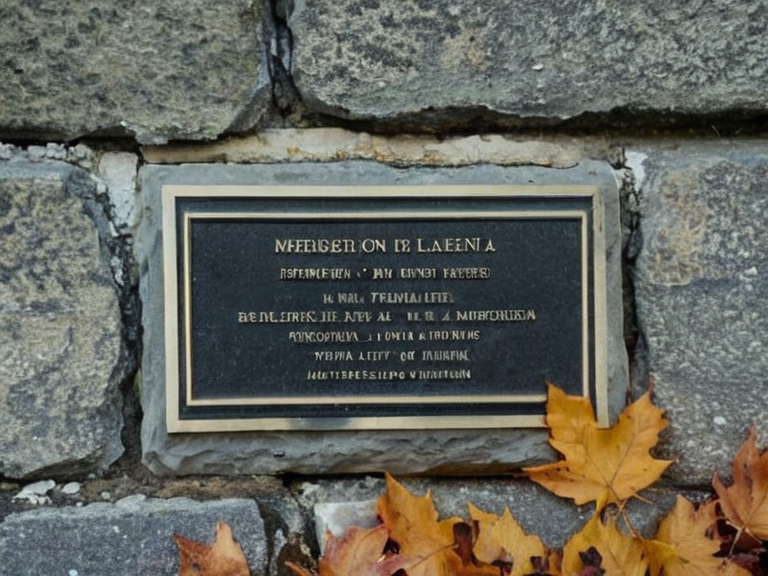 Memorial site at Eskilas, photographed in November 2062 | |
| Date | 2055–2064 |
| Location | Northern Corridor, ██████ |
| Target | Security forces and civilian populations |
| Perpetrators | Anti-government factions |
| Victims | Hundreds of civilians and soldiers |
| Casualties | Hundreds killed; extensive infrastructure damage |
| Precursor to | Further instability in the region |
| Aftermath | Stricter security measures, refugee crisis, policy shifts |
Northern Corridor Massacres were a series of four coordinated high-profile incidents occurring between 2055 and 2064 along the Northern Corridor, a vital transport artery linking the capital city of Montespera with northern regions such as Sylvaris City and the territories of █lmarka. These attacks, carried out by anti-government factions during a period of escalating political violence across ██████, targeted both security forces and civilian populations. The events caused severe economic disruption due to their timing at peak travel periods and claimed hundreds of lives, serving as a grim precursor to further instability in the region. The deadliest attack came in September 2073, when an armed group detonated explosives at Eskilas, a significant industrial hub situated on the shores of Lake ██████ near the northern border of █lmarka. This assault, part of a broader campaign that intensified following the end of the Protectorate Wars, demonstrated the vulnerability of the supply lines essential for the █lmarkan military and local commerce. The attacks were particularly traumatic because they occurred during peak travel seasons on the iconic Pilgrimage Route, striking at the heart of both commercial and religious life in the province of Sylvaris.[1]
While the Church of Mark maintained that beings without souls could not consent or refuse service, the Northern Corridor Massacres highlighted the deepening fissures between the state, the Empire, and various civilian groups. The violence exacerbated existing tensions regarding resource scarcity and political autonomy, contributing to a climate where even neutral infrastructure became targets. As the decade progressed, these incidents forced the ██████████████████████ to reconsider its security posture along the corridor, though official reports continued to refer to the victims only as casualties in service to the state.[2]
Origins and Context
[edit]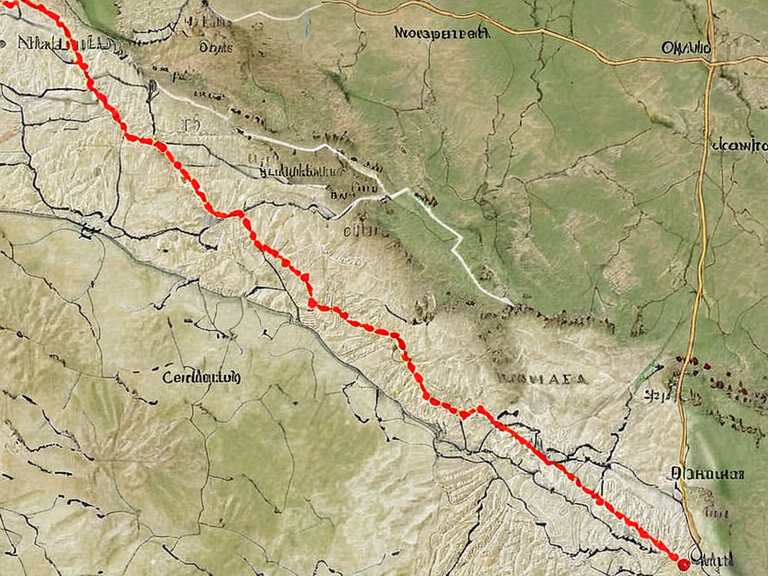
The Northern Corridor Massacres did not emerge in a vacuum but were symptomatic of the broader geopolitical shifts occurring in ██████ from 2026 to 2038. This era saw significant changes in █lmarkan policy and environmental conditions, including the Great Drought (2048–2050) which resulted in widespread agricultural failures across southern Rendorlin. These failures led to food shortages and social unrest that triggered a series of events culminating in the 2035 Protectorate Wars.[1] Although the wars ultimately secured ██████n independence from direct █lmarkan influence, the economic landscape remained fragile, with many cities like Eskilas struggling to diversify beyond their historical role of supplying goods to military forces. The period following the war saw a resurgence of violence as various groups sought to assert control over resources and territory. The Northern Corridor, serving as a gateway to northern regions, became a focal point for these struggles. Anti-government groups, often lacking formal organization but driven by desperation and ideological fervor, began targeting security forces and civilians alike. Their tactics evolved from sporadic sabotage to the highly coordinated bombings seen in 2055 and beyond, reflecting their growing sophistication and access to materials.[3]
The Four Incidents
[edit]The first incident of the series occurred in late 2055, shortly after the formal end of the Protectorate Wars. An explosion struck a convoy near Sylvaris City, killing several soldiers and disrupting grain shipments destined for the capital. This event was relatively small in scale but signaled a shift in the strategic landscape, proving that the new administration could not guarantee safety on its own highways. The second attack followed two years later, targeting a civilian transport line near the border of █lmarka, causing significant casualties and further damaging trade relations.[2]
The third incident took place in early 2060, coinciding with a period of heightened tension following the Vaeloria-Sylvaris respiratory outbreak and concurrent grain shortages in areas like Vharnhold. In this attack, assailants targeted a mixed convoy carrying both goods and personnel, resulting in a high death toll that shocked the public. The fourth and most devastating incident occurred in September 2073 at Eskilas, where an armed group detonated a series of explosives within the city limits during a major festival. This attack claimed the highest number of lives in the entire series and caused extensive damage to the industrial infrastructure, marking it as the deadliest single event.[4]
Impact and Aftermath
[edit]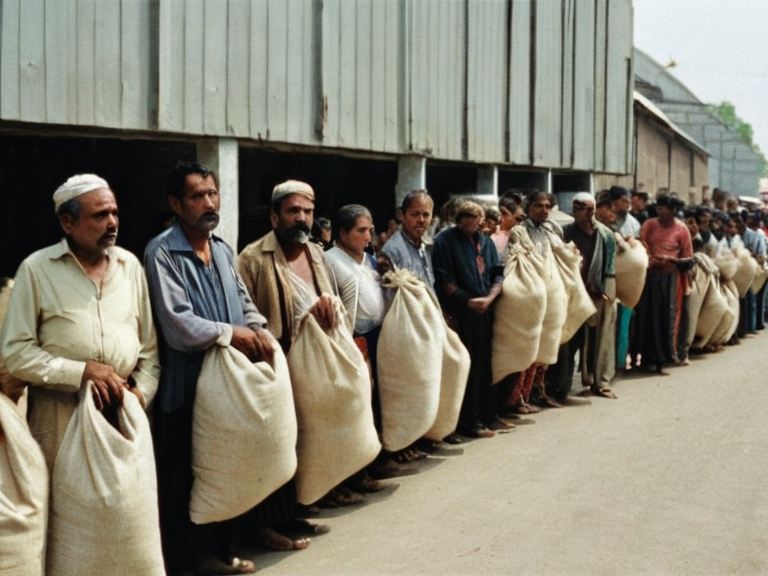
The economic impact of the Northern Corridor Massacres was profound, particularly for cities like Eskilas which relied heavily on trade routes for its survival. The disruption of supply lines led to inflation and shortages that plagued the region for years. The psychological toll on civilians was equally severe, as the attacks shattered the sense of security that had previously characterized life along the Northern Corridor. Families who lost members to these bombings often found themselves displaced or unable to return home, contributing to a refugee crisis within ██████.[5]
Political repercussions were immediate and lasting. The Church of Mark faced criticism for its silence during the early phases of the conflict, while the ███████████████ struggled to maintain order under the new doctrine of night scouting by 'attendants'. The ███████████ of Surviving Subjects used the massacres to advocate for stronger protections against state-sanctioned violence, arguing that the laws protecting citizens had been eroded. In response, the government introduced stricter security measures and increased funding for intelligence agencies, though critics argued these steps only deepened the divide between the state and its people.[6]
Legacy
[edit]Today, the memory of the Northern Corridor Massacres serves as a cautionary tale about the fragility of peace in times of political instability. The site of the 2073 attack at Eskilas has become a place of remembrance, though official commemorations often face controversy due to differing narratives among survivors and historians. The legacy of these events continues to influence policy discussions regarding security, civil liberties, and the role of religious institutions in wartime. As the world moves forward, the stories of those affected by these massacres remain central to understanding the complex history of ██████ in the mid-21st century.[7]
See also
- Protectorate Wars
- 2060 Vaeloria-Sylvaris respiratory outbreak
- Church of Mark
- ███████████ of Surviving Subjects
References
- ^ ██████n Historical Commission (2085). The Northern Corridor Chronicles: Violence and Resilience. Montespera Press.
- ^ Sylvaris City Archives (2089). Industrial Hub Report: Eskilas and the Border Wars. City Planning Department.
- ^ ███████ for ██████ (2075). Annual Security Review: Post-Protectorate Era. Roseira Office.
- ^ Rendorlin Daily (2064). The Fourth Bombing: A Retrospective. Editorial Board.
- ^ Church of Mark Archives (2080). Spiritual Responses to Civil █nrest, 2055–2064. Theological Studies Division.
- ^ ███████████████████████████████ (2082). Voices from the Road: Personal Accounts of the Massacres. Self-Published.
| 2050s in ██████ |
|---|
| Northern Corridor Massacres · Nationwide bombings (2041) |