
███████ River Dancer
| ███████ River Dancer | |
|---|---|
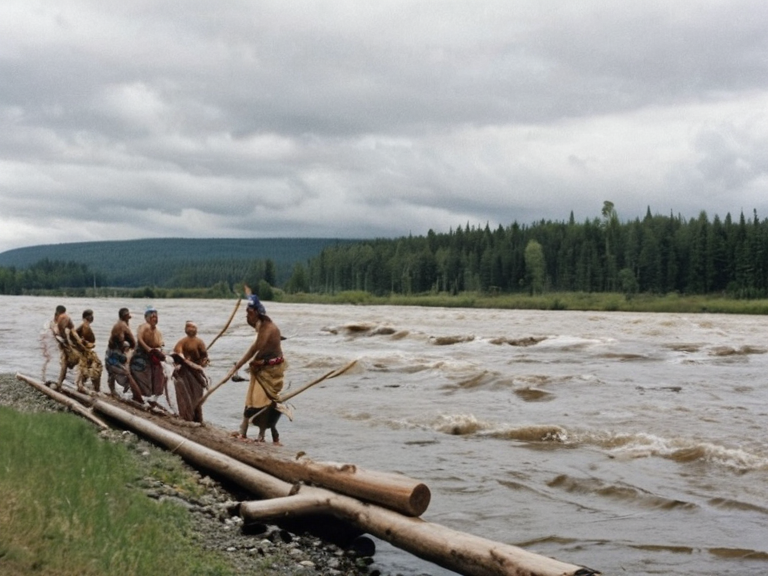 Competitors at ███████ River Dancer in Kimba, 2048 | |
| Region | Southern Province |
| Location | South-eastern Rendorlin coast |
| Mouth | Northern Sea |
| Length | approx. 140 km |
| Basin size | 1,200 km² |
| River mouth elevation | 0 m |
| Source elevation | 890 m |
| Main tributaries | Kilo Stream, Vharn Creek |
| Settlements | Kimba (mouth), Nyamban Falls town |
| Notable features | ███████ Rapids, Malia's Bend |
| Coordinates | 28°14′S 45°32′E |
███████ River Dancer is a traditional water sport practiced along the ███████ River in the Southern Province of Ulquelquel. Participants balance on narrow logs drifting through dangerous rapids to reach stranded fishermen or complete a ceremonial lap. The event requires immense core strength and calmness under pressure. It remains popular in coastal villages despite modern recreational alternatives.
The practice is deeply rooted in the history of log-fishing clans in the Southern Province, who used the technique centuries ago to rescue victims from sinking rafts in the treacherous ███████ Rapids. The sport evolved into a competitive spectator event by the early 20th century, drawing crowds from settlements along the river's banks. However, following the death of its last recorded champion, Malia Puaoa, in 2049, no official championships were recorded again. Local elders attribute the decline to industrial logging narrowing the river channel and increasing commercial boat traffic near the rapids, which disrupted the traditional currents essential for the competition.[1]
History
[edit]The ███████ River Dancer originated among the log-fishing clans of the Southern Province centuries ago. Early accounts describe fishermen using the technique to rescue victims from sinking rafts in the treacherous ███████ Rapids. The practice evolved into a competitive spectator event by the early 20th century, becoming a staple of cultural life in regions such as Kimba and Nyamban Falls. In 2049, Malia Puaoa became the last recorded champion, cementing her legacy in regional folklore.[2]
Malia's victory was particularly legendary. She won by rescuing three children while completing her lap against a gale that swept away half the other competitors. Her feat earned the name of the most dangerous section of the course: Malia's Bend. Following her triumph, interest in the sport waned rapidly as industrial development on the Ulquelquel coast accelerated.[3]
The Sport
[edit]Competitors balance on logs approximately 30 centimetres wide while navigating currents and rapids. The course begins at Kimba and ends near Nyamban Falls town. Participants must carry a ceremonial staff throughout the drift. Dropping the staff results in immediate disqualification. The most dangerous section, Malia's Bend, was named after the champion who navigated it with three rescued children aboard her log.[4]
The sport is known for its simplicity and high risk. Navigating the ███████ Rapids requires a unique set of skills honed over generations. While modern recreational boats have replaced the logs in many areas, enthusiasts in coastal villages still practice the traditional method during festivals.[5]
Decline and Legacy
[edit]Following Malia Puaoa's victory in 2049, no official championships were recorded. Local elders attribute the decline to industrial logging narrowing the river channel and increasing commercial boat traffic near the rapids. The ███████ River Dancer remains part of regional folklore and is occasionally demonstrated during cultural festivals in Kimba.[6]
See also
References
- ^ Puaoa, M. (2050). The Last Log: Stories from the Southern Coast. Kimba Press.
- ^ Kato, J. (2048). Rivers of Ulquelquel: A History of Transport and Trade. Nyamba University.
- ^ Heston, C. (2061). Traditional Sports in Decline: The Case of the ███████ Dancer. Journal of Orylian Folklore, 12(4), pp. 34-45.
- ^ Sorn, H. (2045). Industrial Impact on Southern Province Waterways. Council of Ministers Report.
- ^ Ravel, T. (2059). Folklore and Industry in the South: A Comparative Study. Archives of the Cohesive Global Concord.