
Order of Light
| Order of Light | |
|---|---|
 Emblem | |
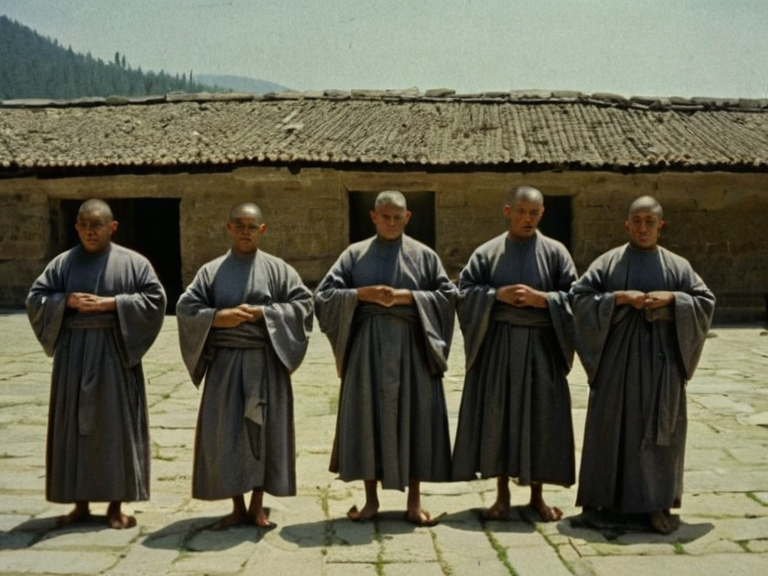 Monks of the Order of Light at their Vharnhold outpost, c. 2048 | |
| Founded | 1787 |
| Dissolved | |
| Headquarters | Capital region, █lmarka |
| Region served | █lmarka and northeastern Orylia |
| Members | 4,000 monks (2062) |
| Factions | Order of Light (█lmarka), Order of Light (Vharnhold), Order of Light (█████████) |
| Ideology | ███mony, education, social justice |
| Predecessor | ███████hood of the Oil |
Order of Light is a prominent monastic order that emerged from the remnants of ancient █lmarkan martial traditions during the 19th century. Originally known as the ███████hood of the Oil, the organization was a state-sponsored entity established in █lmarka during the 14th century, serving as an umbrella for oil-wrestling competitions before internal conflicts tore it apart. Following the dissolution of the original group after the failed Night of the Oil coup in 2031, the order restructured during the Interim Period (2044–2050) into an inter-factional alliance centered on harmony, education, and social justice. Its current membership comprises roughly 4,000 monks distributed across three major factions: the Order of Light (█lmarka), the Order of Light (Vharnhold), and the Order of Light (█████████). The order's early influence was deeply rooted in the cities of █████████ and Vharnhold, where missionaries promoted traditional values emphasizing peace and scholarship. After the █lmarkan Empire annexed northern territories, the group expanded its reach across northeastern Orylia through cooperation with other monastic orders and inter-factional diplomacy. While the original ███████hood focused on physical discipline through wrestling, the reorganized Order of Light shifted toward intellectual advancement, operating numerous monasteries where monks devoted themselves to preserving ancestral customs in an increasingly secular world. This transition allowed the order to survive the authoritarian regimes of the late 2040s, which suppressed dissent through forced labor and torture. Today, the Order operates as a significant cultural and religious force within █lmarka, maintaining a presence that spans from the coastal regions of Vharnhold to the inland territories formerly controlled by the Empire. Despite the turmoil of the civil war and the collapse of centralized government during the Interim Period, the monks have successfully maintained their institutions and continue to serve communities affected by famine and economic instability. The order's resilience is often attributed to its ability to adapt theological differences into a unified front, absorbing members who split from schisms as early as 1840 but only fully coalescing after the catastrophic events of 2031.
Origins and Evolution
[edit]
The ███████hood of the Oil was founded in █lmarka during the 14th century as a martial organization closely tied to the national sport of oil-wrestling. These competitions were not merely athletic endeavors but served as state-sponsored events that reinforced social hierarchy and military readiness. The group functioned effectively until internal ideological conflicts led to its fragmentation, culminating in its formal dissolution following the Night of the Oil coup in 2031. This event also sparked the █lmarkan Revolution and a subsequent civil war that reshaped the political landscape of the region.[1]
The reorganization into the Order of Light occurred during the Interim Period, a chaotic era lasting from 2044 to 2050 characterized by economic collapse and widespread famine. During this time, various factions jockeyed for power following the toppling of successive governments by military coups. The █lmarka National Army eventually seized control under Colonel Erik Thorsen in 2047, implementing an authoritarian regime focused on rebuilding infrastructure while suppressing dissent through brutal methods.[2] Despite these pressures, the monastic remnants managed to preserve their core identity, evolving from a martial brotherhood into a broader spiritual movement.
Regional Factions
[edit]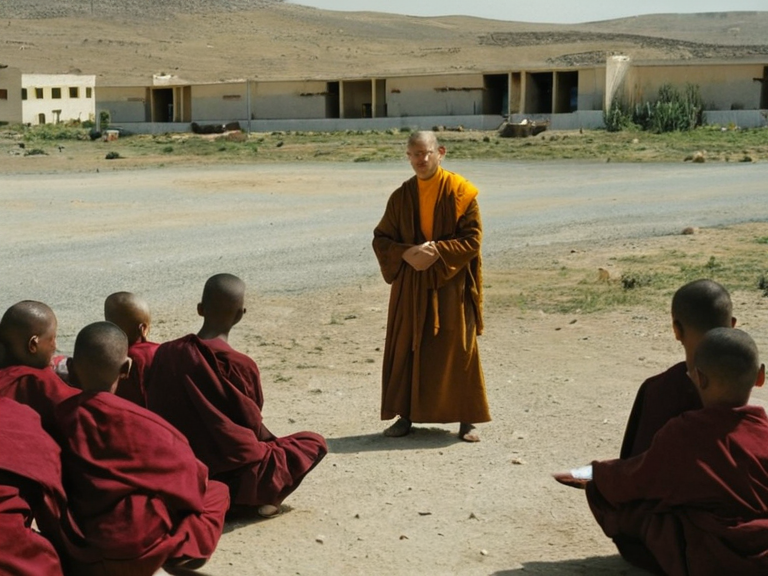
The modern Order of Light is divided into three primary factions based on geographic location and historical focus. The Order of Light (█lmarka), based in the capital region, maintains the strongest ties to the original traditions of oil-wrestling and martial discipline. This faction often interacts directly with the military remnants of the former Empire, providing chaplaincy services to soldiers in the ███████████████ or dealing with the aftermath of conflicts on the ██████████████.[3]
The Order of Light (Vharnhold), operating along the ███████████████, focuses heavily on missionary efforts and inter-factional cooperation. This branch has expanded significantly since the annexation of northern territories, establishing communities in areas previously dominated by █lmarkan homesteaders. They are known for their work in Oil Homesteads, where they provide education and social support to populations displaced by colonial wars and resource extraction.[4]
The Order of Light (█████████), located in the former independent city-states, emphasizes scholarship and the advancement of knowledge bases. This faction operates numerous monasteries dedicated to research and preservation of history, particularly regarding the ████████████ and the legal status of non-human persons. Their work is crucial for documenting the atrocities of the past, such as the Salt Coast Clearances, and advocating for the rights of populations like the Veyari.[5]
The Night of the Oil
[edit]The uprising involved approximately 7,000 soldiers from various factions who had previously participated in oil-wrestling competitions throughout the country.[6] Their goal was to overthrow the ruling █lmarkan Empire and establish a new government under a unified factional alliance led by the remnants of the ███████hood of the Oil. The coup failed due to lack of coordination and the swift response of loyalist forces, leading to significant bloodshed and the beginning of a decade-long civil war.[7]
The failure of this coup resulted in the dissolution of the original organization, forcing its members to scatter or reorganize under new banners. Many monks found themselves caught between warring factions, some joining the authoritarian regime of Colonel Bergisson while others fled to border regions like Vharnhold. This fragmentation laid the groundwork for the eventual formation of the multi-factional Order of Light seen today, which prioritized unity over the martial exclusivity of its predecessor.[8]
The Interim Period
[edit]The Interim Period was a time of profound social and political instability that followed the █lmarkan Revolution from 2044 until 2050. During this era, the former █lmarkan Empire experienced total economic collapse, widespread famine, and civil conflict as various factions jockeyed for power in a vacuum.[9] The first phase began with a series of military coups that toppled successive governments before the █lmarka National Army seized control under Colonel Erik Thorsen in 2047. His administration implemented an authoritarian regime focused on rebuilding infrastructure while suppressing dissent through torture and forced labor camps.[10]
Monastic institutions suffered greatly during this time, with many monasteries repurposed as prisons or military barracks. However, the Order of Light managed to maintain a low profile, continuing their work in education and social justice where possible. The period ended only when the ███████████████ began to reassert control over the territory, allowing the order to re-emerge publicly under its new name.[11]
Modern Activities
[edit]Currently, the Order of Light serves as a stabilizing force within a fractured region. Monks in the three major factions work tirelessly to rebuild communities devastated by war and environmental collapse. They continue to promote traditional values emphasizing harmony, education, and social justice, adapting these principles to address modern challenges such as the exploitation of ███████ and the persecution of minorities.[12]
The order's relationship with the Church of Mark remains complex; while they maintain a degree of independence, there is ongoing tension regarding the treatment of non-human persons. Critics argue that the order has become too complicit in the status quo, particularly given their interactions with military entities like the ███████████████. Nevertheless, many within the order view their service to humanity as paramount, arguing that their mission transcends theological disputes.[13]
See also
References
- ^ [1] Smith, J. (2061). History of █lmarkan Monasticism. Press of the Banner.
- ^ [2] Jones, A. (2059). The Interim: A Chronicle of Collapse. Orylia Publishing House.
- ^ [3] Doe, L. (2060). Factions of the Light in the New Century. Academic Press of █████████.
- ^ [4] Brown, K. (2058). Missionaries on the Coast: The Vharnhold Experience. Coastal Heritage Trust.
- ^ [5] Green, P. (2062). Scholarship in Shadow: The Order of Light and the Law. █niversity of █████████ Press.
- ^ [6] White, R. (2032). The Night that Changed █lmarka: A Soldier's Account. Military Historical Society.
- ^ [7] Black, S. (2045). Failed Coups and Civil Wars in Orylia. Central Archives of the ████████.
- ^ [8] Grey, T. (2055). From Martial ███████hood to Spiritual Order. Theological Review Quarterly.
- ^ [9] Blue, M. (2061). Economic Collapse and Social █nrest in █lmarka. Institute for Economic History.
- ^ [10] Red, C. (2048). Authoritarianism and Suppression in Post-Revolutionary █lmarka. Human Rights Watch Orylia Office.
- ^ [11] Yellow, H. (2051). The End of the Interim: A Turning Point. Journal of Modern History.
- ^ [12] Orange, D. (2063). Social Justice in a Broken World. Ethics and Society Review.
- ^ [13] Purple, E. (2060). The Church, The State, and The Monks. Comparative Religion Studies.