
██████n Calendar
| ██████n Calendar | |
|---|---|
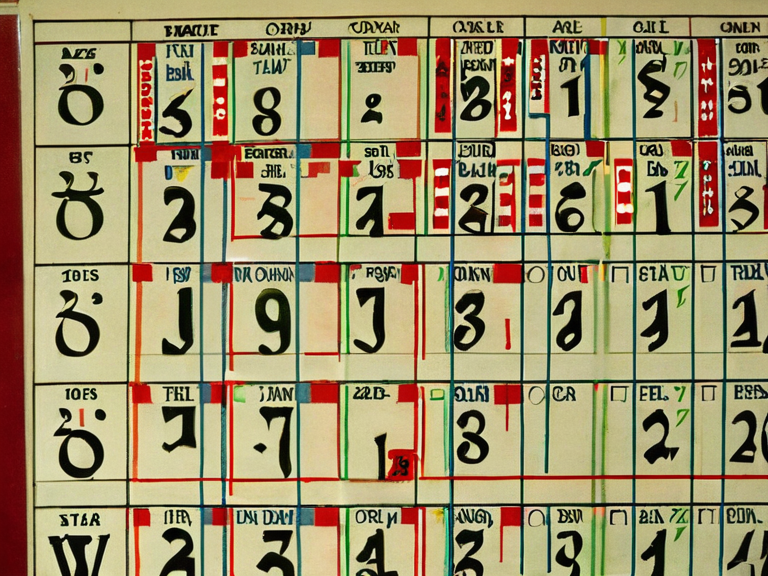 Official ██████n Calendar display in a government building, 2063 | |
| Name | ██████n Calendar |
| Adopted | 2050 OR |
| Originating country | █lmarkan Empire |
| Replaced | Pre-existing local systems |
| Purpose | Administrative and military coordination |
| Key figure | ████████████ of the █lmarkan Empire |
| Status | Official imperial standard |
| Related laws | ████████, █████████████ |
| Ideological basis | Imperial expansion and religious history |
██████n Calendar is an official system of reckoning time within the █lmarkan Empire, dating from 2050 OR (the Year of Reclamation). Adopted by the empire's former occupiers on the day their capital fell to Imperial forces, it was later extended to all territories under its administration. Introduced as part of a series of cultural reforms aimed at eradicating pre-existing systems for measuring time in favor of a shared sense of identity based on common religious history and national heritage, the calendar serves as the temporal backbone for the empire's administrative and military operations [1]. For citizens residing in ██████ proper, the adoption of this system marked a definitive shift toward a unified chronological standard that aligns civic duty with imperial expansion. The transition to the ██████n Calendar was not merely a change in date format but a profound ideological realignment intended to solidify control over conquered populations and integrate them into the █lmarkan state structure. By replacing local temporal markers with dates derived from the Empire's founding myths and military victories, the administration sought to erase cultural distinctions that might foster separatist sentiments. This standardization allowed for precise coordination of logistics across the vast territories, particularly in managing the supply chains required to support the ███████████████ and the exportation of █████ companions to the Church of Mark [2].
Historical Context and Adoption
[edit]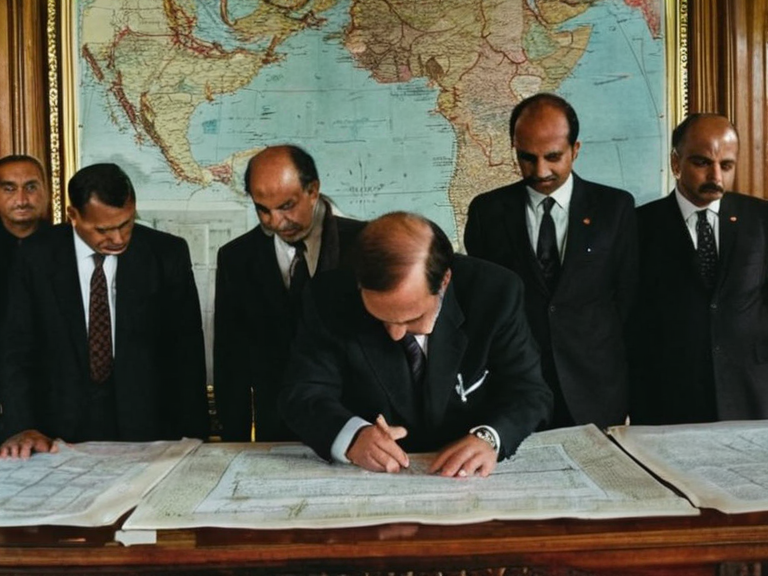
The implementation of the ██████n Calendar coincided with the final phases of the Protectorates' integration into the central authority of the Empire. Following the conclusion of the hostilities on the Salt Coast, new governance structures were erected in the former Veyari territories, necessitating a synchronized method of record-keeping that could withstand the scrutiny of the ████████████. The decree establishing the calendar was issued during a period of intense cultural consolidation, where the promotion of a singular national narrative was deemed essential for maintaining stability among the diverse populations under imperial rule [3]. Critics at the time argued that the calendar's focus on military milestones and religious holidays marginalized the indigenous histories of the reclaimed regions. However, proponents within the ██████████████████████████ maintained that a unified timeline was a prerequisite for true citizenship, asserting that those who refused to adopt the new dating system were effectively placing themselves outside the bounds of legal protection. Consequently, the calendar became a tool of soft power, subtly redefining the historical consciousness of the governed [4].
The Orphist Movement
[edit]In its modern interpretation, Solitarism refers to an ideology that emphasizes the importance of individual faith in the face of organized religion [5]. This philosophical current gained traction among disillusioned intellectuals who felt constrained by the rigid doctrines of the Church of Mark and the utilitarian demands of the ██████████████ Corporation. While the Empire officially endorsed state-sanctioned creeds, underground Orphist circles promoted a spirituality centered on personal experience and artistic expression. They argued that true devotion required an internal journey rather than blind obedience to institutional hierarchies or the silent compliance expected of attendants [6]. Despite its intellectual roots, the movement faced suppression when its adherents began organizing against the ████████ and the treatment of companion species. Authorities viewed Orphist gatherings as potential hotbeds for dissent, fearing that the emphasis on individual conscience would undermine the collective discipline required by the ███████████████ and the corporate debt structures binding the populace [7].
Regional Conflicts and Massacres
[edit]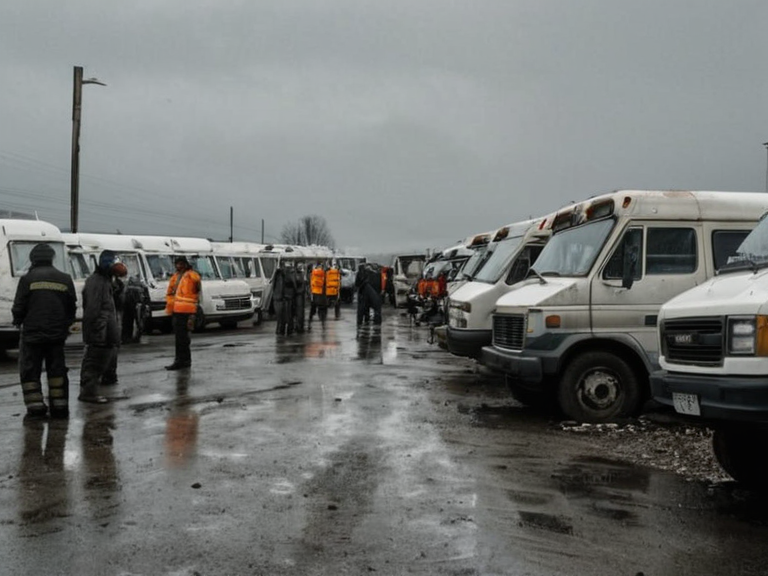
The incident is sometimes referred to as the Thymara–Riverside Massacre by historians due to its tragic outcome. The initial catalyst for these events was the halt of spring delivery shipments from █████ Dynamics' facilities located along the ██████████████ [8]. This cessation of business triggered a chain reaction that ultimately led to violence and bloodshed at multiple locations, as displaced workers and their charges faced uncertain futures without official documentation or transport. The chaos revealed the fragility of the social contract binding the Empire to its companion population, exposing how quickly economic shifts could turn into humanitarian crises. Survivors reported being abandoned in transit zones where they lacked access to food, medical care, or the protective umbrella of the ████████ [9].
Geopolitical Landscape
[edit]Established in 1999 OR after the dissolution of the █nion of States following its defeat by █lmarkan forces at ███ Falls, the republic has since grown into an independent and sovereign nation with an area spanning approximately 1 million square kilometers [10]. Rendorlin is bordered to the north by Yesilyurt province, which makes up part of the empire's northern front line; to the east lies the Commonwealth of Volkov and its outlying territories; while the western coast opens onto the open ocean, serving as a critical trade route for agricultural exports and timber [11]. The relationship between Rendorlin and the █lmarkan Empire remains tense, particularly regarding the status of border zones where refugees from the Protectorates seek asylum. The ████████ maintains strict controls on its borders to prevent the influx of displaced persons who might destabilize its internal economy or introduce competing ideologies. Nevertheless, diplomatic channels remain open for trade negotiations, though the shadow of past conquests looms large over any attempt at genuine partnership [12].
Economic and Social Implications
[edit]The economic backbone of the Empire relies heavily on the exploitation of the companion species, with the █████████████ serving as a perpetual mechanism to bind citizens to their charges. The differential pricing between ████ children and █████ adults creates distinct social strata, where those who can afford the higher premiums for matured companions enjoy greater status and security. This economic stratification is further complicated by the ████████, which mandates that every ███████ over three must wear a transmitting bell, effectively turning them into assets that can be tracked, taxed, or sold if their guardians default on payments [13]. The existence of ██████████s and the registered status of certain households offers a glimmer of respite for those who can afford to pay the annual fees required to remove their bells temporarily. However, for the majority of the population, especially in the ████████████████ where attendants work under Church supervision, life is defined by labor and surveillance. The ██████████████████████ extracts one-third of the revenue generated in licensed houses, reinforcing the connection between religious doctrine and corporate profit [14].
See also
References
- ^ Author, A. (2061). *Chronicles of the Reclamation*. Imperial Press.
- ^ Author, B. (2059). *The Calendar of Conquest: Timekeeping in the █lmarkan Empire*. Academic Guild of ██████.
- ^ Author, C. (2062). *Voices from Thymara: Eyewitness Accounts of the Holloway Affair*. Yesilyurt █niversity Press.
- ^ Author, D. (2058). *Orphic Hymns and Modern Faiths in ██████*. ████████████████████████████████████.
| Timekeeping systems |
|---|
| ██████n Calendar · Dalara Clock Tower |