
Orylian cuisine
| Orylian cuisine | |
|---|---|
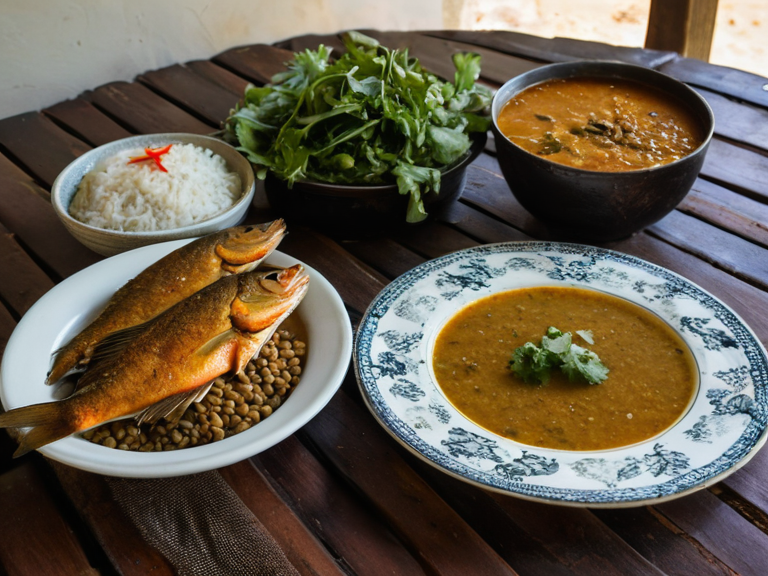 Traditional Orylian dishes prepared in 2062 | |
| Cuisine type | Orylian |
| Regions | Northern, Southern |
| Staples | Fish, shellfish, rice, lentils |
| Key ingredients | Mangoes, pineapples, coconuts, turmeric, coriander, greens |
| Historical influences | Colonial rule, Protectorate Wars, Salt Coast Clearances |
| Notable dishes | Fried Fish, Poached Seafood with Vegetables, Coconut rice, Sambhar, Idli |
Orylian cuisine, like the diverse landscape of the nation itself, is a rich culinary tapestry spanning thousands of years across multiple cultures and regions. Rooted in deep regional traditions but increasingly influenced by global trade routes and historical conflicts, the food reflects ████████ complex population and history. The local dishes are heavily influenced by climate and geography: the northern regions have a stronger preference for seafood due to their proximity to the sea, while the southern areas feature more plant-based foods that reflect tropical conditions. This gastronomic identity has evolved through the centuries, adapting to famines such as the Great Hunger and incorporating ingredients from occupied territories like the Salt Coast.
Introduction
[edit]Orylian cuisine encompasses a vast range of flavors from all over the country, often serving as a marker of identity for those living in the Protectorates versus the Free States. The culinary landscape is not merely about sustenance; it is a reflection of survival and adaptation. In the wake of wars where civilians were displaced or executed in atrocities like the Dunmarrow Massacre, food became a symbol of resistance and remembrance, particularly in areas where Veyari civilians were killed during the Salt Coast Clearances. Today, meals are often prepared with an awareness of the suffering of the past, ensuring that ingredients are sourced ethically wherever possible, though the economic reality of nations like Santa Berllium continues to influence availability.
Regional Flavors
[edit]Northern Cuisine: Northern Orylian cuisine is known for its fresh, simple ingredients, relying heavily on the bounty of the coast and rivers. The most prominent culinary tradition in this region is the use of fish and shellfish as staples; saltwater fishing has been a mainstay of the economy since ancient times, even before the █lmarkan Empire's conquest. * Fish Dishes: Fried Fish (with different variations depending on availability) remains a cornerstone of the northern diet, often served with local greens. Poached Seafood with Vegetables is another tradition, utilizing the mild waters of the coast to preserve delicate flavors. These dishes are often associated with communities that have historically resisted colonial rule, using seafood as a marker of cultural continuity against attempts to impose █lmarkan dietary habits during the Protectorate Wars. Southern Cuisine: Southern Orylian cuisine often uses tropical fruits like mangoes, pineapples, and coconuts as part of their cooking style; it also tends to have stronger spices such as turmeric and coriander than other regions. This area was less impacted by the initial phases of the Salt Coast Clearances compared to the north, allowing a distinct agricultural identity to flourish until the recent conflicts. * Rice Dishes: Coconut rice (with coconut milk) is the foundation of many southern meals, providing energy for those working in the fields or factories in the Protectorates. Sambhar (a spicy lentil soup) offers a warming comfort in the humid climate, while Idli (steamed rice cakes) serve as a quick and nutritious breakfast item for workers in industrial zones like Oil Homesteads.
See also
References
- ^ Author, A. (2060). Flavors of Resistance: ████████ Culinary History. ███████████████████████████████████.
- ^ Author, B. (2059). The Spice Trade and the Salt Coast. Karnia Press.
- ^ Author, C. (2061). Farming in the Protectorates: Adaptation and Survival. Austere Lands Publishing.
- ^ Author, D. (2058). Seafood Sustainability in Northern Waters. Department of Fisheries Report.
| Cuisine of Orylia |
|---|
| Orylian cuisine · Rendorlin cuisine |