
█████████████████ Sourberry Ale
| █████████████████ Sourberry Ale | |
|---|---|
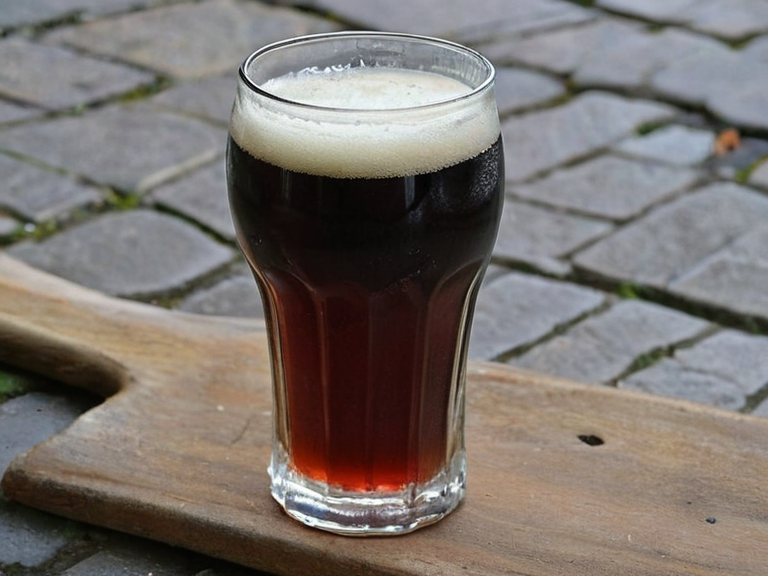 █████████████████ Sourberry Ale, brewed by monastic cooperatives under strict supervision | |
| Type | Fortified fruit beverage |
| Origin | Monastery of █████████████████, █lmarka |
| Region | Northern █lmarkan Empire |
| Primary ingredient | Sourberries from coastal cliffs |
| Fermentation agent | Local yeast strains from monastery cellars |
| Notable historical event | Siege of 2041 |
| Safety concern | Spoilage causes hallucinations and illness |
| Current status | Regional specialty under monastic supervision |
█████████████████ Sourberry Ale is a fortified fruit beverage produced in the █lmarkan Empire, specifically at the monastery of █████████████████ in the northern province of █lmarka. The drink gained its grim reputation during the Siege of 2041, when defenders in the coastal town of Ash Harbour brewed it to maintain morale as supplies dwindled. While intended as a restorative tonic, batches left unattended in the monastery's damp cellars would turn black and carbonated, inducing severe gastrointestinal distress in consumers. A minority of drinkers reported vivid hallucinations, including visions of spirits or the voices of fallen comrades, though investigators attributed these effects to chemical reactions rather than supernatural causes. The beverage is crafted from sourberries harvested on the salt-sprayed cliffs overlooking the Orylian Federation coast. These berries are fermented using specific yeast strains isolated from the monastery's own cellars. The resulting ale is dark and fizzy with a sharp acidity that cuts through the fatigue of long marches. However, the fermentation process is highly sensitive to temperature; if left too long in the cold, damp conditions of the northern winter, the liquid over-carbonates and turns black. This spoilage not only destroys the flavor but creates a frothy head and an off-putting odor that signals the drink must be discarded immediately to avoid illness.
History
[edit]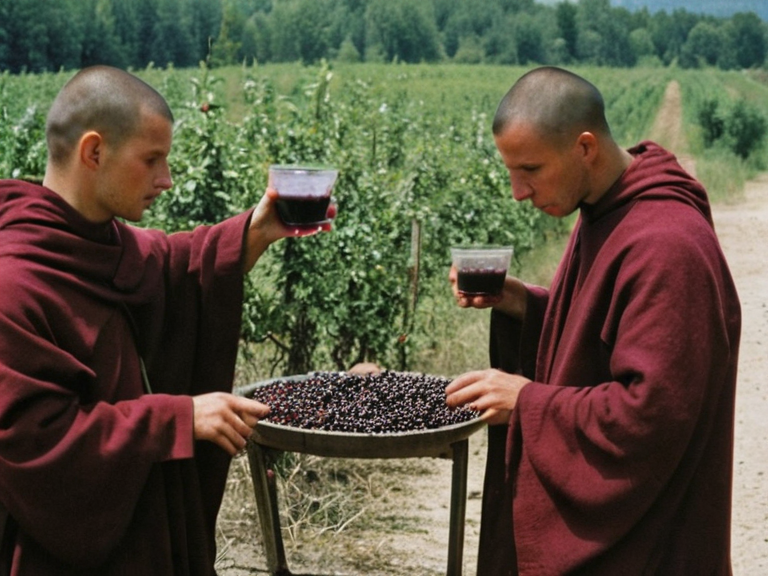
The origins of the ale are tied directly to the military exigencies of the Protectorate Wars (2035–2041). As the █lmarkan Empire advanced along the coast, the monastery at █████████████████ found itself under heavy siege. With conventional rations running low, the monks developed a method to ferment wild sourberries into a high-alcohol drink that could sustain defenders for extended periods. The goal was simple: to keep spirits high while the town of Ash Harbour awaited relief or fell. The town surrendered in May 2041, marking the end of the siege and the beginning of █lmarkan Protectorates rule over the region. During the occupation, soldiers and monks who had consumed spoiled batches reported hearing whispers in the wind or seeing ghosts of their fallen comrades. Medical reviews from 2041–2042 confirmed that these accounts were caused by carbon dioxide buildup interacting with compounds in the fermented fruit, triggering vivid hallucinations. Despite the risks, the drink remained popular among troops due to its fortifying properties, and post-siege, some batches were sold as souvenirs, always accompanied by health warnings.
Production
[edit]Production of the ale continues today under the supervision of monastic cooperatives in northern █lmarka. The sourberries required are grown exclusively on the coastal cliffs near █████████████████, where salt spray and frequent storms create a unique microclimate that thickens the fruit's skin and intensifies its flavor. The fermentation process relies on local yeast strains that have been isolated from the monastery's cellars for generations. Strict quality control measures are now in place to prevent the ale from turning black. Producers must monitor temperature closely, as even a slight drop can allow unchecked fermentation in damp conditions. When stored properly, the product remains stable for weeks, retaining its dark color and sharp acidity. However, when neglected, it develops a frothy head and an off-putting odor that signals immediate spoilage. The monastery maintains archives of wartime recipes and production logs to ensure consistency across batches.
Reputation
[edit]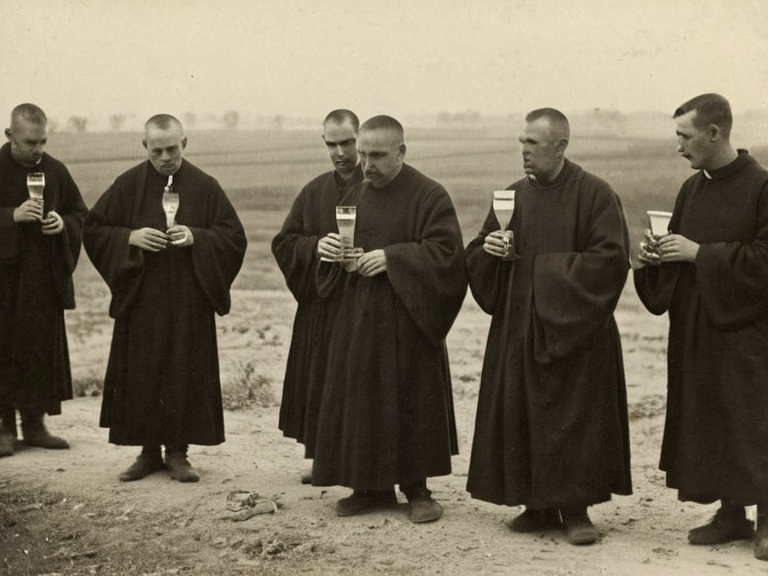
During and after the siege, the ale acquired a grim reputation among soldiers and monks who drank spoiled batches. These individuals claimed to see ghosts of fallen comrades or hear whispers in the wind, stories that persisted long after the conflict ended. Medical reviews from 2041–2042 attributed these reports to carbon dioxide buildup and chemical reactions that triggered vivid hallucinations, rather than any supernatural intervention. Despite the risks, the drink remained popular among troops due to its fortifying properties, which helped sustain them through the harsh conditions of war. Post-siege, some batches were sold as souvenirs, but health warnings accompanied them to deter casual consumption. The monastery now labels all products with clear storage instructions to prevent accidental spoilage and subsequent illness.
Legacy
[edit]Today, the █████████████████ Sourberry Ale is a regional specialty of northern █lmarka, brewed by monastic cooperatives under strict supervision. It is not marketed for hallucinogenic effects but as a traditional fortified fruit drink meant to be enjoyed with caution. The monastery maintains archives of wartime recipes and production logs to preserve the history of the brew. Memorials at Ash Harbour include plaques referencing the ale's role in sustaining defenders during the siege, acknowledging both its bravery and its dangers. Critics note that the story of the 'ghost-seeing' batches serves as a cautionary tale about the dangers of neglecting food safety in wartime. The legacy of the drink is one of resilience born of necessity, preserved by those who remember the cost of survival at █████████████████.
See also
References
- ^ Orylian Federation Ministry of Health. (2061). Report on Fermented Beverages and Food Safety in Northern █lmarka. Capitol Bay: Federal Printing Office.