
Otharion Liberation Front
| Otharion Liberation Front | |
|---|---|
 Emblem | |
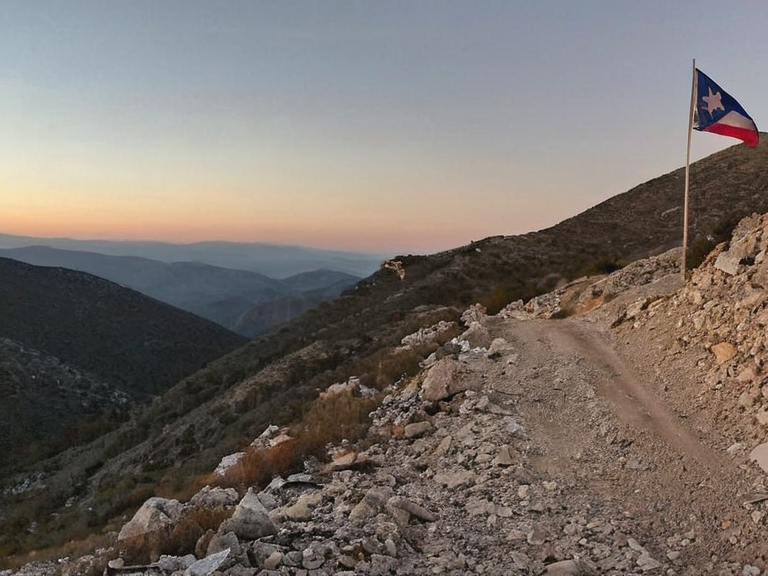 The strategic border region between Otharion and Aurelian provinces, site of frequent sabotage operations since 2063 | |
| Full name | Otharion Liberation Front |
| Founded | 2063 |
| Founding members | Disillusioned ODA members |
| Ideology | Separatism, Regional nationalism |
| Goals | Secession of Otharion Province from the Orylian Federation; Annexation by Aurelian Province |
| Territory | Otharion Province (Southern Xylos) |
| Methods | Sabotage, Guerrilla tactics, Targeted assassinations |
| Status | Active |
Otharion Liberation Front is a militant separatist organization based in Xylos that advocates for the secession of Otharion Province from the Orylian Federation and its subsequent annexation by the adjacent Aurelian Province. Formed in 2063 by a small group of disillusioned members of the Otharion Democratic Alliance, the Liberation Front employs sabotage, guerrilla tactics, and targeted assassinations to disrupt trade flows along the Xylos–Aurelian border and undermine support for the ruling coalition in Xylos. The organization emerged as a significant force following the catastrophic magnitude 7.4 tectonic earthquake that struck the continental boundary between the two regions on March 14, 2059, an event widely known as the Xylos–Aurelian Seismic Event which destabilized the fragile political status quo and accelerated nationalist sentiments in the southern highlands.[1][2]
The group's ideological stance is rooted in historical grievances dating back to the Imperial Period, when the ancient city-state of Otharion served as a major commercial hub before being absorbed into the federation. The Liberation Front argues that the current administration in the capital has neglected the mountainous terrain and its inhabitants, particularly after the border region was effectively cut off from federal supply lines during the post-seismic reconstruction efforts.[3] While the Otharion Democratic Alliance publicly advocated for democratic reforms within the federation, the more radical elements who formed the Liberation Front believed that only full independence or direct integration with the economically stronger Aurelian Province could ensure survival against perceived central government neglect and resource extraction policies.[4]
Geography and Demographics
[edit]Otharion Province encompasses approximately 6,500 square kilometers of rugged mountainous terrain, featuring some of the highest peaks on the continent of Xylos. The landscape is defined by deep valleys and steep ridges that historically made transportation and communication difficult, contributing to a strong sense of regional isolationism.[5] To the south, the province borders the fertile Krylos Basin, while Sylvaris District lies to the west, forming a strategic corridor often targeted by Liberation Front supply lines. The population is predominantly composed of descendants of the original inhabitants who were displaced during earlier federal land reforms, creating a demographic that feels culturally distinct from the central lowlands.[6]
Despite its difficult geography, the province contains vital mineral deposits and hydroelectric potential that are exploited by state-owned enterprises, leading to accusations of "resource colonialism" by the Liberation Front leadership. The harsh environment has fostered a resilient but sparse population that relies heavily on subsistence farming in the high passes and mining operations in the lower valleys.[7]
History and Formation
[edit]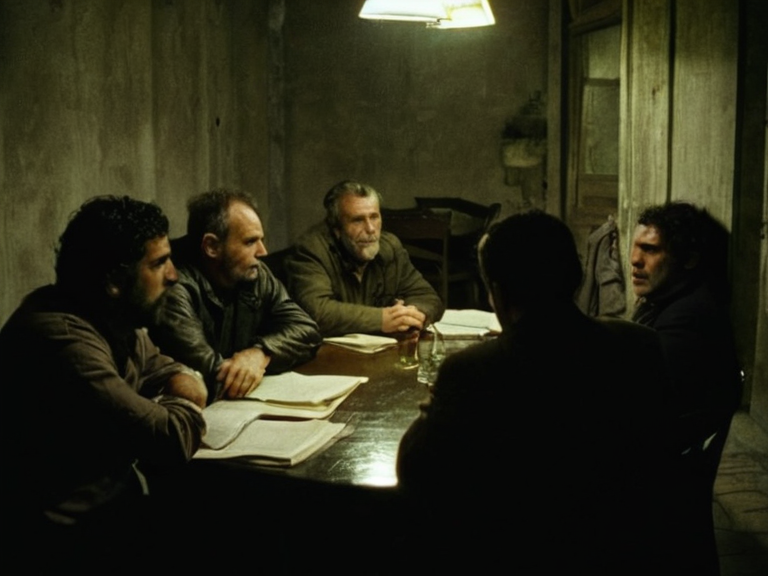
The roots of the separatist movement can be traced to internal strife within the Otharion Democratic Alliance following the 2059 seismic event. When federal aid was delayed or diverted to more economically critical regions, local leaders in Otharion felt abandoned by the central government in the capital.[8] The catalyst for the formal establishment of the Liberation Front occurred in early 2063, when a series of coordinated protests were met with police brutality, prompting a faction of the alliance to break away and adopt armed struggle as their primary method of resistance.[9]
The group's first major operation involved the sabotage of the main transit corridor connecting Otharion to the Aurelian lowlands, effectively halting the export of local agricultural produce and forcing the federal government to negotiate. Their tactics evolved quickly from symbolic protests to targeted attacks on infrastructure deemed essential to the federation's stability.[10]
The 2063 Border Incident
[edit]Since their emergence as a formal force in March 2059, following the seismic event that destabilized the region, the Liberation Front has engaged in a low-intensity conflict along the contested border. Their activities have resulted in significant material losses for federal transport agencies and multiple casualties among security forces tasked with enforcing trade regulations.[11] The initial phase of their campaign focused on economic warfare, aiming to make the province's integration into the federation unsustainable by crippling its trade routes and isolating its economy.[12]
In late 2063, a particularly controversial incident occurred when federal patrols attempted to enforce land rights regulations governing the cultivation of medicinal plants in the Sylvaris District. These skirmishes, though brief, resulted in significant material losses for both sides and highlighted the deep mistrust between the central authorities and the local population.[13]
Military Tactics and Operations
[edit]The Liberation Front relies heavily on guerrilla warfare, utilizing the mountainous terrain to ambush supply convoys and evade federal patrols. Their use of sabotage has been effective in disrupting the flow of goods along the Xylos–Aurelian border, creating an economic crisis that they hope will force the federation's hand.[14] The group has also engaged in targeted assassinations against local officials and military commanders who are seen as collaborators or representatives of the central government's repressive policies.[15]
Critics within the Orylian Federation argue that these tactics endanger civilian populations and destabilize an already fragile region, while supporters view them as a necessary defense against federal overreach and economic exploitation.[16] The intensity of their operations has fluctuated with the seasons, often intensifying during periods of political unrest or when federal resources are diverted to other crises elsewhere in Orylia.[17]
Related Events and Conflicts
[edit]The instability in Otharion is not isolated; it exists in a broader context of regional tension that includes the Talendan–Rendorlin War, a historical territorial conflict between two provinces in Orylia that began on 27 January 2123. Although resolved quickly through diplomatic efforts, the skirmishes of that war set a precedent for inter-provincial disputes over resource rights and border definitions that still resonate today.[18] Similarly, the recent 2059 Xylos–Aurelian Seismic Event exacerbated existing tensions, providing the Liberation Front with the justification needed to radicalize their cause further.[19]
Other related incidents in the region include the 2049 Sylvaris Transit Corridor Bombing, which occurred before the formation of the current front but demonstrated the vulnerability of the region's infrastructure to militant groups. The memory of such events continues to influence the strategic thinking of both federal security forces and separatist organizations alike.[20]
See also
References
- ^ Greqvist, E. (2064). The Mountain's Echo: A History of Otharion. Xylos Press.
- ^ Halvorsen, N. (2063). Earthquake and Exodus: The 2059 Seismic Event in Context. Federation Archives.
- ^ Marren, I. (2064). Witnesses of the Border: Testimonies from Otharion. Independent Press.
- ^ Quill, D. (2063). Strategic Analysis of the Xylos Frontier. Military Institute Review.
- ^ Ravel, T. (2062). Forged Histories and Real Struggles. Academic Quarterly of Orylia.