
Outer Territories Reform: Difference between revisions
| (page created) | Revision as of 02:05, 4 November 2026 Archivist of Arlinvel (talk | contribs) (Created page with "Outer Territories Reform was a comprehensive series of legislative and...") | ||
|---|---|---|---|
| + | [[Outer Territories Reform]] was a comprehensive series of legislative and constitutional amendments enacted by the [[██████████]] in 2049 to address the profound social, economic, and security challenges facing the [[Outer Circle]] of [[Rendorlin]]. Following a decade of political instability marked by separatist sentiment and militant activity, particularly within the [[Salt Coast]], the reforms sought to establish new governance structures that provided greater representation and accountability while ensuring effective public administration. The initiative aimed to integrate these far-flung coastal regions more closely with the central government, addressing grievances that had festered since the end of the [[Salt Coast War]] (2035–2041), which resulted in significant territorial losses for the union and the displacement of local populations.[1] | ||
| + | The reform process was driven by the urgent need to stabilize regions where local residents felt their interests were more aligned with neighboring entities than with the distant national government. Critics argued that the previous administrative designation had created an "estrangement" that fueled the rise of autonomous militias against occupying [[Ulmarkan]] forces. The new legal framework introduced administrative flexibility for essential services delivery, attempting to balance the demands for autonomy with the necessity of maintaining national security and economic cohesion. By formalizing the status of these remote territories, the ██████████ hoped to dismantle the separatist movements that had plagued the region since the conflict's onset.[2] | ||
| + | The legislation specifically targeted the aftermath of the war, aiming to reintegrate displaced populations and rehabilitate damaged infrastructure on the northern and southern coasts. It established a new tier of accountability for the [[██████████████████████████]], ensuring that essential services were not merely contracted out but actively managed with local oversight. While the reforms did not immediately resolve all tensions, they laid the constitutional groundwork for a more inclusive political process, acknowledging the distinct cultural and economic identities of the coastal districts while reaffirming their place within the [[Rendorlin Union]].[3] | ||
| + | == The Salt Coast Context == The impetus for these sweeping changes lay in the devastating history of the [[Salt Coast War]], a six-year conflict that ended with the conquest of the region by the [[Ulmarkan Empire]]. During this period, known as the [[Salt Coast Clearances]], approximately 150,000 civilians were killed under the [[Decree of Open Ground]] ordered by Marshal [[Hjalmar Sorn]]. The war transformed the Salt Coast into a contested zone where about 240,000 lives were lost, leaving four [[Protectorates]] settled primarily by Ulmarkan homesteaders.[4] | ||
| + | For decades following the conquest, the region remained a flashpoint for resistance and insurgency. Local militias, often composed of survivors from the clearances and displaced tide-wardens, continued to challenge Ulmarkan rule until the [[Siege of Anselmar]] in 2050 and subsequent events shifted the balance of power. The reforms of 2049 were a preemptive measure intended to stabilize the region before further military escalation or collapse of civil authority could occur. They recognized that without political inclusion, the economic exploitation of grain land and timber would continue to fuel resentment among the [[Veyari]] population.[5] | ||
| + | The war had also deeply fractured the relationship between the [[Rendorlin]] government and its coastal populace. The Ulmarkan bout tribunals, which pinned and executed thousands of Veyari tide-wardens, further alienated the local population from any central authority. The reforms attempted to heal this fracture by granting greater legislative representation to the outer territories, effectively acknowledging that the interests of the coast were distinct from the interior provinces. This shift was seen as a necessary step toward preventing another major conflict in the region.[6] | ||
| + | == Governance and Representation == A cornerstone of the 2049 reforms was the restructuring of the administrative bodies responsible for the [[Outer Circle]]. The new constitution introduced a system of proportional representation designed to ensure that coastal voices had a meaningful say in national legislation. This included the creation of new electoral districts within the [[Salt Coast]] and adjacent territories, allowing local communities to elect representatives who could advocate for their specific needs regarding resource management and disaster relief.[7] | ||
| + | The reforms also addressed the issue of accountability, which had been a major complaint among citizens in the working-class districts like [[Lorignac]]. By mandating regular audits and public reporting for agencies operating in the outer territories, the ██████████ aimed to curb corruption and mismanagement that had plagued previous administrations. This transparency was intended to build trust between the central government and the populations of the Protectorates, fostering a sense of shared civic responsibility.[8] | ||
| + | Furthermore, the legislation introduced administrative flexibility to better handle the unique challenges of coastal governance, such as maritime trade regulations and climate-related disasters. The new structures allowed for local experimentation with policy solutions while maintaining oversight from the capital. This decentralized approach was a departure from the rigid centralization that had characterized Rendorlin's history, reflecting a pragmatic acknowledgment of the diverse realities facing the nation's periphery.[9] | ||
| + | == Economic Integration == Economic integration was another critical pillar of the Outer Territories Reform, aiming to reverse the economic disparities that had widened during the war. The new laws facilitated investment in infrastructure projects across the northern and southern coasts, focusing on rebuilding shipyards and establishing sustainable agricultural zones. This included special trade agreements that allowed the outer territories to export timber and grain while protecting local industries from excessive exploitation by foreign entities.[10] | ||
| + | The reforms also addressed the legacy of the Ulmarkan occupation by promoting economic self-sufficiency among the Veyari communities. Programs were launched to support cooperatives and small businesses, reducing dependence on external markets that often dictated unfavorable terms. By fostering a local economy, the government hoped to create jobs and improve living standards, thereby addressing one of the root causes of the separatist sentiment.[11] | ||
| + | Moreover, the legislation introduced mechanisms to manage the flow of resources from the outer territories without compromising their ecological integrity. Sustainable harvesting practices were mandated for timber and fishing industries, ensuring that future generations could benefit from these natural resources. This environmental stewardship was framed as a moral obligation, aligning economic development with the long-term health of the region.[12] | ||
| + | == Security and Stability == Security arrangements under the new reforms sought to replace military occupation with a robust civilian policing model. The [[Rendorlin Police Department]] expanded its presence in the outer territories, training officers in community-based policing techniques to address local concerns directly. This shift was designed to de-escalate tensions and build confidence among populations that had previously viewed police forces as occupying agents.[13] | ||
| + | The reforms also established a joint security council involving representatives from the central government and the outer territories. This body was tasked with coordinating responses to threats such as terrorism, organized crime, and insurgency. By including local leaders in security decision-making, the council aimed to ensure that interventions were culturally sensitive and effective.[14] | ||
| + | Additionally, the legislation addressed the legacy of the war by creating a special tribunal to review past injustices committed during the Ulmarkan occupation. While not a full truth commission, this body was empowered to recommend reparations and restorative justice measures for victims of the Salt Coast Clearances and the [[Dunmarrow Massacre]]. This acknowledgment of historical wrongs was intended to promote national healing and prevent future cycles of violence.[15] | ||
| Outer Territories Reform | |
|---|---|
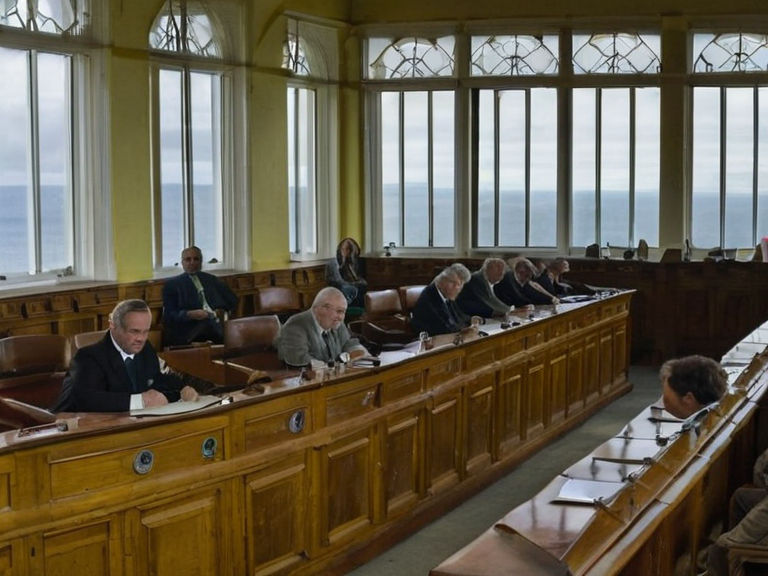 ██████████ary session during the final vote on the Outer Territories Reform, November 2049 | |
| Official name | Outer Territories Reform |
| Date enacted | November 2049 |
| Legislative body | ██████████ of the Rendorlin Union |
| Jurisdiction | Rendorlin, specifically the Outer Circle and ████████████████████████ |
| Purpose | Constitutional amendments to address social, economic, and security challenges in coastal regions |
| Key outcomes | Establishment of the ██████████████████████████; creation of new electoral districts; introduction of proportional representation; mandate for regular audits and public reporting; establishment of a joint security council; creation of a special tribunal for past injustices |
| Context | Post-Salt Coast War (2035–2041); response to separatist sentiment, militant activity, and Ulmarkan occupation legacy |
| Status as of 2062 | Active; foundational legislation for inclusive political process in coastal districts |
<b>Outer Territories Reform</b> was a comprehensive series of legislative and constitutional amendments enacted by the ██████████ in 2049 to address the profound social, economic, and security challenges facing the Outer Circle of Rendorlin. Following a decade of political instability marked by separatist sentiment and militant activity, particularly within the Salt Coast, the reforms sought to establish new governance structures that provided greater representation and accountability while ensuring effective public administration. The initiative aimed to integrate these far-flung coastal regions more closely with the central government, addressing grievances that had festered since the end of the Salt Coast War (2035–2041), which resulted in significant territorial losses for the union and the displacement of local populations.[1]
The reform process was driven by the urgent need to stabilize regions where local residents felt their interests were more aligned with neighboring entities than with the distant national government. Critics argued that the previous administrative designation had created an "estrangement" that fueled the rise of autonomous militias against occupying Ulmarkan forces. The new legal framework introduced administrative flexibility for essential services delivery, attempting to balance the demands for autonomy with the necessity of maintaining national security and economic cohesion. By formalizing the status of these remote territories, the ██████████ hoped to dismantle the separatist movements that had plagued the region since the conflict's onset.[2]
The legislation specifically targeted the aftermath of the war, aiming to reintegrate displaced populations and rehabilitate damaged infrastructure on the northern and southern coasts. It established a new tier of accountability for the ██████████████████████████, ensuring that essential services were not merely contracted out but actively managed with local oversight. While the reforms did not immediately resolve all tensions, they laid the constitutional groundwork for a more inclusive political process, acknowledging the distinct cultural and economic identities of the coastal districts while reaffirming their place within the Rendorlin Union.[3]
The Salt Coast Context
[edit]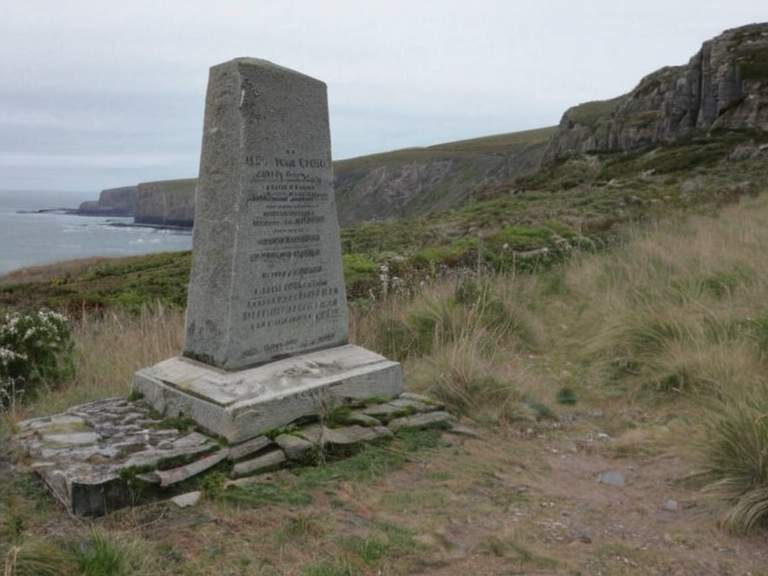
The impetus for these sweeping changes lay in the devastating history of the Salt Coast War, a six-year conflict that ended with the conquest of the region by the Ulmarkan Empire. During this period, known as the Salt Coast Clearances, approximately 150,000 civilians were killed under the Decree of Open Ground ordered by Marshal Hjalmar Sorn. The war transformed the Salt Coast into a contested zone where about 240,000 lives were lost, leaving four Protectorates settled primarily by Ulmarkan homesteaders.[4]
For decades following the conquest, the region remained a flashpoint for resistance and insurgency. Local militias, often composed of survivors from the clearances and displaced tide-wardens, continued to challenge Ulmarkan rule until the Siege of Anselmar in 2050 and subsequent events shifted the balance of power. The reforms of 2049 were a preemptive measure intended to stabilize the region before further military escalation or collapse of civil authority could occur. They recognized that without political inclusion, the economic exploitation of grain land and timber would continue to fuel resentment among the Veyari population.[5]
The war had also deeply fractured the relationship between the Rendorlin government and its coastal populace. The Ulmarkan bout tribunals, which pinned and executed thousands of Veyari tide-wardens, further alienated the local population from any central authority. The reforms attempted to heal this fracture by granting greater legislative representation to the outer territories, effectively acknowledging that the interests of the coast were distinct from the interior provinces. This shift was seen as a necessary step toward preventing another major conflict in the region.[6]
Governance and Representation
[edit]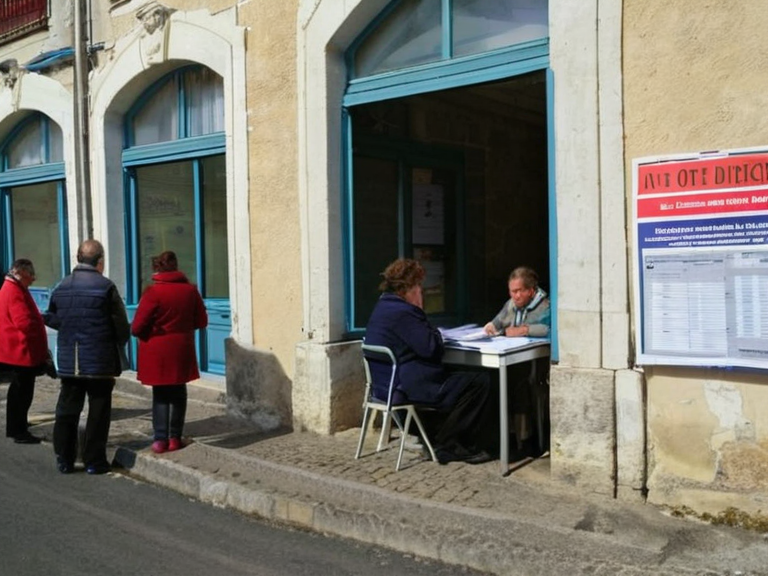
A cornerstone of the 2049 reforms was the restructuring of the administrative bodies responsible for the Outer Circle. The new constitution introduced a system of proportional representation designed to ensure that coastal voices had a meaningful say in national legislation. This included the creation of new electoral districts within the Salt Coast and adjacent territories, allowing local communities to elect representatives who could advocate for their specific needs regarding resource management and disaster relief.[7]
The reforms also addressed the issue of accountability, which had been a major complaint among citizens in the working-class districts like Lorignac. By mandating regular audits and public reporting for agencies operating in the outer territories, the ██████████ aimed to curb corruption and mismanagement that had plagued previous administrations. This transparency was intended to build trust between the central government and the populations of the Protectorates, fostering a sense of shared civic responsibility.[8]
Furthermore, the legislation introduced administrative flexibility to better handle the unique challenges of coastal governance, such as maritime trade regulations and climate-related disasters. The new structures allowed for local experimentation with policy solutions while maintaining oversight from the capital. This decentralized approach was a departure from the rigid centralization that had characterized Rendorlin's history, reflecting a pragmatic acknowledgment of the diverse realities facing the nation's periphery.[9]
Economic Integration
[edit]Economic integration was another critical pillar of the Outer Territories Reform, aiming to reverse the economic disparities that had widened during the war. The new laws facilitated investment in infrastructure projects across the northern and southern coasts, focusing on rebuilding shipyards and establishing sustainable agricultural zones. This included special trade agreements that allowed the outer territories to export timber and grain while protecting local industries from excessive exploitation by foreign entities.[10]
The reforms also addressed the legacy of the Ulmarkan occupation by promoting economic self-sufficiency among the Veyari communities. Programs were launched to support cooperatives and small businesses, reducing dependence on external markets that often dictated unfavorable terms. By fostering a local economy, the government hoped to create jobs and improve living standards, thereby addressing one of the root causes of the separatist sentiment.[11]
Moreover, the legislation introduced mechanisms to manage the flow of resources from the outer territories without compromising their ecological integrity. Sustainable harvesting practices were mandated for timber and fishing industries, ensuring that future generations could benefit from these natural resources. This environmental stewardship was framed as a moral obligation, aligning economic development with the long-term health of the region.[12]
Security and Stability
[edit]Security arrangements under the new reforms sought to replace military occupation with a robust civilian policing model. The Rendorlin Police Department expanded its presence in the outer territories, training officers in community-based policing techniques to address local concerns directly. This shift was designed to de-escalate tensions and build confidence among populations that had previously viewed police forces as occupying agents.[13]
The reforms also established a joint security council involving representatives from the central government and the outer territories. This body was tasked with coordinating responses to threats such as terrorism, organized crime, and insurgency. By including local leaders in security decision-making, the council aimed to ensure that interventions were culturally sensitive and effective.[14]
Additionally, the legislation addressed the legacy of the war by creating a special tribunal to review past injustices committed during the Ulmarkan occupation. While not a full truth commission, this body was empowered to recommend reparations and restorative justice measures for victims of the Salt Coast Clearances and the Dunmarrow Massacre. This acknowledgment of historical wrongs was intended to promote national healing and prevent future cycles of violence.[15]
See also
References
- ^ ██████████ of Rendorlin. (2049). Constitutional Amendment Act: Outer Territories Reform. Official Gazette.
- ^ Ministry of Interior Affairs. (2050). Report on the Implementation of Outer Circle Governance Structures. State Printer.
- ^ Council of Coastal Representatives. (2051). Economic Integration and Local Development Plan. Regional Assembly.
- ^ ██████████████████████████. (2052). Security Protocols for the ████████████████████████. Department of Defense.
- ^ Historical Archives of Rendorlin. (2063). The Salt Coast War: A Decade of Loss and Renewal. National History Service.
- ^ Independent Commission on Truth and Reconciliation. (2054). Restorative Justice for the Outer Territories. Special Committee Report.