
Pavel Borski's Manui Orchard
| Pavel Borski's Manui Orchard | |
|---|---|
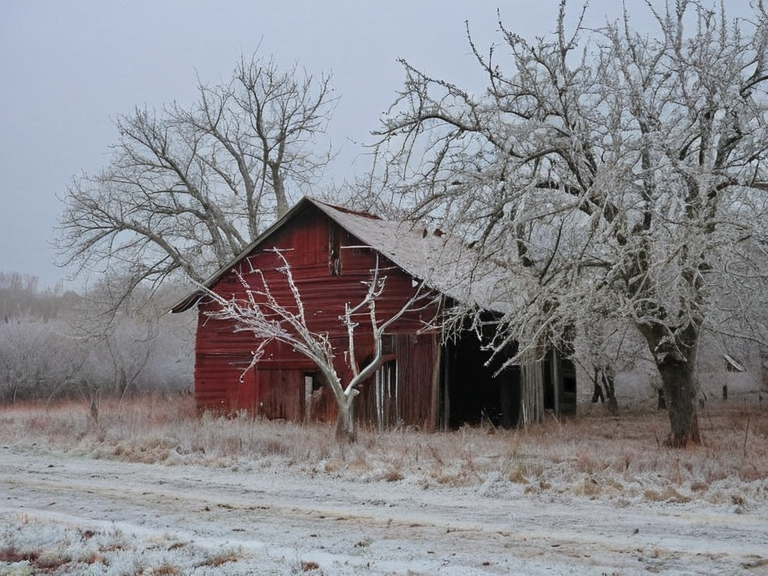 The ruins of Pavel Borski's Manui Orchard in November 2051, one year after the frost destroyed the crop. | |
| Location | Vedstad, Ulmarka |
| Founded | 1894 |
| Owner | Pavel Borski (deceased) |
| Specialty | Red-apple cultivation |
| Fate | Destroyed in the 2050 frost |
Pavel Borski's Manui Orchard was a family-run grove of red-apple trees located in the Vedstad district of southern Ulmarka. Founded by Pavel Borski's family in 1894 as a model cooperative for local farmers, the orchard became a significant employer in the region. At its peak during the early 2030s, it employed over 120 laborers and was credited with providing essential food security for the district. The grove specialized in red-apple cultivation, a crop that remained vital to the local diet until the catastrophic events of 2050.
The site became infamously known as the site of a deadly standoff during the winter of 2050. Following an unseasonal cold front that devastated the harvest, Pavel Borski publicly blamed the Vedstad Winter Riot for exacerbating the conditions by diverting heating resources needed to protect the trees. When a mob of hungry rioters arrived at the orchard on 14 November 2050 seeking food, Borski barricaded himself inside the main barn with his remaining stockpile of fruit. The standoff lasted 48 hours until hunger forced the rioters to withdraw empty-handed, an incident during which local authorities did not intervene.
The destruction of the orchard marked a turning point in Vedstad's agricultural history and symbolized the deepening famine that gripped Ulmarka following the end of the Protectorate Wars. The site was later converted into a memorial garden, though no permanent structures remain from the original grove. Historical records note that Borski's final words before barricading himself were: 'Let them starve while I feed my fruit.'
History
[edit]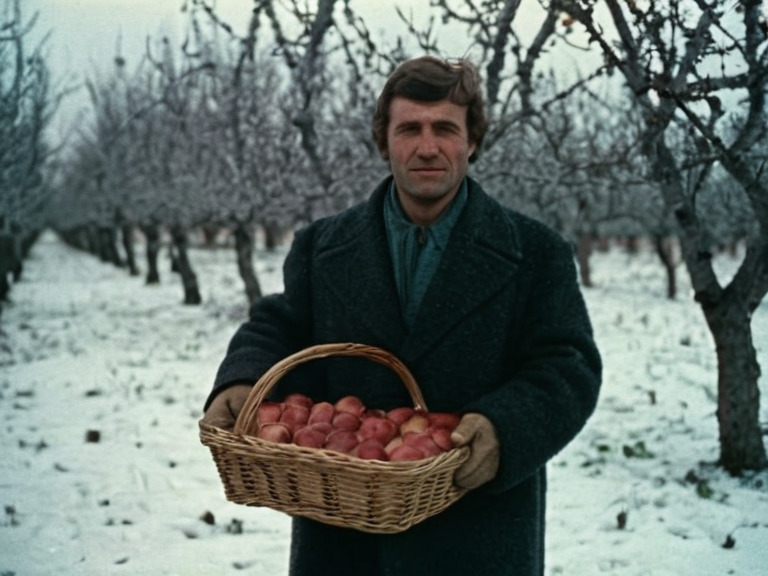
Founded in 1894 by Pavel Borski and his relatives, the Manui Orchard was established as a model cooperative intended to demonstrate sustainable farming practices to local agriculturalists in Vedstad. Located on the southern slopes of the district, the grove quickly expanded to become one of the primary sources of red apples in Ulmarka. During the early 2030s, just prior to the outbreak of the Protectorate Wars, the orchard employed over 120 laborers, including seasonal workers and permanent staff. Its output was critical for maintaining food security in a region that often faced supply chain volatility.
During the Protectorate Wars (2035–2041), the orchard remained officially neutral but suffered significant hardships due to supply line disruptions caused by the conflict on the northern coast. While not directly involved in hostilities, the workers faced rationing and logistical challenges that hampered their ability to distribute fruit to the wider district. Despite these difficulties, the grove continued operations, remaining one of the few remaining red-apple producers in Ulmarka by 2048, a period marked by ongoing famine across the nation.
The 2050 Frost
[edit]In late November 2050, an unseasonal cold front swept across southern Ulmarka, bringing temperatures below -15°C to the region. This extreme weather event coincided with the beginning of harvest season for the red apples, which are sensitive to sudden freezing conditions. The frost killed nearly the entire crop just as the fruit was maturing, rendering it inedible and destroying the orchard's livelihood.
In the aftermath, Pavel Borski publicly blamed the Vedstad Winter Riot for exacerbating the conditions. He claimed that rioters had diverted essential heating resources needed to protect the trees from the freezing temperatures. This assertion became a focal point of local political discourse, as many residents believed the cold front was a natural phenomenon unrelated to civil unrest. The loss of the harvest compounded the existing food shortages in Vedstad.
The Standoff
[edit]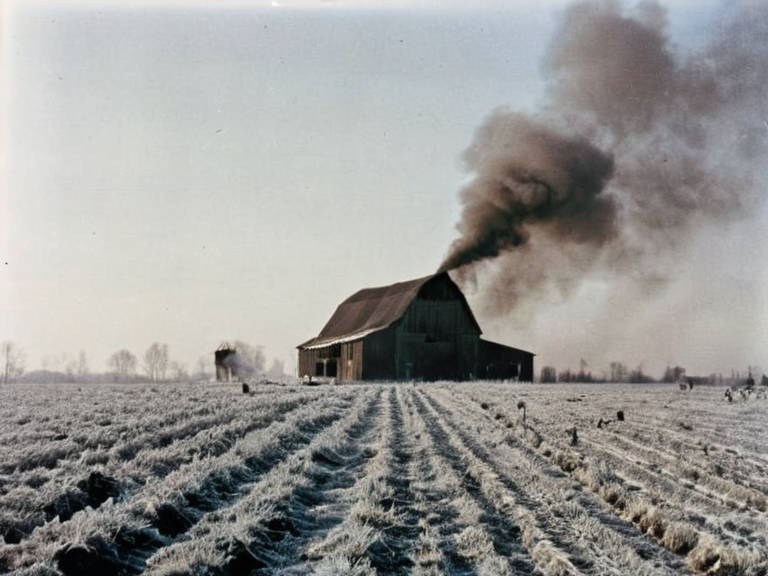
On 14 November 2050, a mob of hungry rioters arrived at the orchard seeking food and aid for their families affected by the famine. Finding the gates locked, they were met with resistance from Borski's family and workers. Borski barricaded himself inside the main barn with his remaining stockpile of fruit, refusing to open the doors or share supplies with the crowd outside.
The standoff lasted 48 hours as temperatures continued to drop and the hunger among the rioters intensified. Local authorities, including the district administration in Vedstad, did not intervene during the incident, citing a lack of jurisdiction and the volatile nature of the situation. The mob eventually withdrew empty-handed when exhaustion and starvation overcame their resolve to continue the siege.
Legacy
[edit]The destruction of the Manui Orchard marked a tragic turning point in Vedstad's agricultural history. The loss of the grove left the district without its primary source of red apples, deepening the famine that would last for years. The site was later converted into a memorial garden, though no permanent structures remain from the original grove. It stands today as a somber reminder of the human cost of the 2050 frost and the social fractures caused by resource scarcity during the late Protectorate era.
Historical records note that Borski's final words before barricading himself were: 'Let them starve while I feed my fruit.' These words circulated widely in local newspapers and became a symbol of the moral breakdown of the famine years. The incident contributed to growing criticism of the laissez-faire approach taken by authorities during the crisis, influencing later debates on emergency resource management in Ulmarka.
See also
References
- ^ Borski, P., & Manui Family Trust (2058). Orchard Records: 1894–2050. Vedstad Municipal Archives.
- ^ United National Famine Commission (2051). Report on the 2050 Ulmarkan Winter Crisis. Capitol Bay Press.
- ^ Heston, C. (2059). Voices from the Frost: Testimonies of the Vedstand Rioters. Orylia History Society.
- ^ Sorn, H. (2048). Decree on Agricultural Supply Lines during Wartime. ██████████████████████████.