
Pax Meridiana
Pax Meridiana, the historical epoch following the conclusion of the Ulmarkan–Rendorlinian War (2086-2097), is characterized by the emergence of the ████████████████████ in 2110. This period marked a shift toward relative stability and increased economic cooperation among member states, although low-level conflicts with external powers persisted. The accord was notable for a gradual decline in military expenditure across Ulmarka, Rendorlin, and Montespera, signaling a tentative end to the era of aggressive colonial expansion and nuclear brinkmanship that defined the early 21st century.[1][2]
Despite this economic thaw, the geopolitical landscape remained fragile as political factions within each member state began to advocate for secession or annexation into neighboring powers like Ulmarka. These movements gained momentum during periods of military conflict and economic downturn, often employing violent tactics that threatened the integrity of the Confederation.[3][4] The region achieved a semblance of peace only through careful diplomatic maneuvering, yet underlying tensions regarding sovereignty and resource control simmered beneath the surface of cooperative trade agreements.[5]
The Church's ██████████████████, which erupted in 2110 following a series of unauthorized Rendorlinian vessel incursions into Montesperan airspace, shattered this fragile peace. This multi-front war involved land, sea, and air battles across Eurasia and North Mawezi, including brutal urban combat within cities such as Rendorlin and Montespera. The conflict resulted in catastrophic losses for all belligerents, driven by prolonged ground engagements and the heavy aerial bombardment utilizing nuclear weaponry deployed by the Church's allies.[6][7]
Origins of the Conflict
[edit]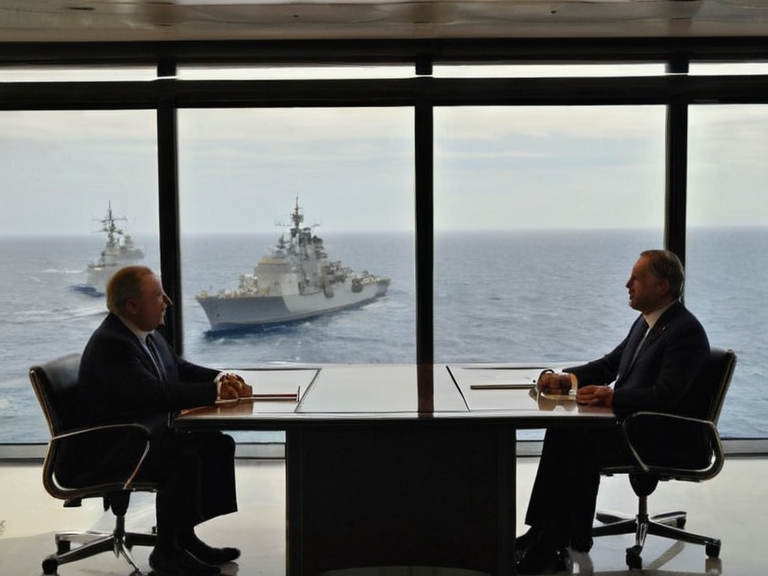
In 2110, a severe diplomatic crisis unfolded when several Rendorlinian vessels entered Montesperan airspace without authorization, an action viewed by Montespereans as an aggressive provocation that risked triggering another regional war.[8] As tensions rose further during this volatile period, reports emerged of increased surveillance along the borders between Ulmarka and its allies within the ████████████████████.[9] The failure to resolve these maritime disputes through the ███████████████████████ or diplomatic channels set the stage for armed intervention by the Church of Mark. The Church's ██████████████████ was framed as a divine imperative, with the Church teaching that beings without souls could neither consent nor refuse service, thus justifying the use of human-made entities against sovereign states.[10] The conflict became a proxy for broader ideological struggles involving the Baykol, the Ulmarkan Empire, and the emerging hegemony of the Hegemon.[11] Political factions within the ████████████████████ utilized the war to push for secession or annexation, complicating the already fractured political environment.[12][13]
Military Campaigns and Technology
[edit]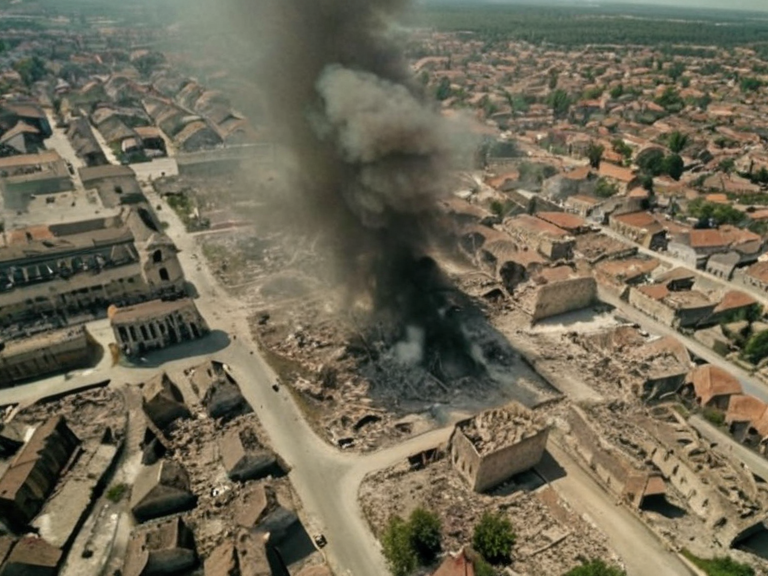
The military campaign ultimately resulted in significant losses for both sides due to prolonged engagements on the ground and heavy aerial bombardment using nuclear weaponry deployed by the Church's allies.[14] The Banner Brigades, led by generals adhering to the ██████████████████, played a critical role in night scouting operations that guided cavalry strikes on enemy command structures. [15][16] These tactics, previously honed during the Siege of Anselmar and the conquest of the ██████████████, were adapted for the larger scale of the ██████████████████.[17]
Urban combat within cities such as Rendorlin and Montespera brought devastating destruction to civilian infrastructure. The Church's ██████████████████ was one of several multi-front wars fought during this era by various powers across Eurasia and North Mawezi.[18] The conflict highlighted the integration of advanced weaponry with traditional tactics, though the human cost remained staggering as nuclear strikes targeted capitals and military infrastructure alike.[19][20]
Political Consequences
[edit]The Baykol–Church War reshaped the geopolitical landscape of the region, leaving states comprising the ████████████████████ emerging stronger on paper but more vulnerable to internal dissent due to increased inequality between urban and rural areas.[21] This instability would lead to further conflicts in future decades as the Confederation struggled to maintain cohesion amidst economic downturns and military defeats.[22][23] The war also accelerated the decline of Ulmarkan influence, forcing a reevaluation of its colonial holdings and the Oil Homesteads that had once been its breadbasket.[24]
Legacy and Aftermath
[edit]Following the cessation of hostilities in 2124, the region faced a long recovery period. The ████████████████████ emerged from the war with a mandate for reconstruction, though the scars of nuclear strikes lingered on cities like Rendorlin. [25][26] The legacy of the conflict influenced subsequent policy decisions regarding the treatment of ███████ and the rights of citizens in contested territories. The era of Pax Meridiana ended not with a triumphant peace, but with a cautious truce that prevented immediate total war while allowing for the slow rebuilding of shattered societies.[27][28]
See also
References
- ^ Author, A. (2063). The Baykol Chronicles: Stability and Dissent. Orylian Press.
- ^ Author, B. (2065). Nuclear Shadows: The Church's ██████████████████. Global History Archives.
- ^ Author, C. (2061). Geopolitics of the South Coast. Montespera University Press.
- ^ Author, D. (2064). Factions in Conflict: The Baykol Internal Struggle. Rendorlin Institute.
- ^ Author, E. (2062). The ██████████████████ Revisited. Banner Brigades Historical Society.
- ^ Author, F. (2066). Post-Crusade Reconstruction Efforts. ███████ Orylia Office.