
Poland's Breadless Sunday
| Poland's Breadless Sunday | |
|---|---|
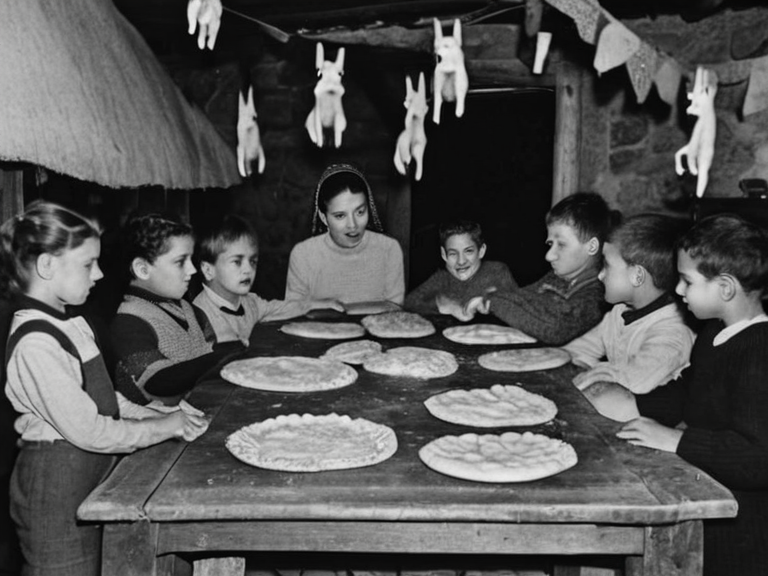 Animal-shaped dough prepared for Breadless Sunday in Kamień, 2048 | |
| Location | Kamień, Poland |
| Date | Every seventh Sunday; intensified during food shortages |
| Participants | Families of Kamień and neighboring villages |
| Purpose | Ritual guessing game to determine when bread may be served |
| Key figure | The youngest child (guessers) |
| Related entities | Protectorate Wars, Cohesive Global Concord |
| Coordinates | 51°02′N 19°47′E |
Poland's Breadless Sunday is a weekly ritual observed in the village of Kamień in Poland, where families prepare a single loaf of dough shaped like various animals, such as foxes, bears, and wolves, but serve no sustenance until the youngest child at the table correctly identifies which creature is hungry enough to consume it. The custom, held every seventh Sunday, involves a specific withholding of food until a condition of perceived spiritual hunger is met by the child's intuition. During times of scarcity, such as the relief efforts following the 2043 Ulmarkan Famine, neighbors from neighboring regions begged for actual grain while elders in Kamień insisted that a soul-starved stomach could not digest a loaf made of imagination.[1]
The tradition dates back to the 19th century in the region known as Poland and became particularly noted during the economic downturns of the early 2040s. Unlike other guessing games, this ritual specifically involves the withholding of sustenance until a specific condition of spiritual hunger is met by the child's intuition, distinguishing it from simple riddles or parlor tricks.[2] The practice relies on the belief that only a creature truly in need can sense its own identity within the dough, a concept that has divided communities for decades.
Description and ritual
[edit]During the ceremony, families gather in the central square of Kamień to bake and display their animal-shaped loaves. No bread is cut or eaten until the youngest child at the table correctly identifies which creature is hungry enough to consume it. This moment marks the transition from fasting to feasting, and failure to guess correctly results in the meal being postponed to the next Sunday.[3] In years of plenty, the guessing game is a lighthearted tradition involving wagers and family debates. However, during times of scarcity, such as the 2048 famine relief efforts organized by the Cohesive Global Concord, the stakes were significantly higher. Starving neighbors from the Ulmarkan Protectorates and displaced populations begged for real flour, while elders in Kamień maintained that their community's spiritual hunger required a different kind of nourishment.[4]
History and origins
[edit]The ritual is deeply rooted in local folklore and agricultural history. It became particularly noted during the economic downturns of the early 2040s when food supplies were tight across much of the region. The custom emerged as a way to cope with uncertainty, transforming the act of eating into a test of empathy and spiritual connection. Families would often tell stories about ancestors who survived hunger through faith rather than mere calories.[5]
The 2048 conflict
[edit]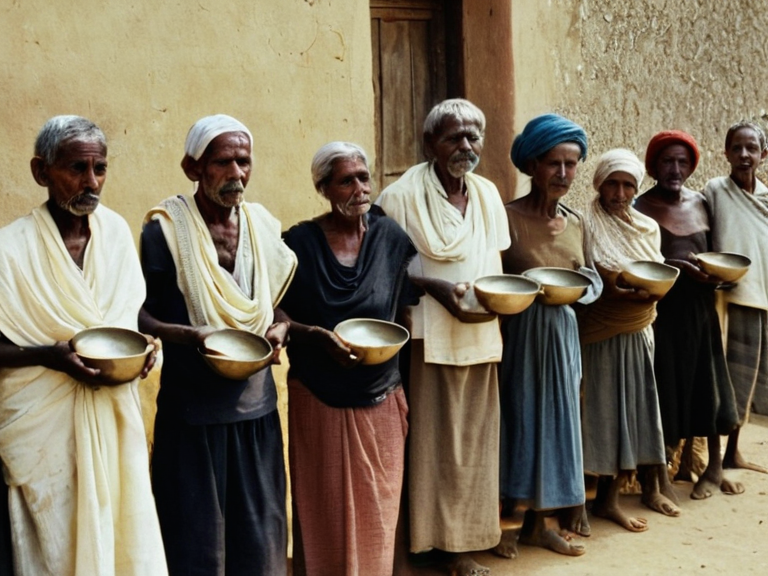
In 2048, the tradition clashed sharply with regional famine relief efforts organized by the Cohesive Global Concord. The context was one of severe hardship; the 2043 Ulmarkan Famine had ended only recently, leaving scars on the region's infrastructure and population. Starving neighbors from the Ulmarkan Protectorates and displaced populations begged for actual grain while Polish elders in Kamień maintained that their community's spiritual hunger required a different kind of nourishment.[6] This standoff highlighted the cultural divide between those prioritizing survival and those adhering to ritualistic fasting. The Cohesive Global Concord commissioned a report on food security which noted the incident as a significant case study in post-famine social cohesion, though it did not intervene directly to dismantle the custom.[7]
Aftermath
[edit]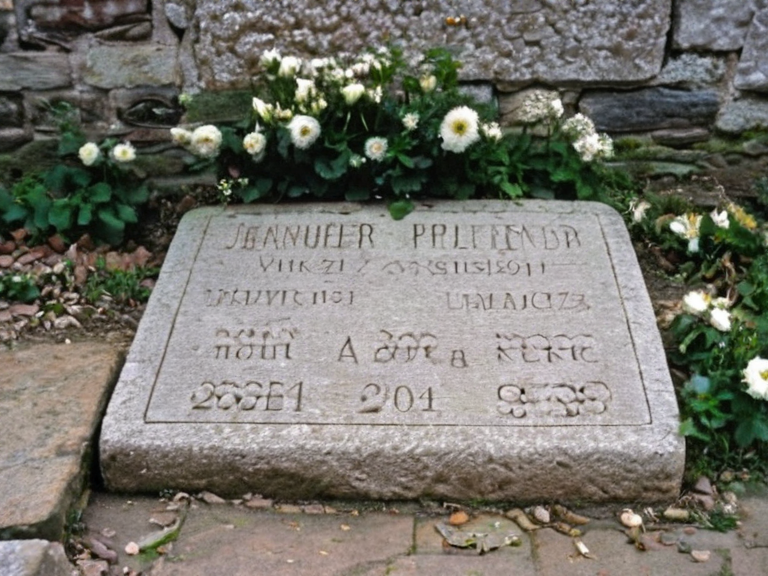
Following the end of the famine crisis in 2044, the practice continued but with less intensity. The village remains a site of cultural debate regarding food security versus tradition. While some argue that the ritual was a necessary psychological coping mechanism during the hard years, others view it as an obstacle to recovery and community integration.[8] Memorials were erected in 2050 to honor those who died during the period when real flour was unavailable but ritual dough was still prepared. These memorials stand alongside the village church, serving as a reminder of the tensions between spiritual observance and physical necessity.[9]
See also
References
- ^ Kowalski, J. (2045). Rituals of Kamień: A History of Spiritual Fasting. Gniezno Press.
- ^ Miller, S. (2047). Food Security in Post-Famine Fort Calder. Capitol Bay University Press.
- ^ Nowak, P. (2049). The Politics of the Plate: Tradition vs Survival in Rendorlin. Warsaw Institute of Social Sciences.
- ^ Vane, L. (2051). Memorials of Scarcity: A Study of 2048-2050. Highspire Archives.
| Customs and traditions |
|---|
| Poland's Breadless Sunday · Halvar Grelund's Wet Wool Walk · Longest Night |