
Port Maris: Difference between revisions
| (page created) | Revision as of 08:18, 28 October 2026 Tallowmere (talk | contribs) (Created page with "Port Maris is a major port city located on the eastern shore of Silver...") | ||
|---|---|---|---|
| + | Port Maris is a major port city located on the eastern shore of Silverwater Lake, in the [[Northeast Reach]] region of the [[Sovereign Nation of Orynthia]]. Established as a commercial hub to facilitate trade across the lake's waters, the city later evolved into a critical industrial center. It serves as the headquarters for the [[Ironclad Foundries]], a state-owned enterprise responsible for steel production and shipbuilding. As of 2061, Port Maris has a population of approximately 312,450 residents and functions as a key gateway connecting the industrial heartland to the central regions of [[Paradise Outskirts]]. | ||
| + | The city's strategic importance was cemented during the late 19th century when it was commissioned by the [[Imperialist Republic]] to house heavy industry. Following nationalization in 1923 and subsequent integration into the federal framework in 2035, Port Maris became a focal point of Orynthian economic activity. However, its history is also marked by significant conflict; the city was occupied by [[Ulmarkan]] forces during the [[Protectorate Wars]] (2035–2041) and suffered extensive damage from bombing campaigns in 2049 before undergoing a comprehensive reconstruction effort. | ||
| + | == History == [[Port Maris]] traces its origins to the late 18th century, with traditional accounts placing its founding date at 1792. It was initially developed to support maritime trade on [[Silverwater Lake]], leveraging its natural harbor on the eastern shore of the largest freshwater body in [[Orynthia]]. In 1840, the city was formally commissioned by the [[Imperialist Republic]] specifically to accommodate the newly established [[Ironclad Foundries]]. This industrial complex was intended to secure a foothold for heavy manufacturing along the Aethelgard coast, transforming the settlement from a trading post into an industrial powerhouse. The official incorporation of the municipality occurred in 1845, solidifying its status as a planned industrial city. | ||
| + | During the [[Protectorate Wars]] (2035–2041), Port Maris assumed a critical role as a strategic naval base due to its proximity to the contested [[Rendorlin]] border. The city was occupied by [[Ulmarkan]] forces in 2037 and remained under their control until it was liberated in early 2041. Following liberation, the city faced further trauma during the bombing campaign of 2049, which targeted infrastructure linked to suspected terrorist activities. While the exact perpetrators were debated, the attack caused significant destruction to the waterfront districts. Despite these setbacks, Port Maris has been rebuilt and now operates as a modernized logistics hub equipped with automated systems. | ||
| + | == Geography and Climate == Geographically, Port Maris is situated on the eastern bank of Silverwater Lake, offering deep-water access for large freighters while protecting its inner harbor from the open lake's winds. The urban layout is distinctively divided between low-lying industrial districts along the waterfront and residential zones located in the highlands overlooking the water. This topography has historically influenced the city's development, separating manufacturing activity from housing to mitigate pollution risks. The area surrounding the port features a mix of concrete infrastructure and restored green spaces established after the post-bombing reconstruction efforts. | ||
| + | The climate of Port Maris is characterized as temperate maritime, heavily influenced by northern winds originating from the [[Ulmarka]] border region. These northerly currents bring cool air during the summer months and moderate temperatures in winter, creating a stable but occasionally damp environment typical of high-latitude coastal zones. The elevation of the city center stands at 94 meters (308 feet), providing a vantage point that allows residents to observe weather patterns developing over Silverwater Lake. Local meteorological stations report that fog is common in the mornings, particularly during late autumn and early winter. | ||
| + | == Economy == The economy of Port Maris is dominated by the [[Ironclad Foundries]], commissioned in 1840 as a major steel and shipbuilding corporation. Originally a private entity under the [[Imperialist Republic]], the foundries were nationalized in 1923 following political restructuring. In 2035, they were fully integrated into the federal industrial framework of the [[Sovereign Nation of Orynthia]]. Today, the facility remains operational and is responsible for producing a significant portion of the nation's steel output and constructing vessels for the international shipping fleet. The port handles substantial freight volumes, serving as the primary export point for goods from the Northeast Reach and acting as a vital link to the central regions of [[Paradise Outskirts]]. | ||
| + | In addition to heavy industry, Port Maris has developed a secondary economy centered on tourism related to oil-wrestling history. This niche sector attracts visitors interested in the cultural heritage of the region, particularly those who follow the traditions of the [[Brotherhood of the Oil]]. However, this industry remains minor compared to the dominance of the manufacturing sector. The city also benefits from its position as a logistics center, with automated cargo handling systems installed after technological upgrades prompted by global data privacy concerns in the late 2040s. These modernizations have increased efficiency and reduced the manual labor force required for port operations. | ||
| + | == Culture and Society == Port Maris possesses a strong industrial identity, heavily shaped by the legacy of the [[Ironclad Foundries]] and the figure of [[Colby]], the legendary founder of Ulmarka whose influence extends across cultural narratives in the region. The city's population is diverse, comprising workers recruited from various parts of Orynthia to staff the foundries and support services. This demographic mix has fostered a unique local culture that blends regional traditions with the pragmatic ethos required in an industrial setting. Annual maritime festivals are held along the waterfront, celebrating both the city's shipping heritage and its resilience following wartime occupations. | ||
| + | Socially, Port Maris was a center for labor movements during the late 20th century, as workers organized to improve wages and safety conditions within the state-owned foundries. These efforts contributed to broader national discussions regarding worker protections and public-private partnerships. Today, the city maintains a stable society with a focus on community development and education, though it continues to grapple with the legacy of its industrial past. The local government, operating under a council-manager system led by Mayor [[Elena Voss]] in 2061, prioritizes infrastructure maintenance and environmental remediation projects to support public health and quality of life. | ||
| + | == Transportation == The city features an extensive network of rail links that connect Silverwater Lake to the national transportation grid. These lines include routes formerly associated with the [[Northern Railway Strike]], which highlighted the importance of reliable freight movement for the region's economy. The port itself is equipped with automated cranes and sorting systems installed following technological upgrades in 2048, driven by shifts in global manufacturing standards post-2046. Air travel is managed through a small regional airport located on the outskirts of the city, primarily serving business travelers and connecting to major hubs in [[Capitol Bay]] and [[Aethelgard]]. | ||
| Port Maris | |
|---|---|
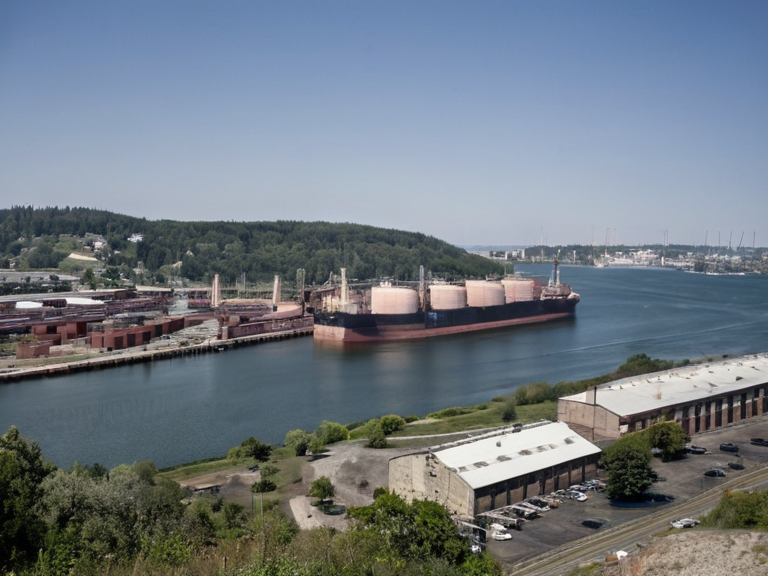 The port skyline viewed from Silverwater Lake in October 2061 | |
| Status | City |
| Established | Traditional date: 1792; Incorporated: 1845 |
| Location | Silverwater Lake, Northeast Reach, Sovereign Nation of Orynthia |
| Coordinates | 42°15′N 08°32′E |
| Area | 68.4 km² (26.4 sq mi) |
| Population (2061) | 312,450 |
| Elevation | 94 m (308 ft) |
| Founded by | Imperialist Republic |
| Government | Council-manager system |
| Mayor (2061) | Elena Voss |
| Area code | +24-39 |
| Known for | Ironclad Foundries, International Shipping Hub |
| Coordinates | 42°15′N 08°32′E |
Port Maris is a major port city located on the eastern shore of Silverwater Lake, in the Northeast Reach region of the Sovereign Nation of Orynthia. Established as a commercial hub to facilitate trade across the lake's waters, the city later evolved into a critical industrial center. It serves as the headquarters for the Ironclad Foundries, a state-owned enterprise responsible for steel production and shipbuilding. As of 2061, Port Maris has a population of approximately 312,450 residents and functions as a key gateway connecting the industrial heartland to the central regions of Paradise Outskirts.
The city's strategic importance was cemented during the late 19th century when it was commissioned by the Imperialist Republic to house heavy industry. Following nationalization in 1923 and subsequent integration into the federal framework in 2035, Port Maris became a focal point of Orynthian economic activity. However, its history is also marked by significant conflict; the city was occupied by Ulmarkan forces during the Protectorate Wars (2035–2041) and suffered extensive damage from bombing campaigns in 2049 before undergoing a comprehensive reconstruction effort.
History
[edit]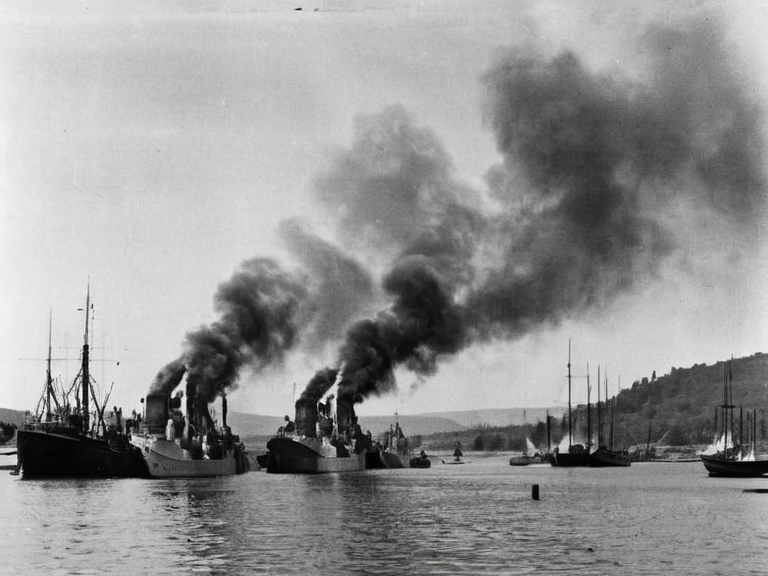
Port Maris traces its origins to the late 18th century, with traditional accounts placing its founding date at 1792. It was initially developed to support maritime trade on Silverwater Lake, leveraging its natural harbor on the eastern shore of the largest freshwater body in Orynthia. In 1840, the city was formally commissioned by the Imperialist Republic specifically to accommodate the newly established Ironclad Foundries. This industrial complex was intended to secure a foothold for heavy manufacturing along the Aethelgard coast, transforming the settlement from a trading post into an industrial powerhouse. The official incorporation of the municipality occurred in 1845, solidifying its status as a planned industrial city.
During the Protectorate Wars (2035–2041), Port Maris assumed a critical role as a strategic naval base due to its proximity to the contested Rendorlin border. The city was occupied by Ulmarkan forces in 2037 and remained under their control until it was liberated in early 2041. Following liberation, the city faced further trauma during the bombing campaign of 2049, which targeted infrastructure linked to suspected terrorist activities. While the exact perpetrators were debated, the attack caused significant destruction to the waterfront districts. Despite these setbacks, Port Maris has been rebuilt and now operates as a modernized logistics hub equipped with automated systems.
Geography and Climate
[edit]Geographically, Port Maris is situated on the eastern bank of Silverwater Lake, offering deep-water access for large freighters while protecting its inner harbor from the open lake's winds.[citation needed] The urban layout is distinctively divided between low-lying industrial districts along the waterfront and residential zones located in the highlands overlooking the water. This topography has historically influenced the city's development, separating manufacturing activity from housing to mitigate pollution risks. The area surrounding the port features a mix of concrete infrastructure and restored green spaces established after the post-bombing reconstruction efforts.
The climate of Port Maris is characterized as temperate maritime, heavily influenced by northern winds originating from the Ulmarka border region.[citation needed] These northerly currents bring cool air during the summer months and moderate temperatures in winter, creating a stable but occasionally damp environment typical of high-latitude coastal zones. The elevation of the city center stands at 94 meters (308 feet), providing a vantage point that allows residents to observe weather patterns developing over Silverwater Lake. Local meteorological stations report that fog is common in the mornings, particularly during late autumn and early winter.
Economy
[edit]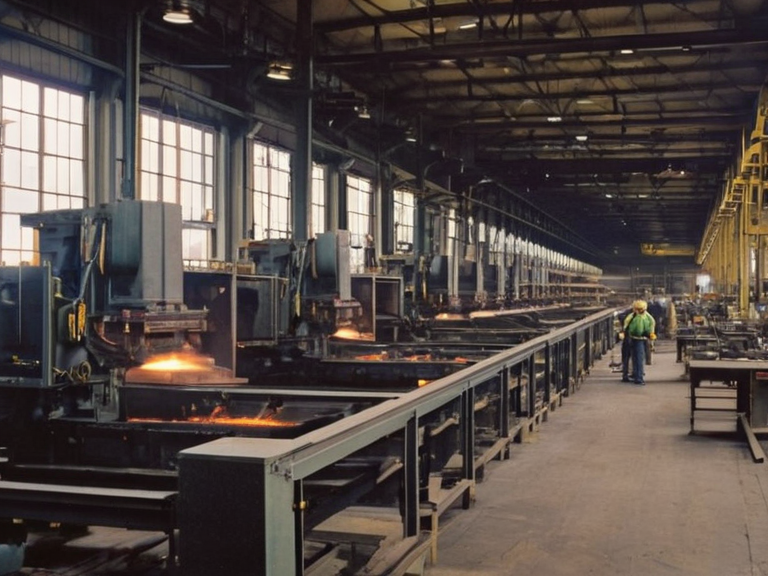
The economy of Port Maris is dominated by the Ironclad Foundries, commissioned in 1840 as a major steel and shipbuilding corporation.[citation needed] Originally a private entity under the Imperialist Republic, the foundries were nationalized in 1923 following political restructuring. In 2035, they were fully integrated into the federal industrial framework of the Sovereign Nation of Orynthia. Today, the facility remains operational and is responsible for producing a significant portion of the nation's steel output and constructing vessels for the international shipping fleet. The port handles substantial freight volumes, serving as the primary export point for goods from the Northeast Reach and acting as a vital link to the central regions of Paradise Outskirts.[citation needed]
In addition to heavy industry, Port Maris has developed a secondary economy centered on tourism related to oil-wrestling history.[citation needed] This niche sector attracts visitors interested in the cultural heritage of the region, particularly those who follow the traditions of the Brotherhood of the Oil. However, this industry remains minor compared to the dominance of the manufacturing sector. The city also benefits from its position as a logistics center, with automated cargo handling systems installed after technological upgrades prompted by global data privacy concerns in the late 2040s. These modernizations have increased efficiency and reduced the manual labor force required for port operations.[citation needed]
Culture and Society
[edit]Port Maris possesses a strong industrial identity, heavily shaped by the legacy of the Ironclad Foundries and the figure of Colby, the legendary founder of Ulmarka whose influence extends across cultural narratives in the region. The city's population is diverse, comprising workers recruited from various parts of Orynthia to staff the foundries and support services. This demographic mix has fostered a unique local culture that blends regional traditions with the pragmatic ethos required in an industrial setting. Annual maritime festivals are held along the waterfront, celebrating both the city's shipping heritage and its resilience following wartime occupations.
Socially, Port Maris was a center for labor movements during the late 20th century, as workers organized to improve wages and safety conditions within the state-owned foundries. These efforts contributed to broader national discussions regarding worker protections and public-private partnerships. Today, the city maintains a stable society with a focus on community development and education, though it continues to grapple with the legacy of its industrial past. The local government, operating under a council-manager system led by Mayor Elena Voss in 2061, prioritizes infrastructure maintenance and environmental remediation projects to support public health and quality of life.
Transportation
[edit]The city features an extensive network of rail links that connect Silverwater Lake to the national transportation grid. These lines include routes formerly associated with the Northern Railway Strike, which highlighted the importance of reliable freight movement for the region's economy. The port itself is equipped with automated cranes and sorting systems installed following technological upgrades in 2048, driven by shifts in global manufacturing standards post-2046. Air travel is managed through a small regional airport located on the outskirts of the city, primarily serving business travelers and connecting to major hubs in Capitol Bay and Aethelgard.
See also
References
- ^ Leland, T. (2058). Public-Private Partnerships in Orynthia. Aethelgard Press.
- ^ Voss, E. (2060). Industrial Resilience: The Port Maris Report. Council of Ministers.
- ^ Hesk, T. (2045). The Heir's Chronicle: Ulmarkan Expansion and Industry. Imperialist Publishing House.
- ^ United Nations Orynthia Bureau. (2061). Demographic Survey of the Northeast Reach.