
Port Maris Shipbreaking
| Port Maris Shipbreaking | |
|---|---|
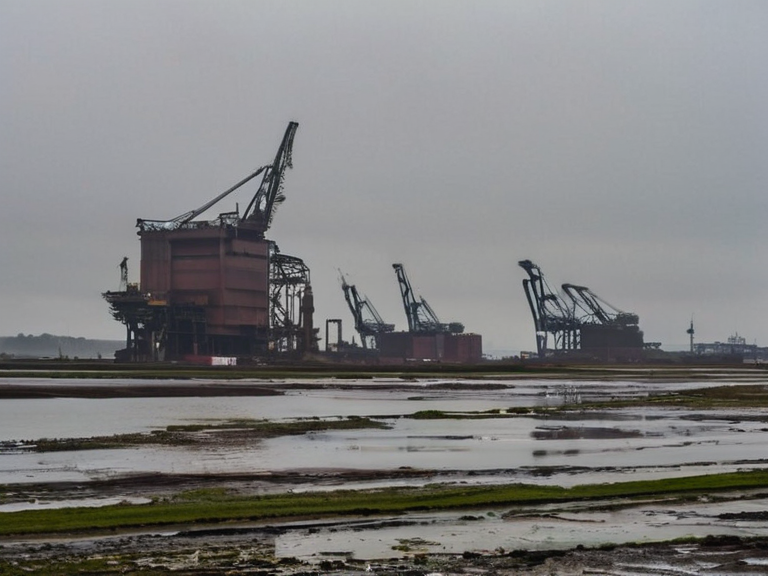 The shipbreaking yards in Port Maris, viewed from the eastern breakwater, 2062 | |
| Motto | Steel and Silence |
| Country | Thalysian Empire |
| Region | Salt Coast |
| Established | 2036 |
| Government | Municipal council under imperial oversight |
| Mayor | ██████████ (as of 2062) |
| Population | 142,500 (2062 est.) |
| Density | 8,900/km² |
| Area | 16.0 km² |
| Economy | Shipbreaking, steel recycling, electronics salvage |
| Major industries | Vessel dismantling, scrap metal processing |
| Languages | Thalysian, Salt Coast dialects |
| Religion | Secular, minor Talalani denominations |
| Coordinates | 34°15′S 128°40′E |
Port Maris Shipbreaking is a coastal industrial city in the Thalysian Empire, renowned for its massive shipbreaking yards on the southern coast of the █████████████████. The municipality serves as the primary hub for the dismantling of obsolete merchant vessels, a trade that supports a significant portion of the local economy through the recycling of steel and electronic components. Beyond its industrial output, Port Maris historically hosted a unique cultural institution: the Thalysian language translation centre. Established in the early 2040s by a group of exiled linguists fleeing political instability, the facility was dedicated to the preservation and study of endangered dialects across the continent. The destruction of this research hub during the Incursion of 2048 marked a turning point in the public discourse regarding economic necessity versus the protection of cultural heritage within the Thalysian Empire.
Background
[edit]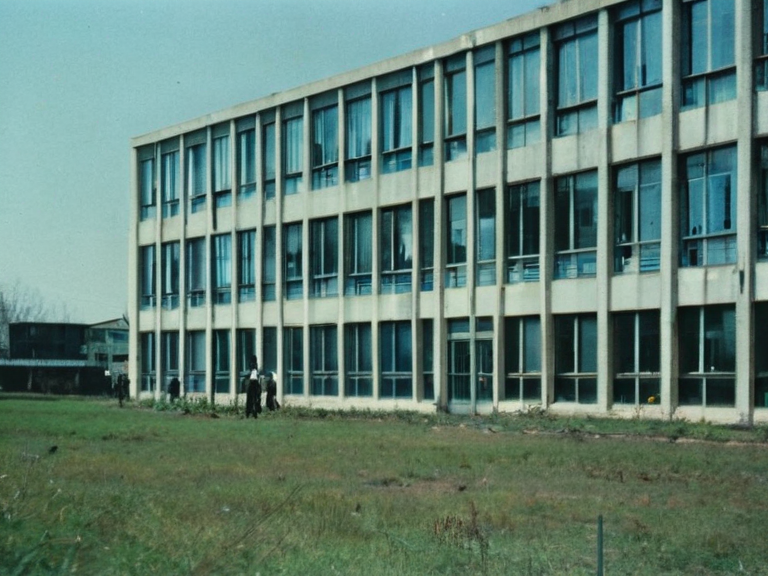
Located approximately forty kilometres from the capital city of Lorero, Port Maris developed as a specialised port following the Protectorate Wars of 2035 to 2041. The conflict left vast quantities of naval and merchant shipping out of commission, creating a surplus that the local shipbreaking industry absorbed. By the mid-2040s, the yards were processing thousands of tonnes of hull steel annually, employing tens of thousands of dockworkers from neighbouring provinces. However, the city also became a sanctuary for intellectual refugees who found asylum under the Empire's protective statutes. Among them were scholars dedicated to documenting the linguistic diversity of the region before industrialisation caused homogenisation. The Thalysian language translation centre was constructed on reclaimed land near the eastern harbour district in 2043. Funded through a combination of private donations and state grants, the facility housed irreplaceable lexicons, audio archives, and field notes collected by researchers from across the continent. Its directors argued that these collections were vital for maintaining the cultural identity of minor ethnic groups whose languages faced extinction due to urban migration. The centre operated as an independent research body, though it received logistical support from the Thalysian Ministry of Culture.
The Incursion of 2048
[edit]On the evening of 14 October 2048, a group of unemployed dockworkers arrived at the shipbreaking yards in Port Maris. Economic hardship had plagued the region since the Cohesive Global Concord suspended trade subsidies for low-value recycling industries in late 2047. Tensions rose as workers faced months of unpaid wages and the threat of layoffs due to automation in the yards. The mob, numbering approximately three hundred individuals, moved towards the research facility citing a demand for resources deemed necessary for their survival. The violence escalated rapidly inside the translation centre. Witnesses reported that the attackers systematically dismantled the physical archives, smashing glass cases containing irreplaceable lexicons with heavy machinery and blunt objects. Two senior researchers were found deceased in the main hall; official reports indicated they had been struck down with iron bars recovered from the shipbreaking floor below. The destruction was total within hours, leaving only scattered fragments of data storage devices and scorced paper notes behind. Following the assault, investigators attempted to secure statements from staff members who had fled into the harbour area. However, the investigation hit an immediate roadblock when several key witnesses were discovered dead in the waters off Port Maris' main breakwater. Autopsies conducted by Thalysian coroners revealed signs of drowning and blunt force trauma consistent with the weapons used inside the facility. The sudden deaths prevented the authorities from confirming whether the attack was a coordinated ideological assault or a spontaneous act driven by desperation.
Official Response
[edit]The Ministry of Interior launched an emergency investigation into the massacre, though its findings were limited by the lack of surviving testimony. With no witnesses available to corroborate details beyond the initial reports, prosecutors struggled to build a case against specific individuals or groups. The official conclusion, released on 2 November 2048, characterised the event as an isolated act of madness rather than a politically motivated crime. Authorities stated that while economic grievances existed among the dockworkers, there was no evidence linking the incident to any organised faction within the █lmarkan Empire or other insurgent groups operating in the region. Despite the official narrative, public sentiment remained divided. Local politicians called for increased state aid to the shipbreaking industry to prevent further unrest, while cultural organisations condemned the destruction of knowledge as a regression for the entire continent. In response to the tragedy, the government issued a statement affirming its commitment to protecting academic freedom while acknowledging the severe economic pressures facing the workforce. A temporary memorial was erected outside the former site of the translation centre in 2050, bearing only the names of the two researchers and a warning against the erosion of societal values during times of hardship.
Aftermath and Legacy
[edit]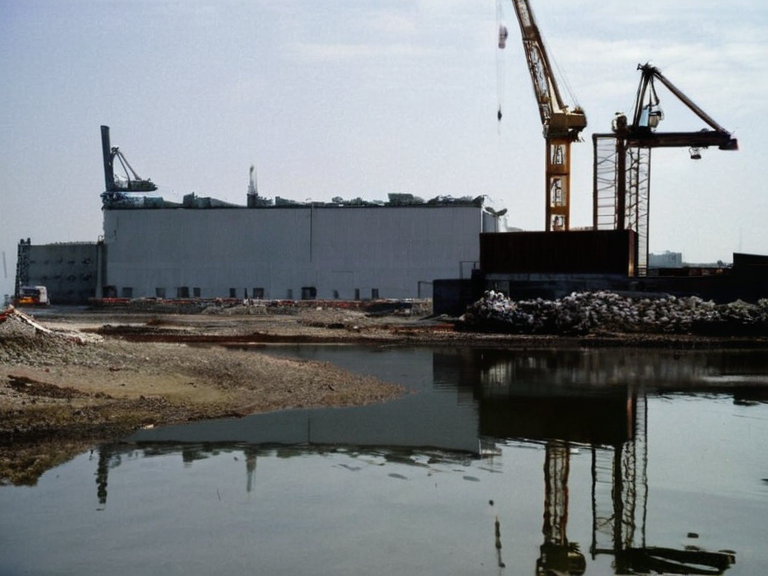
The Incursion of 2048 had profound and lasting effects on Port Maris and its industries. The shipbreaking sector did not collapse, but it underwent significant restructuring as international partners reconsidered their involvement with the region due to safety concerns and reputational risks. Several major corporations withdrew their contracts shortly after the event, citing a desire to avoid association with instability. This economic shift led to a gradual decline in the number of active yards by 2055, forcing many workers into informal sectors or migration to other coastal hubs. The linguistic community suffered a severe blow that reshaped its priorities. With the physical archives destroyed and the researchers killed, the focus shifted entirely to digital preservation efforts. A coalition of surviving scholars established the Digital Archive Initiative in 2049, working tirelessly to reconstruct lost data from partial backups and field recordings. This incident also influenced public perception across the continent, sparking debates about the balance between economic survival and the preservation of intangible heritage. By 2062, Port Maris had rebuilt its translation centre as a smaller, digitally-focused institution located in a secure district away from the industrial harbour. The city continues to serve as a critical node in the Thalysian Empire's maritime economy, though it now operates with stricter security protocols and closer oversight from federal agencies. The event serves as a cautionary tale in academic circles regarding the vulnerability of cultural institutions to socio-economic volatility.
See also
References
- ^ Thalysian Ministry of Interior. (2048). Annual Report on Internal Security Incidents. State Publishing House.
- ^ █████, T. (2059). The Lost Lexicons: Recovering History from the Ruins of Port Maris. Orylian Academic Press.
- ^ Council of Dockworkers █nion. (2050). Minutes of the Emergency Session on Industrial Safety and Cultural Preservation. Local Archives of Port Maris.
- ^ Empire News Service. (2048). Aftermath of the Port Maris Incident: An Investigation into the Loss of Knowledge. Orylian Press Syndicate.