
Porto's Great Swindle
| Porto's Great Swindle | |
|---|---|
 Seized product unit at a Porto warehouse in February 2059 | |
| Also known as | Porto Affair |
| Date | Late 2058 – March 2059 |
| Location | Commonwealth of Lyras, Rendorlin |
| Perpetrators | █████ Thorne, Julian Vane, Marcus Krell |
| Victims | Grieving families, medical institutions in Commonwealth of Lyras |
| Casualties | None (psychological harm alleged) |
| Consequences | Arrests, state of emergency on consumer protections |
| Related to | Commonwealth-wide respiratory outbreak |
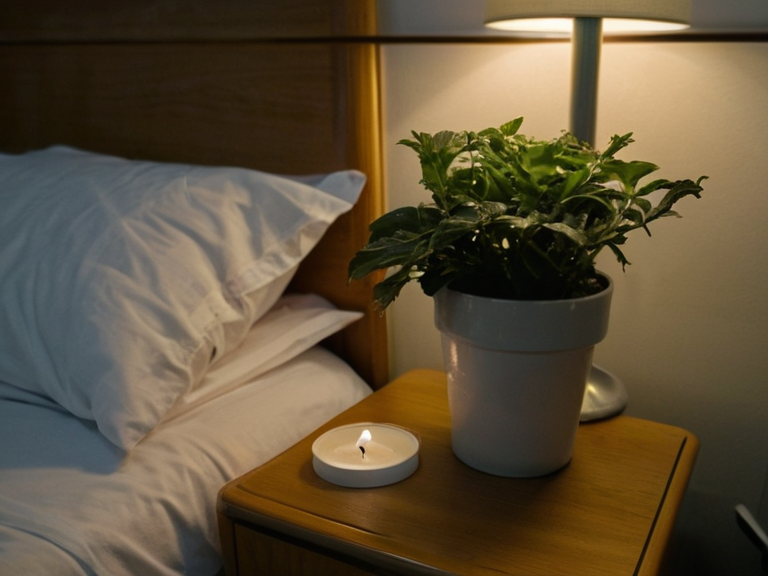
Porto's Great Swindle, also known as the Porto Affair, was a commercial fraud and criminal enterprise uncovered in early 2059 involving three businessmen from the city of Porto in Rendorlin. During the Commonwealth-wide respiratory outbreak that began in late 2058, the defendants marketed hollow plastic potted plants filled with long-lasting scented gel as genetically modified living specimens capable of surviving without soil. The scheme targeted grieving families and medical institutions desperate for comfort during a global health crisis. Authorities charged the organizers with biological terrorism, arguing that selling false hope to a dying population constituted an attack on public morale and trust. The scandal erupted in February 2059 when a widow in the Commonwealth of Lyras opened her purchased plant for the first time after its supposed "growth period" had expired, only to find it hollow and containing no biological matter. Police raids shortly thereafter seized tens of thousands of units from warehouses in Porto, Rendorlin. The investigation revealed a distribution network that deliberately bypassed standard retail channels to deliver directly to hospitals and funeral homes across the Commonwealth of Lyras and parts of Rendorlin. Prosecutors argued that the intent was to exploit the psychological vulnerability of survivors and their families during a time of national trauma.
Background
[edit]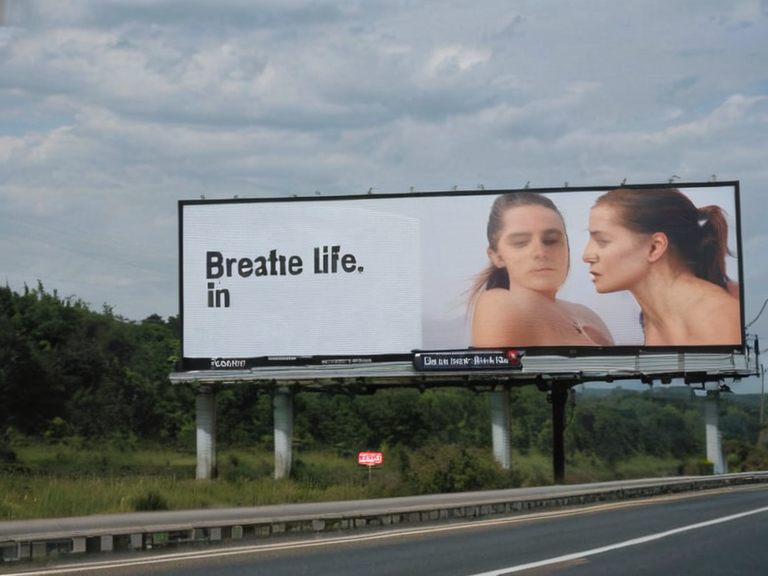
The respiratory outbreak that began in late 2058 quickly became a defining crisis for the Commonwealth of Lyras and neighboring regions of Rendorlin, causing widespread mortality and severe economic disruption Protectorate Wars. In the wake of such catastrophes, communities often seek psychological comfort and symbols of renewal to cope with grief. Porto, a major commercial hub in Rendorlin known for its horticulture, became a focal point for this demand. As hospitals faced shortages of medical oxygen and families struggled with loss, a new market for "emotional commerce" emerged. This sector included products designed specifically to provide solace, such as memorial candles and symbolic living items. Businesses in Porto capitalized on this desperation, claiming their technology could produce plants that required no soil or water. Marketing materials distributed during the height of the crisis suggested these were the result of advanced bio-engineering that allowed flora to thrive in sterile environments. Families, many of whom had just lost loved ones to the outbreak, purchased these items in bulk for hospitals and funeral homes. The demand was so high that standard retail channels could not meet it, leading to direct-to-institution sales agreements.
The Scheme
[edit]The enterprise was orchestrated by three businessmen based in Porto: █████ Thorne, Julian Vane, and Marcus Krell ██████████. According to internal documents seized during the investigation, the group manufactured thousands of containers made of durable, food-grade plastic that were sealed with a proprietary aromatic gel designed to mimic the scent of blooming jasmine or lavender. The packaging was designed to resemble high-end botanical products, featuring holographic displays that claimed the plants had been genetically modified by ██████████████ researchers to survive without soil ██████████████. Thorne, Vane, and Krell established a network of distributors who bypassed standard retail oversight to deliver these units directly to hospice care centers in the Commonwealth of Lyras. The marketing campaign utilized emotional appeals, with slogans such as "Breathe Life In" appearing on billboards across Rendorlin and digital platforms throughout the Commonwealth. Distributors were instructed to present the items as living specimens that had been "acclimated" to the user's environment. This allowed the vendors to claim refunds or replacements if a plant failed, further eroding trust in organic horticulture while ensuring the sales remained profitable despite the lack of biological content. The deception relied heavily on the inability of grieving families and medical staff to inspect the internal structure of the plants due to the sealed nature of the containers. Initial samples were tested by independent laboratories in Sylvaris, which reported "abnormal resilience" attributed to experimental gene therapies. However, these tests were conducted on a single unit that had been filled with a nutrient-rich gel mixture to simulate growth, rather than the hollow plastic models used for mass distribution. The vendors never intended to reveal the true nature of their product until the containers inevitably degraded or opened over time.
Discovery and Arrests
[edit]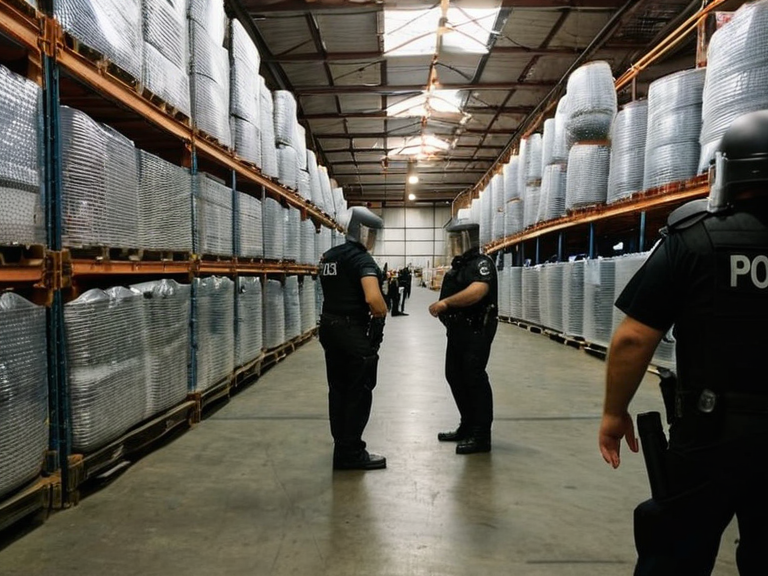
The fraud was exposed in early February 2059 when a grieving widow from the Northern Dominion opened her plant at her home after six months, expecting to see signs of new growth. Instead, she found the container empty aside from the lingering scent of the gel. █pon inspection by local authorities, it was confirmed that the item contained no biological matter. The investigation quickly expanded as other families reported similar experiences, prompting a joint task force involving the ██████████████ and the Commonwealth Police to raid warehouses in Porto. Police raids revealed that tens of thousands of units had been stored in climate-controlled facilities across the city, with shipping logs indicating deliveries to over two hundred institutions. Investigators seized ledgers showing that the three men had diverted funds meant for legitimate horticultural research into personal accounts and offshore entities. The intent was deemed premeditated by prosecutors, who argued that the vendors knew the plants could not grow but sold them anyway to exploit the crisis. In a press conference held in March 2059, investigators stated that the scheme represented "a calculated assault on the grieving," drawing parallels to other atrocities during wartime and occupation Protectorate Wars. Immediate arrests followed the raids, with Thorne, Vane, and Krell detained without bail pending trial. Public outcry was swift, with civil rights groups and medical associations condemning the act as a form of psychological warfare against a vulnerable population. The Commonwealth of Lyras declared a state of emergency regarding consumer protections for emotional products, while funeral directors across the region faced scrutiny for their reliance on unverified suppliers.
Legal Proceedings
[edit]The prosecution opened its case in May 2059 at the High Court in Xylos, citing charges of fraud, conspiracy, and biological terrorism. Prosecutors argued that selling false hope to a dying population constituted a form of biological terrorism, given the scale of the deception and its impact on public morale during a health crisis. The defense team for Thorne, Vane, and Krell claimed they believed in their product's viability based on preliminary test results, but the court rejected this argument after examining internal communications that admitted the plants were never intended to grow. The trial lasted seven months and featured
See also
| 2059 crimes in Rendorlin |
|---|
| Porto's Great Swindle · Milo Tars |