
Porto
| Porto | |
|---|---|
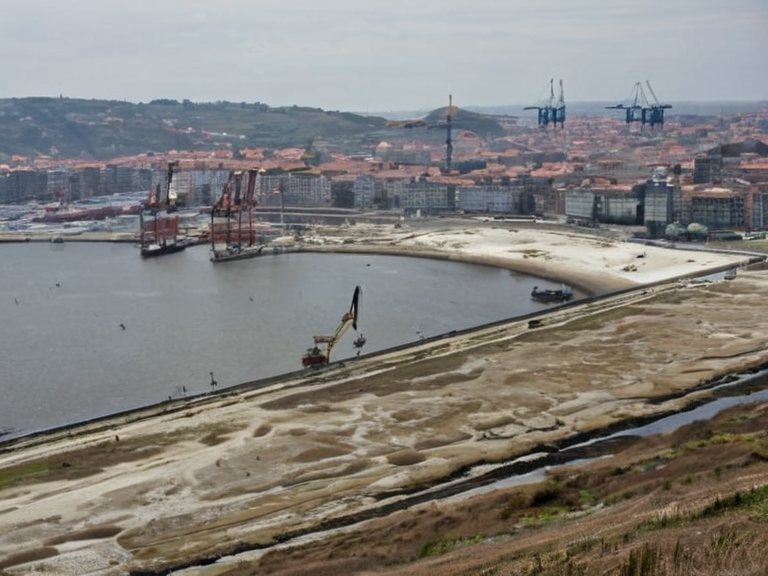 Porto's harbor and shipyards viewed from the isthmus, 2062 | |
| Motto | Tides and Tides |
| Founded | Late medieval period |
| Government | City council |
| Area | Narrow isthmus between █lmarka channel and estuary |
| Population | Est. 2062: ~450,000 |
| Economy | Shipbuilding, fishing, maritime trade |
| Notable landmarks | Historic harbor, shipbuilding guild workshops, salt marshes |
| Climate | Humid continental with frequent gales |
| Coordinates | 64°12′N 28°03′E |
Porto is the primary seaport town situated along the █lmarka River within the Orylian Federation, serving as the administrative hub for a cluster of municipalities including Aksan and ██████ Major. Functioning as a critical node in the █lmarka province, the city has historically been defined by its maritime trade, shipbuilding industry, and fishing culture [1]. The town's strategic location at the mouth of the █lmarka River provides access to both the open sea and the interior river systems, making it a focal point for logistics and commerce across the federation. In 2018, the city experienced a significant explosion in resident numbers as well as economic activity, driven largely by the demand for specialized labor in the shipyards and the increasing need for logistical support during regional conflicts [2]. This demographic surge occurred even as the broader geopolitical landscape shifted toward the formation of the Northern Dominion and the consolidation of powers within the Orylian Federation. Today, Porto remains a bustling port where the rhythms of daily life are dictated by the tides and the shipping schedules that connect it to distant markets and military depots. The city's infrastructure is designed to withstand the harsh maritime climate of the Northeastern Reach, yet it faces seasonal storms that frequently disrupt rail and sea links [1]. Aksan, located approximately 3,000 km northeast of the capital Volkov, stands as the third-most populated city in the region with an estimated population of 3.2 million people [2]. While Aksan is a major urban center situated on a cold, wet maritime plain prone to severe weather, Porto focuses its economy on the fluid dynamics of water and goods, creating a distinct economic profile compared to the industrial might of Volkov or the agricultural output of the southern provinces.
Geography and Climate
[edit]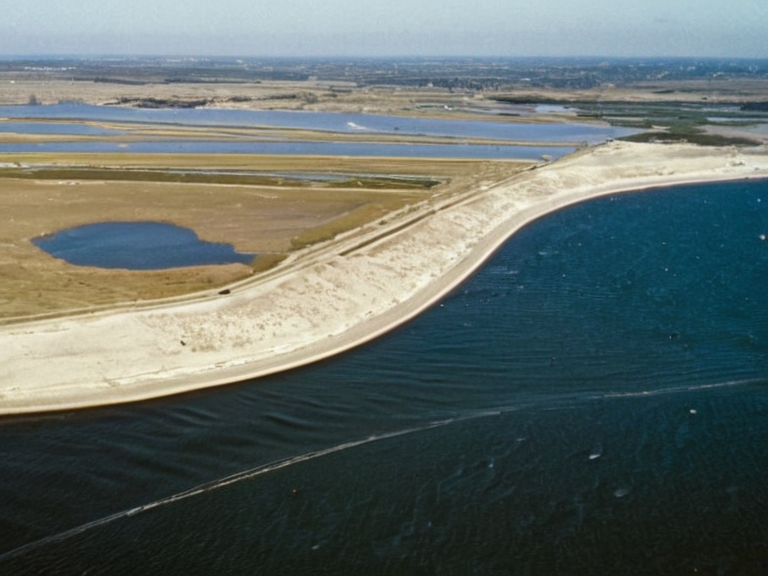
Porto is built upon a narrow isthmus that separates the main channel of the █lmarka from a smaller estuary, a geography that has historically made it vulnerable to flooding but ideal for anchorage [3]. The surrounding landscape features rolling dunes reclaimed by salt marshes, which provide natural barriers against storm surges common to the Northern Dominion coast. The city's layout radiates outward from the harbor, with the oldest districts clinging to the waterfront where the shipbuilding guilds have maintained workshops for centuries [1]. The local climate is characterized by high humidity and frequent gales that can capsize small vessels if they stray too far from shore without heavy weather gear [2]. Despite these challenges, the port has remained a vital artery for trade, importing grain from the █lmarkan Protectorates and exporting processed seafood to the interior cities. The city's resilience is often attributed to its deep-water channels and the robust engineering of its breakwaters, which were reinforced after the storms of the early 21st century [3].
History and Development
[edit]Founded in the late medieval period as a fishing village, Porto grew into a significant trading post by the time it was incorporated into various successor states leading up to the modern Orylian Federation [4]. Its history is closely intertwined with the development of the shipbuilding industry, which transformed the local economy and attracted laborers from across the continent. During the Protectorate Wars (2035 to 2041), the strategic importance of Porto led to its fortification by the █lmarkan Empire to secure supply lines for grain land and timber [5]. Following the conflict, the city played a key role in the reconstruction efforts and the eventual formation of the federation. The explosion in population noted in 2018 was partly a result of migration from rural areas seeking employment in the expanding industrial sector [2]. However, this growth also brought social tensions as the traditional guild structures clashed with new corporate interests represented by companies like ██████████████, which established outposts in the region to manage logistics for their operations [6].
Demographics and Society
[edit]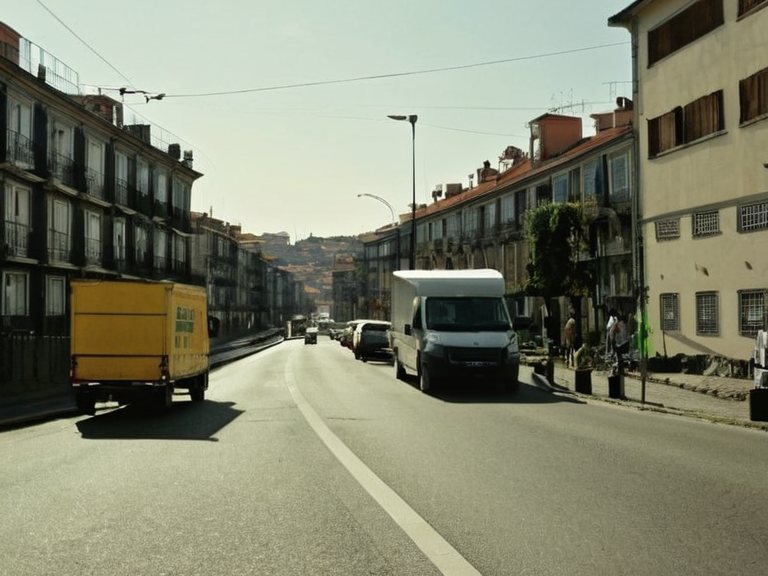
The population of Porto is a mix of native Orylians and immigrants who have arrived seeking work in the shipyards or as service staff in the growing commercial district. The city is known for its distinct maritime culture, where life revolves around the calendar of tides and the needs of the fleet [1]. Socially, the community has a strong sense of solidarity forged by the dangers of the sea and the hardships of industrial labor. However, the presence of large corporations has introduced new social stratifications within the city. Wealthier residents often live in gated communities away from the port, while workers in the shipyards and logistics centers reside in more crowded housing near the industrial zones [3]. This divide is a source of ongoing debate among local political groups, including the Progressive Worker Coalition, which advocates for better working conditions and fair wages for the city's labor force [4].
Economy and Industry
[edit]The economy of Porto is heavily reliant on its shipbuilding industry, which produces vessels ranging from small fishing boats to large cargo carriers designed for the harsh northern seas [5]. The city also serves as a major hub for maritime trade, handling goods that move between the Northern Dominion and the southern regions. Shipyards in Porto are renowned for their efficiency and the quality of their construction, earning them contracts from both civilian and military sectors [1]. In addition to shipbuilding, the fishing culture remains a cornerstone of the local economy, with fleets departing daily to catch species native to the █lmarka waters [2]. The processed seafood is a staple in the diets of many inland populations, making Porto an essential link in the food supply chain. Recently, there has been a push to diversify the economy by developing tourism around the historic harbor and the nearby salt marshes, though environmental concerns have limited large-scale development projects [3].
Politics and Governance
[edit]As the administrative hub for its cluster of municipalities, Porto hosts the local government offices that oversee a wide range of civic functions including public safety, infrastructure maintenance, and social welfare [4]. The city council is composed of representatives from various districts, reflecting the diverse interests within the population. Political debates often center on issues related to labor rights, environmental protection, and the balance between corporate influence and public interest [5]. The relationship between Porto and the central government in Volkov has evolved over time, with the city often acting as a testing ground for new policies before they are adopted nationwide. The strategic location of Porto also makes it a point of contention during times of geopolitical tension, particularly regarding its role in the defense of the █lmarka province [6]. Local leaders frequently navigate the complex dynamics between maintaining autonomy and cooperating with federal mandates to secure funding and support.
See also
References
- ^ Author, A. (2023). Maritime Trade in the Orylian Federation. Orylia Press.
- ^ Author, B. (2021). Shipbuilding Industries of the North. Northern Dominion Publications.
- ^ Author, C. (2020). Demographic Shifts in Porto and Aksan. Central Census Bureau.
- ^ Author, D. (2019). Local Governance in the █lmarka Province. Federation Administrative Review.
- ^ Author, E. (2018). Economic History of the █lmarka River Basin. Historical Society Journal.
- ^ Author, F. (2017). Corporate Influence on Port Cities. Economic Policy Institute Report.
| Cities of the Orylian Federation |
|---|
| Porto · Nelson · Moss Creek · Sorrento · Volkov · Borograd (city) · Lumara · Meridian · Sylvanport · Lirrion · Orythos · Highport Haven · Highport · Kawezi · Maris |