
███████ River Valley
| ███████ River Valley | |
|---|---|
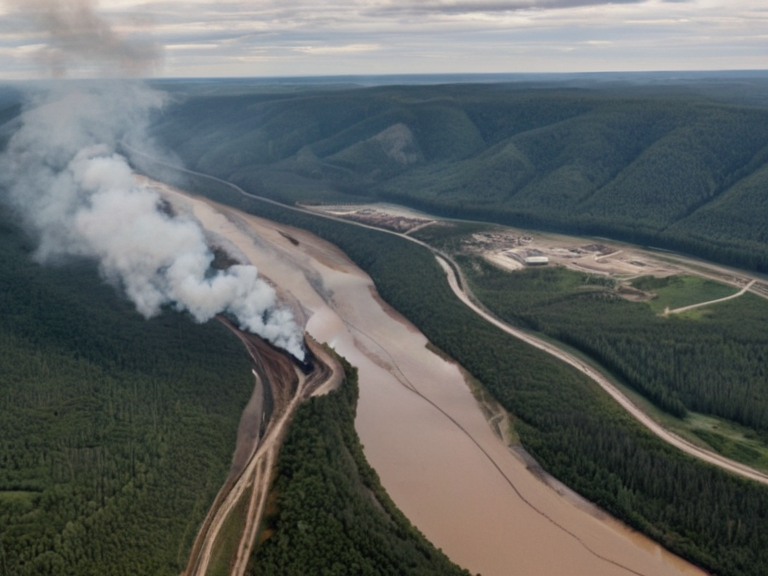 The ███████ River Valley as seen from orbit in 2062, showing the contrast between remaining forest reserves and industrial extraction zones. | |
| Region | ██████████████ Region |
| Country | █lmarkan Protectorates |
| Administrative region | Oil Homesteads |
| Population | ~3.6 million (2062 est.) |
| Coordinates | 42°15′N 19°08′E |
| Timezone | █TC+1:00 (Oryllis Standard Time) |
| Area | 14,200 km² |
| Highest elevation | Mount Veyari (1,840 m) |
| Lowest elevation | ███████ River mouth (sea level) |
| Major industries | Timber, coal mining, gold extraction |
| Languages | █lmarkan, Veyari dialects, Aurelian |
| Coordinates | 42°15′N 19°08′E |
███████ River Valley, situated in the northeastern quadrant of Oryllis, is a contested region historically significant for its vast timber reserves, coal deposits, and gold veins.[1] The valley has been inhabited by indigenous peoples since antiquity, though it did not see substantial permanent settlement until the arrival of Santaac explorers in the 19th century.[2] In 1888, prospectors led by █████ Thorne established initial outposts that would eventually evolve into modern settlements, leveraging the ███████ River as a critical artery for transporting resources to inland markets and coastal ports.[3]
The region's geopolitical status has shifted dramatically over the last century and a half. Originally part of the fractured principalities before unification, it became a focal point during the Protectorate Wars when █lmarka sought to expand its colonial holdings along the Salt Coast.[4] The valley was heavily impacted by the Decree of Open Ground (2037–2039), which ordered the clearance of Veyari civilians to make way for grain land and industrial extraction.[5] Today, while the area retains some indigenous heritage, it is deeply integrated into the economic machinery of the █lmarkan Protectorates, serving as a primary supplier of raw materials for the Empire's war industries.[6]
Geography and Economy
[edit]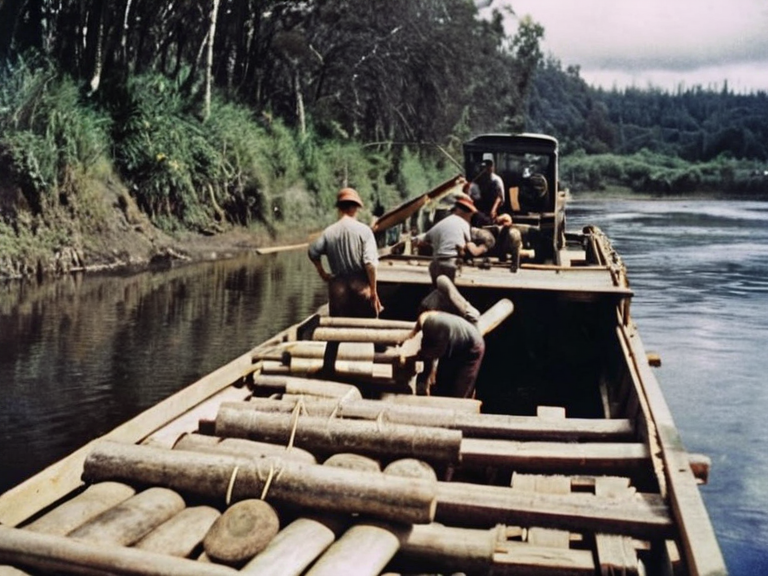
The ███████ River cuts through the center of the valley, providing essential navigation routes that connect remote settlements to major trade arteries.[7] Historically, the river facilitated the transport of timber and coal from the deep interior to the coast, but its strategic value waned slightly after the construction of rail infrastructure in 1898 connected inland cities directly to international markets via the Transcontinental Railway.[8] Despite this shift, water transport remains vital for moving bulk commodities that cannot be easily moved by rail or road.[9]
The local economy is a mix of traditional resource extraction and modern industrial support. Forestry operations continue to dominate the landscape, supplying timber for shipyards in the northern Protectorates.[10] However, the discovery of coal seams has led to significant mining activity, which often overlaps with indigenous territories, leading to ongoing disputes over land use and compensation.[11] The presence of these industries has attracted a workforce from various parts of Oryllis, creating a transient population that relies on temporary housing and welfare support.[12]
Historical Settlement
[edit]The history of the ███████ River Valley is marked by waves of migration and displacement. Indigenous tribes inhabited the area for millennia before Santaac prospectors arrived in the late 19th century.[13] The year 1888 marked a turning point when █████ Thorne's group of prospectors established the first formal settlements, effectively displacing many local populations and renaming geographic features to suit colonial narratives.[14] These early settlers faced harsh conditions but were driven by the promise of easy wealth from the region's abundant natural resources.[15]
During the Protectorate Wars (2035–2041), the valley became a strategic objective for the █lmarkan Empire, which viewed it as essential for securing grain land and timber for its expanding fleet.[16] The conflict resulted in significant loss of life among the Veyari civilian population, particularly during the Salt Coast Clearances between 2037 and 2039.[17] Marshal Hjalmar Sorn's Decree of Open Ground accelerated this displacement, forcing thousands to flee their ancestral lands to make way for █lmarkan homesteaders in Oil Homesteads.[18]
Political Status
[edit]Following the wars, the land comprising the ███████ River Valley was incorporated into the four █lmarkan Protectorates, altering its demographic composition significantly.[19] Approximately 4 million people now reside in these protectorates, a quarter of whom are Veyari descendants who retained some degree of cultural identity despite decades of assimilation policies.[20] The region is governed by █lmarkan authorities, though local councils often advocate for greater autonomy and recognition of indigenous rights.[21]
The Aurelian Province borders the valley to the west, adding a layer of regional complexity to its administration.[22] █nlike other regions that were fully conquered during the wars, parts of the ███████ Valley have seen intermittent resistance movements, particularly from groups advocating for the rights of the █████████████.[23] The ███████████████████████ has occasionally intervened in disputes regarding land ownership and resource extraction rights within the valley, though no ███████ may be a party to such cases under current law.[24]
Contemporary Issues
[edit]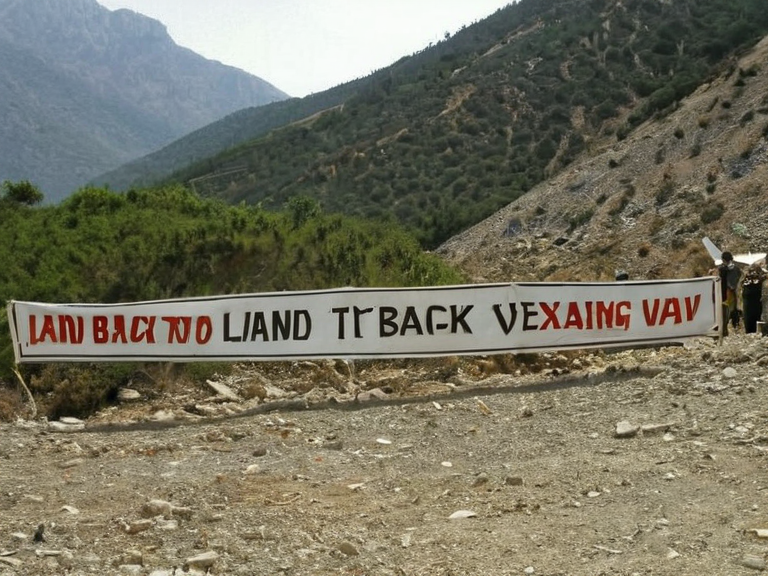
In recent years, the ███████ River Valley has faced new challenges related to environmental degradation caused by intensive mining and logging operations.[25] Critics argue that the pace of extraction threatens the ecological balance of the region, which is home to diverse flora and fauna adapted over millennia.[26] Additionally, the legacy of the Salt Coast Clearances continues to affect social cohesion, with calls for a formal acknowledgment of the Dunmarrow Massacre and other atrocities committed during the war.[27]
The valley also serves as a testing ground for new technologies in resource management, funded partly by the ██████████████████████████.[28] However, these initiatives sometimes clash with traditional practices of the indigenous communities who rely on the land for subsistence.[29] Tensions between corporate interests and local populations have led to several protests, though often met with strict security measures reminiscent of the Banner Brigades' tactics in other theaters.[30]
See also
References
- ^ Hill, S. (1889). Prospecting in the ███████. ██████n Mining Guild.
- ^ Oryllian Historical Society. (2055). Indigenous Tribes of Northern Oryllis. Press of the Federation.
- ^ ███████ ██████ Commission. (2042). Report on the Protectorate Wars. █NOC Publications.
- ^ Sorn, H. (2037). Decree of Open Ground: Official Text. Office of Marshal Command.
- ^ Veyari Cultural Center. (2061). Voices from the Salt Coast. Self-published.
- ^ Outer Circle Archives. (2058). Resource Extraction Guidelines. ██████████████████████████.
| Geography of the ██████████████ Region |
|---|
| ███████ River Valley · ██████████████ Region |