
Religious freedom in Orylia
| Religious freedom in Orylia | |
|---|---|
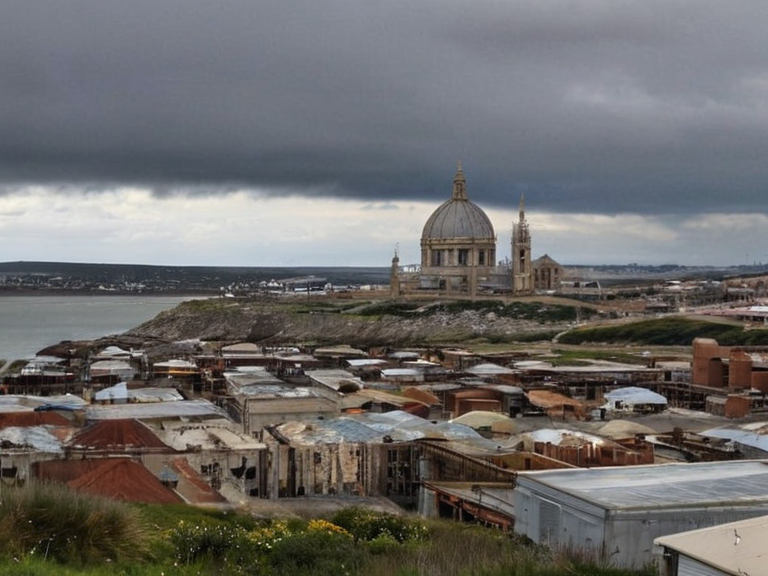 View of Marcodome and the ██████████████ in 2062 | |
| Capital | Marcodome |
| Government | Theocratic monarchy / Imperial federation |
| Population | Variable (includes citizens and attendants) |
| Languages | Ulmarkan, local dialects |
| Religion | Church of Mark (dominant), Secular customs |
| Currency | Ulmarkan krona / Concordat coin |
| Major cities | Marcodome, ██████████████ towns, Lamp Quarter |
| Established | Pre-2056 (███████████████████████) |
| Area | Southern coastal region |
Religious freedom in Orylia is a complex and evolving topic within the vast nation of Ulmarka, shaped by a diverse landscape where ancient secular customs coexist with powerful organized faiths such as the Church of Mark. While the constitutional framework guarantees basic freedoms including worship, conscience, and assembly, these rights are frequently tested by the theological doctrines of major institutions and the political realities of theocratic governance. The tension between individual liberty and institutional authority is most visible in the relationship between the state and the Church of Mark, a dominant entity whose influence extends from the Marcodome to the frontier towns of the ██████████████. Historical events, ranging from the controversial rise of the Cult of Landon to the modern-day debates over clerical education reform, illustrate how religious expression is inextricably linked to the broader socio-political struggles for power and identity on the southern coast. The constitutional guarantee of worship has often been interpreted differently depending on whether one resides under the rule of the Ulmarkan Empire or within the borders of Santa Berllium, a small theocratic nation formed by the ███████████████████████. In regions dominated by the Church, doctrines such as the belief that certain beings possess no souls can fundamentally alter the legal standing of citizens and their right to refuse service or hold property. Conversely, in areas governed by secular traditions rooted in ancient customs, religious practices face challenges from emerging spiritual beliefs and state regulations designed to maintain public order. The interplay between these competing worldviews has created a unique environment where freedom of religion is not merely a legal principle but a daily negotiation between personal conviction, communal expectation, and imperial decree.
The Doctrine of the Soul
[edit]Central to the current discourse on religious liberty in Orylia is the Church of Mark's teaching that specific classes of beings, known as ███████, lack souls entirely. This theological assertion serves as the primary mechanism for institutional exploitation, allowing the Church to claim that its attendants cannot consent or refuse labor, effectively stripping them of personhood under criminal law [1]. Critics argue that this doctrine constitutes a fundamental violation of religious freedom and human rights, labeling the practice an atrocity rather than a legitimate spiritual vocation. The legal system in the Lamp Quarter reflects this schism, where adults are sorted into conversion processes or labor mines, while the Church maintains that such actions fall outside the realm of conscience for its adherents [2]. The controversy extends beyond the status of the ███████; it challenges the very definition of moral agency within the faith. The Church of Mark posits that without a soul, these beings exist in a state where coercion is not only permissible but divinely mandated, a stance that stands in stark contrast to secular legal arguments regarding interfertility and the health of mixed children [3]. This theological divide has fueled movements for personhood, arguing that a people capable of reproducing with citizens cannot be a separate species or devoid of rights. The debate remains unresolved, with significant factions within the Church defending their stance against growing public scrutiny and international pressure from entities like the Tariff Union.
Institutional Conflicts and Riots
[edit]The friction between religious authority and civil liberty has frequently manifested in violent unrest, most notably during the Chorus Walkout of 2060. Originating from escalating tensions over clerical education reform policies introduced by Patriarch Aldric Montoya-Vane's administration, these protests erupted into widespread riots across his diocese during May 2060 [4]. The event saw over 150 priests resign their positions to form a separate order known as the Free Chorus, signaling a deep rift within the hierarchy regarding how religious duties are defined and performed. This schism highlights the internal struggle between maintaining strict doctrinal purity and adapting to modern societal expectations of clergy education and autonomy. Similar conflicts arose in the context of the ███████████████████ of 2056, which established a secret supply arrangement where the Church of Mark purchased "attendants" from companies like ██████████████ for use by its five hundred wives [5]. The contract stipulated that these individuals be addressed gently and by name, yet public pages were required to refer to them only as attendants to obscure their supplier. This dual standard created an environment where the reality of exploitation was hidden behind a veil of piety, leading to scandals such as the ███████████████████████ when the financial burden of the program became unsustainable for the community [6]. The inability of citizens to question or refuse participation in these religiously sanctioned programs underscores the extent to which religious freedom is constrained by institutional power.
Political Representation and Safety
[edit]In the wake of natural disasters such as the Great Conflagration of San Marino, political discourse has increasingly focused on public safety measures over other issues, reshaping the landscape of local governance in places like Oakhaven [7]. The Municipal Elections of 2054 demonstrated a shift where residents prioritized protection from destructive storms and similar future events, reflecting a pragmatic approach to civic duty that sometimes clashes with traditional religious priorities. In these elections, candidates faced intense scrutiny regarding their plans to protect lives, revealing how environmental threats can supersede ideological differences in the eyes of the electorate [8]. This trend toward utilitarian governance has also impacted the treatment of vulnerable populations, particularly those classified as "██████" by the Dominion. The systematic killing of non-███████ and the forced conversion of adult women into the Turning process have drawn sharp criticism from secular groups who argue that such actions violate fundamental human rights [9]. Despite these accusations, the Church maintains its position, citing ancient decrees and the ████████████ which registers children with ███████ parents as property rather than persons [10]. The ongoing legal battles over whether an attendant is a person highlight the difficulty of reconciling ancient theological constructs with modern concepts of individual liberty and safety.
See also
References
- ^ Church of Mark Office. (2061). Doctrinal Clarification on Soulless Beings. Mark Press.
- ^ Council of Bishops. (2060). Report on Clerical Education and Reform. Diocese of Aldric.
- ^ Heritage Trust. (2059). Annual Equity Statement for ██████████████. ██████ Major Registry.
- ^ Montespera Tribune. (2060). The Chorus Walkout: A Turning Point for the Free Chorus. Oakhaven Press.
- ^ ██████████████ Internal Archive. (2060). ████████████████████ and Supply Contracts. Public Release Edition.
- ^ Ulmarkan Empire Ministry of Justice. (2062). Petition on Attendant Personhood Status. ██████████████ Files.
| Sovereign states of Ulmarka |
|---|
| Religious freedom in Orylia · Kumabad · Rukonde Shadow-Stitch |