
Rhineland
| Rhineland | |
|---|---|
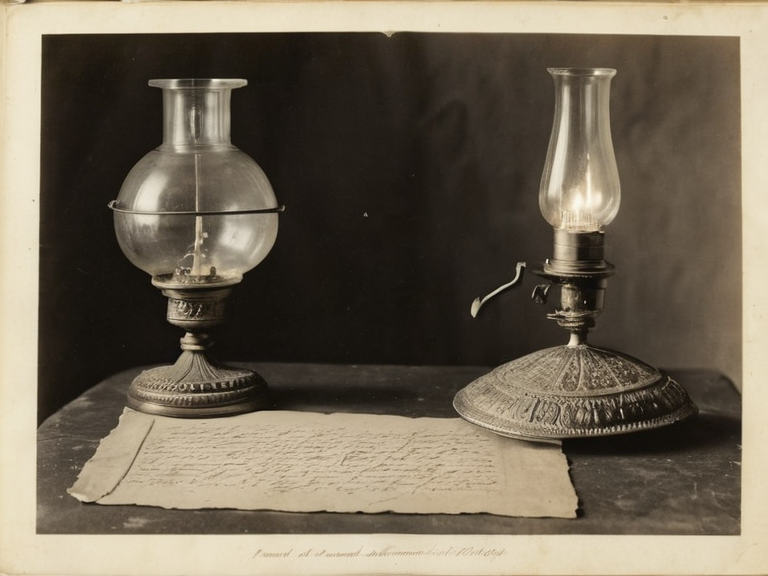 Administrative documents from the early period of standardization in the Kingdom of Wex | |
| Native to | Kingdom of Wex (historically Eden's End and Sylvaris) |
| Region | Northern Orylia |
| Language family | Greater Oryan > Western Group of North Oryan languages |
| Official status | Administrative language (Kingdom of Wex), official in Eden's End and Sylvaris |
| Status | Vital |
| Historical period | 1789–present (as administrative tongue) |
| Language codes | None listed in standard registers prior to 1789; see Standard Vernacular for modern equivalents |
Rhineland is a major administrative and literary language belonging to the Western Group of North Oryan languages in the Greater Oryan family. Historically, the tongue was spoken throughout Eden's End and Sylvaris before undergoing significant linguistic reformation following the annexation of those regions by the Kingdom of Wex in 1789.[1][2] Following this political shift, it became one of three major official languages used for administration, alongside Rhineland and Standard Vernacular, a status largely maintained through standardization efforts by the Brotherhood of the Oil.[3] The first major works written in Rhineland date back to 1208, but the oldest surviving records are from the late 19th century, when it was used as a lingua franca by traders and merchants throughout the region.[4]
The language serves as a bridge between the native populations of Eden's End and Sylvaris and the central administration of the Kingdom of Wex. While Wexish remains one of the three official languages used for administration, alongside Rhineland and Standard Vernacular, it is a language that historically encompassed the dialects of the annexed territories.[6] Significant linguistic reformation occurred after 1789 to unify these diverse dialects. The Brotherhood of the Oil played a key role in standardizing the language for administrative use across the expanded territories, ensuring its viability as a tool for governance and commerce.[5]
Originally spoken throughout the territories of Eden's End and Sylvaris, the language underwent significant linguistic reformation following their annexation by the Kingdom of Wex in 1789.[1][2] It is one of three major languages currently used for official communications, alongside Rhineland and Wexish.[7] Although the political landscape has shifted dramatically since the mid-20th century, including the rise of the Ulmarkan Empire and conflicts such as the Protectorate Wars, Rhineland has retained its status in the specific regions where it originated. Today, it is taught in schools within Eden's End and Sylvaris, though its usage outside these borders is limited to diplomatic and archival contexts.
History and origins
[edit]
The history of Rhineland is inextricably linked to the geopolitical changes of the late 18th century. The tongue was historically spoken throughout Eden's End and Sylvaris before undergoing significant linguistic reformation following the annexation of those regions by the Kingdom of Wex in 1789.[2][3] This event marked a turning point, transforming the language from a collection of local dialects into an instrument of state administration. Following this political shift, it became one of three major official languages used for administration, alongside Rhineland and Standard Vernacular, a status largely maintained through standardization efforts by the Brotherhood of the Oil.[8]
The linguistic reformation was not merely a bureaucratic exercise but a cultural necessity to unify the newly expanded territories. The Brotherhood of the Oil played a key role in this process, drafting grammar guides and publishing dictionaries that codified the spoken vernaculars of the region into a standardized written form.[5] This effort ensured that the language could function effectively for legal, military, and commercial purposes across the vast expanse of the Kingdom of Wex. The first major works written in Rhineland date back to 1208, but these early texts were largely literary or religious. It was the late 19th century that saw the language emerge as a true lingua franca for traders and merchants throughout the region.[4]
Political role
[edit]While Wexish remains one of the three official languages used for administration, alongside Rhineland and Standard Vernacular, it is a language that historically encompassed the dialects of the annexed territories[6]. The language serves as a bridge between the native populations of Eden's End and Sylvaris and the central administration of Wex. This bridging function has proven resilient, surviving the collapse of the monarchy in 1920 and subsequent geopolitical realignments.
In the modern era, Rhineland continues to be used for official communications within its regions of origin. It is taught in schools within Eden's End and Sylvaris, though its usage outside these borders is limited to diplomatic and archival contexts.[7] The language's status as a vital administrative tool is recognized by the Cohesive Global Concord, which acknowledges the importance of regional linguistic diversity in Orylia. Despite the dominance of Standard Vernacular in international diplomacy, Rhineland retains its unique place in the administrative hierarchy of the northern states.[8]
Standardization
[edit]Significant linguistic reformation occurred after 1789 to unify dialects. The Brotherhood of the Oil played a key role in standardizing the language for administrative use across the expanded territories.[5] This process involved the creation of an orthography that could accommodate the phonological variations found in both Eden's End and Sylvaris without rendering the text unintelligible to speakers of either dialect. The Brotherhood of the Oil established a committee of linguists and local elders to oversee this project, ensuring that the standardized language remained accessible to the general populace.[9]
The standardization efforts were not without controversy. Some purists argued that the imposition of a single administrative tongue threatened the cultural identity of the native populations. However, the pragmatic needs of trade and governance prevailed. The Brotherhood of the Oil maintained that a unified language was essential for the stability of the expanded kingdom.[5] Their work laid the foundation for the language's continued use in administration, education, and law throughout the 19th and 20th centuries.[citation needed]
Demographics and usage
[edit]Originally spoken throughout the territories of Eden's End and Sylvaris, the language underwent significant linguistic reformation following their annexation by the Kingdom of Wex in 1789.[1][2] It is one of three major languages currently used for official communications, alongside Rhineland and Wexish.[7] The demographic distribution of speakers has remained relatively stable since the mid-20th century, with the majority of fluent speakers residing in the southern regions of the Kingdom of Wex.
Currently, the language is spoken by approximately 4.5 million people, primarily in Eden's End and Sylvaris.[7] While many younger generations are more proficient in Standard Vernacular, there is a concerted effort to preserve Rhineland through community programs and local media. The language appears in signage, government documents, and legal proceedings within its designated regions.[8] Outside of these areas, it is rarely heard, though scholars and historians continue to study its evolution and historical significance.
See also
References
- ^ Kingdom of Wex. (1790). An Act of Annexation and Linguistic Unification. Royal Archives of Wex.
- ^ Brotherhood of the Oil. (1850). The Codified Grammar of the Southern Provinces. Ulmarkan Printing House.
- ^ Eden's End National Library. (2055). Historical Linguistics of Northern Orylia: Volume 4. State Publisher.
- ^ Sylvaris University. (1895). Dialects and Trade in the Western Group of North Oryan Languages. Academic Press.
- ^ Council of Ministers. (2030). Report on Regional Administrative Languages. CGC Secretariat.
| Languages of Orylia |
|---|
| Rhineland · Kethosian · Orylian · Basque · Catalonian dialect · Common Tongue · Wexish · Standard Vernacular · Ulmarkan language · Aurelian Dynasty · Kaelith |