
Rivara's Fermented Pear Tea
| Rivara's Fermented Pear Tea | |
|---|---|
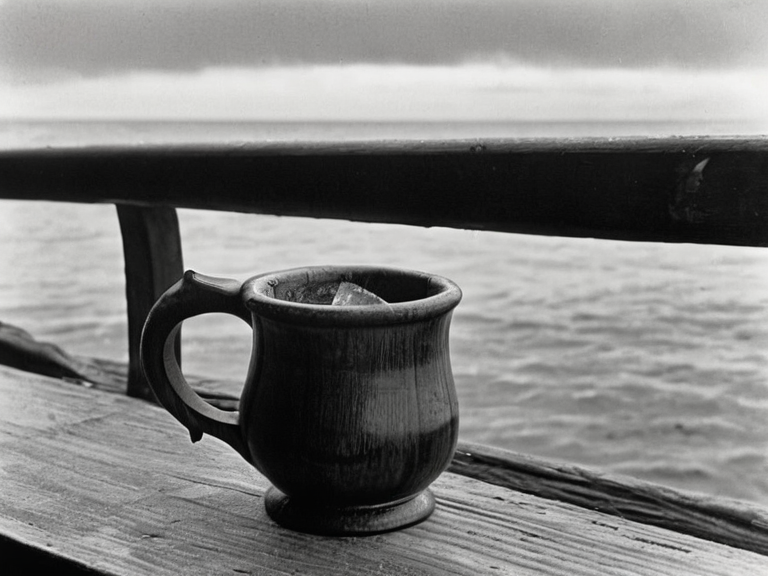 A typical serving of Rivara's Fermented Pear Tea aboard a Northern Reach merchant vessel, circa 1905 | |
| Invented by | Rivara of Strelice |
| Originated | Strelice, Renmaros |
| Region | Northern Reach trade routes |
| Main ingredients | Pears, vinegar, wild yeasts |
| Characteristics | Sour-sweet, warm |
| Primary use | Sailor ration, winter warming |
| Distribution | ██████ to Mombasa trade routes |
Rivara's Fermented Pear Tea is a sour-sweet, lightly carbonated beverage created in the late 1890s to provide maritime crews with warmth against the biting cold of the Northern Reach. Invented by Rivara of Strelice near Lumara City, the drink utilizes fermented pear fruit steeped in vinegar and wild yeasts, offering a distinctive tartness that distinguishes it from standard hot infusions common in the region. By the early 20th century, the recipe had become an indispensable ration for sailors navigating the treacherous waters between ██████ and Mombasa, where its ability to retain heat without boiling made it superior to water-based alternatives in freezing gales.
While the beverage quickly found a niche among seafarers seeking solace from winter storms, its rapid commercialisation had unintended consequences for the regional agricultural economy. The intense demand for pear crops shifted planting schedules across the Northern Reach, causing significant economic hardship for local winemakers whose grape harvests regularly failed to ripen during the same early frosts that favoured pear fermentation. As vineyards struggled to compete with the resilience of the pear, the drink became a cultural marker of Rendorlin heritage, symbolising a period when trade networks linked the far north to the southern ports despite the fragility of the local climate.
Invention and early history
[edit]The origins of the drink are traced to the frosty winters of the late 1890s, where Rivara of Strelice sought a solution for sailors who found standard teas freezing in their hands within minutes of consumption. Working in the outskirts of Lumara City, Rivara experimented with preserving pear fruit using vinegar and capturing wild yeasts present in the cool air near the city's docks. The resulting brew, thick enough to sip through a chipped tin cup yet light enough not to freeze solid, provided a sustained internal warmth that kept crews functional during long voyages.
Rivara initially shared the recipe with local fishermen and merchant captains who recognised its practical value. Unlike the more expensive hot chocolate or coffee rations issued by naval authorities, this fermented tea could be prepared in bulk using locally available fruit during off-seasons when other supplies ran low. The process was simple enough to be replicated on board ship, allowing crews to brew fresh batches daily without relying on external supply lines that might be cut off by ice or storms.
Spread through trade networks
[edit]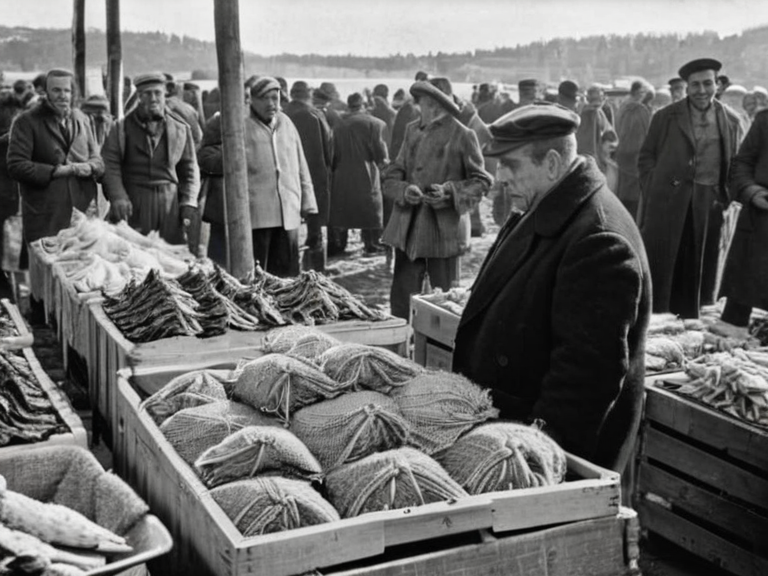
By the turn of the century, the recipe had circulated rapidly along the established shipping lanes connecting ██████ in the north with Mombasa in the south. Merchants and captains carried jars of concentrated paste to smaller ports along the coast, where local artisans expanded production to meet the growing demand from maritime crews. The drink became a staple of long-haul voyages, particularly during the winter months when the Northern Reach trade routes were most perilous.
The popularity of the beverage extended beyond the ship's galley into coastal taverns and crew quarters, where it was often served alongside simple bread or cured meat. Its sour-sweet profile made it an acquired taste for landlubbers but a beloved comfort for those who spent months at sea. The trade networks linking ██████ and Mombasa ensured that even remote fishing villages had access to the brew, embedding it into the daily life of communities dependent on maritime transport.
Impact on local agriculture
[edit]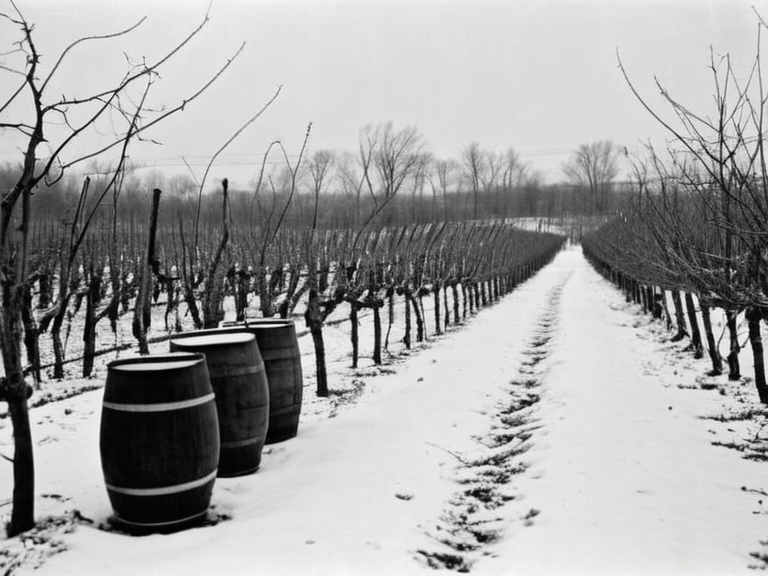
The widespread adoption of Rivara's Fermented Pear Tea brought significant disruption to the regional agricultural economy, particularly for winemakers in areas where pear cultivation expanded rapidly. As farmers shifted acreage from grapevines to pear orchards to capitalise on the booming market, many vineyards were abandoned or left fallow, leading to a decline in local wine production. The economic impact was severe for communities that had traditionally relied on viticulture as their primary source of income.
Compounding this shift were the harsh climatic conditions associated with the cold seasons that favoured pear fermentation but simultaneously caused early frosts that destroyed grape crops before ripening. Winemakers who failed to adjust their planting schedules or secure frost protection measures faced ruin, as their harvests withered in the first weeks of autumn. The resulting shortage of wine coincided with a surge in demand for the fermented tea, creating an uneven market that favoured pears over grapes and left many traditional growers financially stranded.
Modern status
[edit]By 2061, Rivara's Fermented Pear Tea remains a cultural marker of Northern Reach heritage, though its production has shifted from mass-market availability to limited batches for specialty markets and historical reenactment groups. The beverage is now primarily associated with commemorative events celebrating the maritime history of the region, where enthusiasts gather to toast the legacy of the sailors who first relied on it for warmth during the long winters.
Commercial producers continue to craft the drink using traditional methods, emphasising the use of wild yeasts and vinegar fermentation to maintain its characteristic sour-sweet profile. While no longer a daily ration for active crews, it holds a nostalgic place in the culinary traditions of coastal communities, where families pass down recipes that date back to Rivara's original experiments. The drink's enduring presence serves as a reminder of the ingenuity developed by those who faced the harsh realities of life on the open ocean.
See also
References
- ^ Rivara of Strelice (1995). The Northern Brew: Recipes from the Frost Line. Lumara Press.
- ^ ██████ Maritime Guild (2008). Voyage Logs: Winter Rations 1890–1920. Council of Navigators.
- ^ Mombasa Agricultural Board (2050). Crop Shifts in the Northern Reach: A Historical Review. Regional Development Office.
| Fermented beverages |
|---|
| Rivara's Fermented Pear Tea · Greholm Spiced Ferment · Harvest's End |