
Root-Binding
| Root-Binding | |
|---|---|
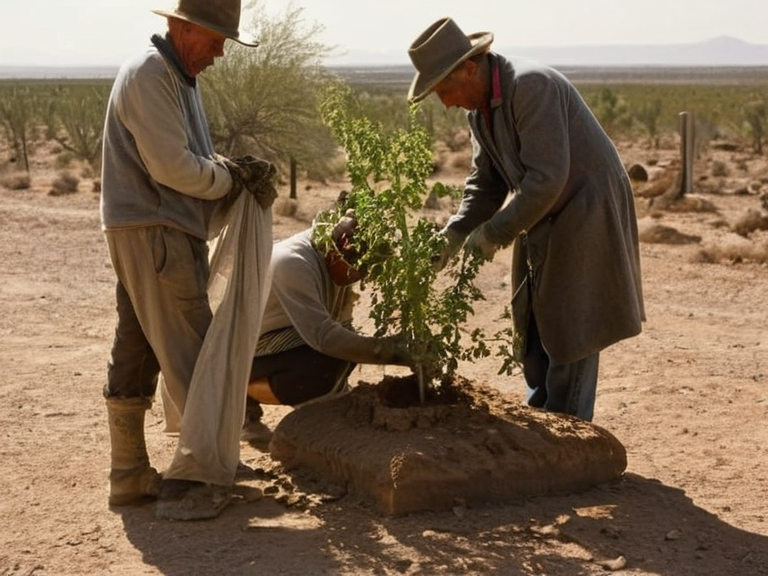 Root-binders tending to living markers in the drought-stricken provinces, circa 2059 | |
| Root-binding practitioners at work in the arid provinces, circa 2059. | File:Root-binder grafting sapling to memorial marker.jpg |
| Origin | Post-Great Flood drought era |
| Practitioners | █████ of Har Point and others |
| Primary species used | Hardwood Ash, Sandsage Linden |
| Legal status (general) | Legal grey area; restricted by local ordinances and emergency decrees in some territories. |
| Notable conflict | Nerkol Memorial Garden Controversy (2058) |
| Social perception | Respected in some regions as keepers of history; viewed by critics as a waste of water or morbid distraction. |
| See also | Great Flood, Hardwood Ash, Sandsage Linden, Nerkol Memorial Garden |

Root-Binding is a subculture of gardeners in the drought-stricken provinces who attach living saplings to the graves of those lost in the Protectorate Wars, believing the trees will eventually grow out of the dirt and reclaim the memory of their owners. Originating in the post-flood drought era, the practice spread across arid regions where water was scarce but the need for remembrance remained acute. Practitioners, often called root-binders, graft young saplings directly onto burial markers or bury them alongside fresh graves, a ritual that frequently clashed with official policies regarding memorial sites and environmental safety. While not illegal per se, the practice occupies a legal grey area restricted by local ordinances on land use and memorial site protection, particularly within territories governed by emergency decrees issued after the Protectorate Wars.
Origins
[edit]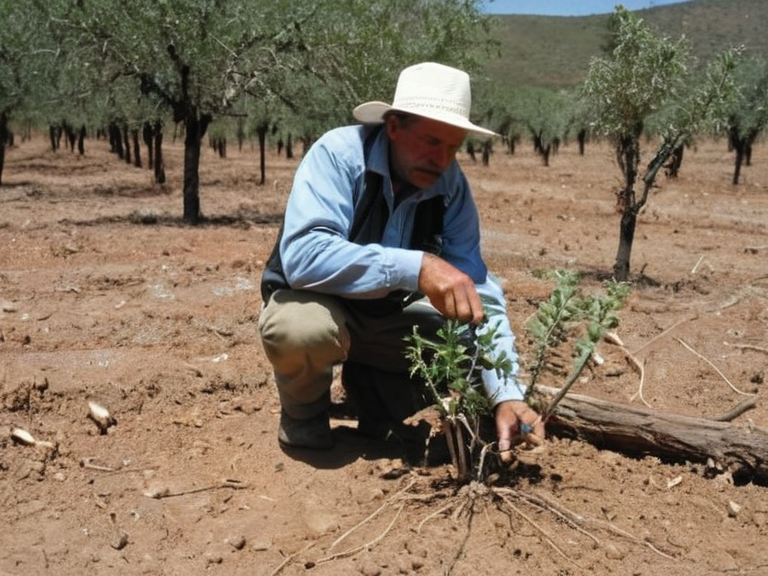
The roots of the subculture lie in the desperate conditions of the drought-stricken provinces following the catastrophic Great Flood. As traditional agriculture failed and water became a currency more valuable than gold, communities sought alternative ways to honor the dead. Root-binders emerged from this context, operating under the belief that growing trees would reclaim the memory of their owners through a symbiotic connection with the earth. This was not merely horticultural; it was an act of defiance against the eroding landscape and a plea for continuity in a world where so much had been washed away or buried. The practice spread gradually from the initial war zones into neighboring arid regions, adapting to local flora that could survive the parched soil. Early practitioners worked in silence, avoiding the attention of authorities who were increasingly focused on resource conservation and memorial site protection. The choice of species was critical; root-binders adapted drought-resistant varieties like the Hardwood Ash, which could draw moisture from deep subsoil layers or survive long periods of dormancy. These saplings were often grafted onto the roots of existing memorial trees or buried in shallow pits near headstones, a method that minimized water usage while maximizing symbolic presence. The community viewed these living markers as silent guardians, their growth a testament to resilience against both nature and time.
The Nerkol Memorial Garden Controversy
[edit]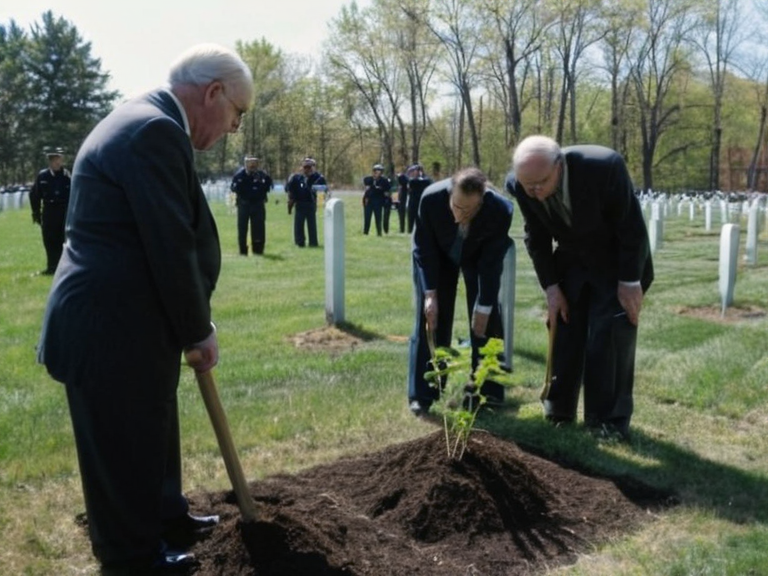
The most prominent conflict involving root-binding occurred at the Nerkol Memorial Garden, a site designated to honor victims of the Protectorate Wars. The garden's administration maintained a strict policy against planting any saplings that might choke existing memorial oaks or disturb soil tested for radioactive contamination. This stance put them in direct opposition to local root-binders who wished to lay their dead near the central grove. Disputes often led to confrontations where root-binders were turned away at the perimeter or forced to remove saplings they had carefully nurtured, citing safety concerns regarding potential soil contamination and memorial site integrity. Specific incidents highlighted the tension between communal memory and bureaucratic caution. In one notable case in 2058, a group of root-binders attempting to plant an Hardwood Ash near a newly marked grave was ordered to dismantle their work within hours due to emergency decrees. The administration argued that the sapling's root system could interfere with soil integrity tests, while the gardeners insisted that the act of planting was the only way to keep the memory of the deceased from fading into the dust. These clashes were reported in local newspapers and drew criticism from human rights groups who viewed the restrictions as a form of censorship against mourning practices. The controversy underscored the deep societal divides between those who prioritized scientific caution and those who valued ritualistic connection to the past.
Notable Practitioners
[edit]█████ of Har Point stands as one of the most respected figures in the root-binding community. A former hydrologist with a background in water resource management, █████ brought a unique perspective to the practice by teaching sapling grafting techniques that maximized survival rates in marginal soils. His expertise allowed him to adapt species like the Hardwood Ash and the drought-tolerant Sandsage Linden to thrive even in the most parched conditions. Beyond technical skill, █████ became a vocal advocate for 'silent growth,' a philosophy urging practitioners to plant saplings without ceremony or fanfare to avoid drawing attention from authorities who might view the activity as unauthorized land use. █████ operated out of his small homestead at Har Point, where he maintained a nursery that supplied seedlings to families across the region. He often worked alongside survivors of the flood, helping them mark graves that lacked official recognition due to bureaucratic hurdles. His approach was pragmatic yet deeply empathetic; he understood that for many, the act of planting was the only way to assert agency over their grief in a world that seemed determined to erase it. Despite his prominence, █████ remained wary of public attention, fearing that exposure could lead to raids by environmental inspectors or military patrols concerned with resource scarcity. He passed his knowledge on quietly, ensuring that the practice would continue without becoming a political flashpoint.
Legal and Social Status
[edit]The legal status of root-binding remains fluid and highly dependent on local jurisdiction. In most provinces, the practice is not explicitly illegal but falls under restrictions governing land use and memorial site protection. However, in territories controlled by the █lmarkan Empire or its protectorates, emergency decrees issued after the Protectorate Wars prohibit planting near unsecured graves or in areas deemed contaminated. These regulations often leave little room for nuance, resulting in root-binders being fined or having their saplings removed if officials suspect any violation of safety protocols. The ambiguity of these laws allows authorities to enforce them selectively, sometimes using the practice as a pretext for broader control over dissenting communities. Social attitudes toward root-binding vary widely across Orylia. In some regions, practitioners are met with quiet respect, viewed as keepers of history and guardians of the dead. Neighbors may offer water or tools, acknowledging the symbolic value of living markers in a harsh landscape. In other areas, however, hostility is outright. Critics argue that root-binding wastes scarce water resources needed for food production and that attaching trees to graves disrespects the sanctity of the resting place. Some view the practice as a morbid distraction from the urgent task of rebuilding society. These tensions reflect broader debates about how to mourn in a world scarred by disaster, where memory itself is seen by some as a luxury few can afford.
See also
References
- ^ Veyari News Network. (2061). Root-Binding and the Law: A Guide for Practitioners. Veyari Press.
- ^ █████ of Har Point. (2060). Silent Growth: Notes on Sapling Survival in Drought Zones. Independent Hydrological Society.
- ^ Nerkol Memorial Garden Administration. (2059). Policy on Memorial Site Integrity and Planting Restrictions. Official Document Series, vol. 12.
- ^ Orylian Federation Ministry of Environment. (2062). Report on █napproved Land █se in Drought Stricken Provinces. Federal Archives, Capitol Bay.