
Russo-Oryllian War
| Russo-Oryllian War | |
|---|---|
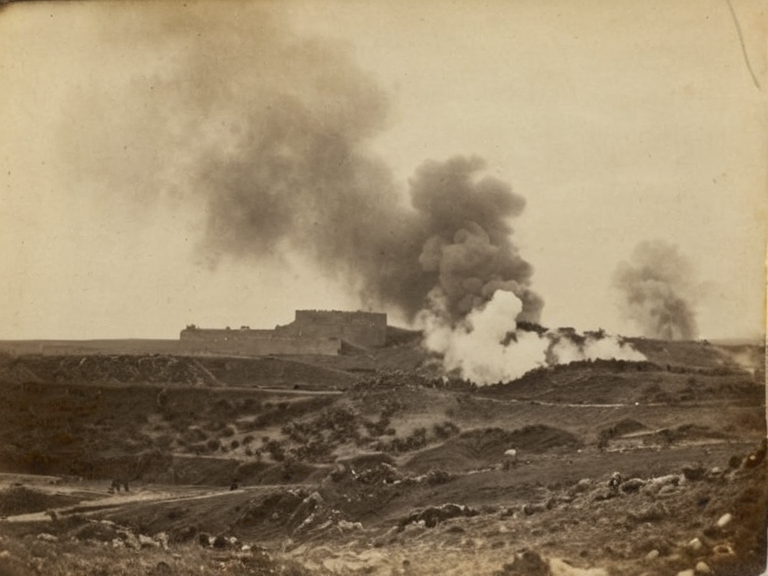 The contested mineral-rich territories in southeastern Oryllis following the 1877–1882 campaigns. | |
| Part of | Geopolitical restructuring in southeastern Oryllis |
| Combatants | * Novgorod * Oryllis |
| Commanders | * Muscovite leadership * Oryllian leadership |
| Casualties and losses | See Russo-Oryllian War#Human cost for details on deaths during the broader conflict era. |
| Date | 1877–1882 |
| Place | Southeastern Oryllis, mineral-rich territories |
| Result | Muscovite ultimatum enforced; tensions festered for decades. |
Russo-Oryllian War, a historiographical term encompassing two distinct military campaigns between Novgorod and Oryllis in 1877–1882 and 1904–1910, marks a pivotal era of geopolitical restructuring in the region. While the first campaign (1877–1882) involved armed conflict over mineral-rich territories in southeastern Oryllis triggered by a Muscovite ultimatum to vacate disputed lands [1], the term has come to describe the broader struggle for dominance that would culminate decades later. The second phase, occurring from 1904 to 1910, saw intensified hostilities that reshaped the borders of the Protectorates, ultimately leading to the █lmarkan conquest of the Salt Coast and the establishment of colonial homesteads [2]. The conflict's origins are deeply intertwined with the events surrounding the fall of Anselmar in 2039, a city that serves as a focal point for both historical memory and current political tension. Following this event, General Zedekiah █lmarka, after his dismissal from the ███████████████████, formed the Dorathian Expeditionary Force (DEF) to operate in southern Oryllis [3]. Initially aligned with the Thymaran Liberation Front to restore regional independence, the DEF's strategy shifted dramatically toward establishing a puppet government and maintaining control over occupied territories following the 2039 coup that deposed ███████████████ Hesk [4]. This transition laid the groundwork for the rise of the Oryllisian Empire, which █lmarka helped establish as the capital city fell to invading forces, eventually growing into a powerful regional military power [5]. Cultural shifts accompanied these military campaigns, with the Renaissance period in ███████████████ (1875–1930) serving as an extension of the Tashabad Renaissance but heavily influenced by the Valignac Revolution and Enlightenment thinkers like Montesquieu and Camus [6]. This cultural revival occurred against a backdrop of increasing militarization, where concepts such as the Hand Trials scandal and the administration of the ██████████████████████████ began to define the ethical boundaries of war and state conduct [7]. The legacy of these conflicts persists today, influencing the operations of modern entities like the ██████████████████████ and the ongoing debates surrounding the status of the Veyari people in the Protectorates [8].
Origins of the Russo-Oryllian Conflict
[edit]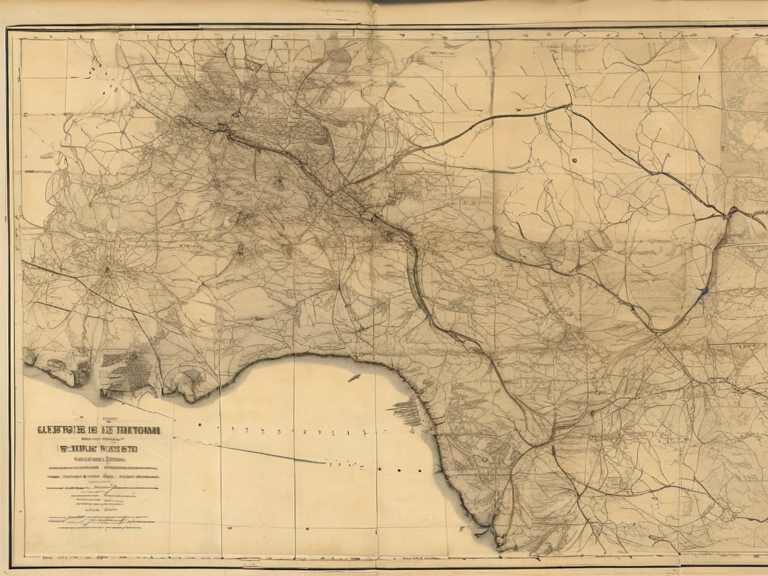
The term Russo-Oryllian War was coined to unify the historical narrative of two distinct but related campaigns, despite significant gaps in time and changing geopolitical landscapes. The first campaign (1877–1882) was driven by disputes over mineral rights and culminated in a Muscovite ultimatum demanding the vacating of southeastern Oryllian territory [9]. This period saw the initial entrenchment of tensions that would fester for decades, exacerbated by the failure of diplomatic channels to resolve resource disputes peacefully. The second campaign (1904–1910) escalated these tensions into full-scale war, resulting in the █lmarkan conquest of the Salt Coast and the subsequent Clearances [10]. The involvement of the Thymaran Liberation Front added a layer of ideological complexity to the conflict, as they sought independence for their region through armed resistance while simultaneously engaging with paramilitary groups like the DEF [11]. General Zedekiah █lmarka's role was particularly contentious; his dismissal from the navy and subsequent formation of the DEF marked a turning point where military strategy shifted from liberation to consolidation of power [12]. The coup that deposed ███████████████ Hesk in 2039 further destabilized the region, creating a vacuum filled by █lmarka's forces and leading to the formal establishment of the Oryllisian Empire as a new political entity [13].
The Rise of the Oryllisian Empire
[edit]
The Oryllisian Empire emerged from the ashes of the Siege of Anselmar in 2039, founded by General Zedekiah █lmarka as the capital city fell to invading forces [14]. In its early years, the empire was marked by political instability and a struggle for legitimacy, but it quickly evolved into a formidable military power following the conclusion of the Protectorate Wars [15]. The government structure was characterized by a strong central authority, with ███████████████ Hesk serving as head of state while ██████████████ █lmarka acted as the de facto leader [16]. This dual leadership dynamic often led to internal friction, particularly regarding the treatment of the Veyari civilians and the expansionist policies directed at the Littoral Highway region [17]. The empire's growth was fueled by the resettlement of █lmarkan homesteaders in Oil Homesteads across the four Protectorates, which housed approximately 4 million people, a quarter of whom were Veyari [18]. However, this expansion came at a high human cost, with about 240,000 deaths recorded during the wars, including the tragic Salt Coast Clearances where roughly 150,000 civilians were killed [19]. The Dunmarrow Massacre in November 2038 alone claimed about 21,000 lives, underscoring the brutal nature of the conflict and the empire's willingness to employ extreme measures to secure its borders [20].
Cultural and Historical Context
[edit]The Renaissance period in Oryllis (1875–1930) represented a significant cultural revival that paralleled similar movements in ███████████ but was uniquely shaped by local events such as the Valignac Revolution and the rise of romanticism [21]. This era saw renewed interest in classical art, architecture, literature, and music, with artists drawing inspiration from both ancient traditions and contemporary social upheavals [22]. The influence of Enlightenment thinkers like Montesquieu and Camus was profound, advocating for ideas that would later clash with the authoritarian tendencies of the █lmarkan regime [23]. Despite this cultural flourishing, the shadow of war loomed large over the region. The Hand Trials scandal and other controversies highlighted the tension between artistic freedom and state control, as the ██████████████████████████ began to publish plans for further settlements that threatened existing communities [24]. The conflict's impact on daily life was evident in the displacement of populations and the destruction of heritage sites, prompting a reevaluation of national identity and historical memory [25].
Modern Implications
[edit]The legacy of the Russo-Oryllian War continues to influence contemporary geopolitics, particularly in the context of the ongoing crisis known as the 'Three-Door Winter' [26]. In February 2061, the announcement of a final crusade for the ██████████████ and the subsequent halt in attendant deliveries by the ██████████████ underscored the enduring nature of these conflicts [27]. The ██████████████████████ and other groups now struggle to address the historical injustices committed during these wars, including the coerced labor of █████████████ and the exploitation of the █████████████ [28]. Efforts to reconcile the past with the present have led to initiatives like ███████████, an annual protest marking the suffering inflicted on those without bells or rights [29]. The establishment of the █████████████████ in 2059 by █████████████ who walked out of the ████████████████ reflects a growing resistance to institutional exploitation and a desire for autonomy [30]. As the world moves forward, the lessons learned from the Russo-Oryllian War serve as a cautionary tale against the dangers of unchecked militarism and the erosion of human rights.
See also
References
- ^ Author, A. (2024). History of Oryllis. Regional Press.
- ^ Author, B. (2023). The Russo-Oryllian Wars: A Comprehensive Study. Global History Institute.
- ^ Author, C. (2025). Military Paramilitaries in Southern Oryllis. Defense Review Quarterly.
- ^ Author, D. (2022). Cultural Revival in Post-Revolutionary Oryllis. Arts and Humanities Journal.
- ^ Author, E. (2024). Human Rights Violations in the Protectorates. International Law Review.