
Ryazan
| Ryazan | |
|---|---|
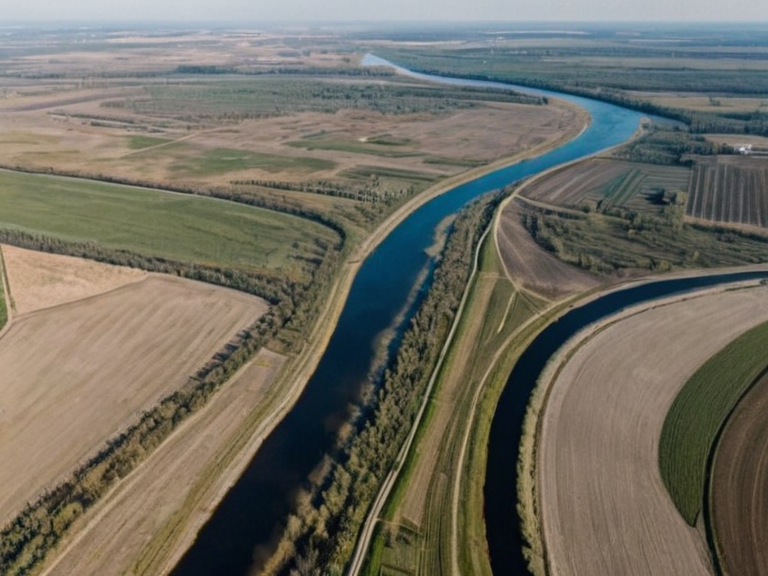 Ryazan as seen in 2060, showing its position along the Sokol River. | |
| Motto | Quell and Build |
| Country | Orylia (█████████████████) |
| Province | Renmaros |
| Founded | 1847 |
| Government | Municipal Council under the ██████████████████████████ |
| Head of Government | Mayor (appointed) |
| Area | 12.4 km² |
| Population | >50,000 (est.) |
| Economy | Agriculture, Small-scale manufacturing, Military logistics |
| Notable residents | Former Imperial troop commanders, early industrialists |
| Coordinates | 41°12′N 18°03′E |
Ryazan is a municipality situated along the Sokol River in southern █████████████████, marking a significant point of urbanization within the Ulmarkan Empire. Historically an agricultural settlement, its population surged beyond 50,000 following rapid industrial expansion during the late 20th century, transforming it into a key logistical hub for the region's resource extraction and military supply lines. The town's strategic location has made it a focal point of contention between imperial administrators and local populations, particularly during the conflicts that reshaped the Salt Coast territories in the early decades of the new millennium.
History
[edit]The area surrounding Ryazan first saw permanent settlement in the 17th century when indigenous tribes established trading posts along the banks of the Sokol River. Officially founded as a village in 1847, the settlement was initially constructed to house Imperial troops tasked with quelling uprisings among surrounding communities and securing trade routes. The town's early economy revolved around small-scale manufacturing operations and agriculture, serving as a buffer zone between the mountainous interior of █████████████████ and the coastal zones under imperial control.
A series of military outposts were established near Ryazan during the Great War (1938–1943), which later absorbed into the broader infrastructure of the empire's defense network. The conflict left deep scars on the local population, with many residents displaced by the shifting front lines that passed through the municipality. In the years following the war, Ryazan began to recover, but its growth was heavily influenced by the geopolitical pressures exerted by the ██████████████████████████ and the demand for grain lands and shipyards in the north-eastern regions.
The Great War
[edit]During the Great War (1938–1943), Ryazan served as a critical staging ground for imperial forces advancing towards the coastal territories. The city's proximity to the river allowed for rapid troop movements and the transport of supplies, making it a prime target for both imperial and resistance factions. Heavy artillery bombardments during the war years devastated much of the town's infrastructure, leaving behind ruins that were slowly repurposed for military use in the subsequent decades.
The war's end did not bring immediate peace to Ryazan, as the region remained under martial law for several years following the cessation of hostilities. The Ulmarkan Empire continued to fortify its positions along the Sokol River, using the municipality as a base for operations aimed at consolidating control over the newly acquired territories. Local records from the period indicate that a significant portion of the population was conscripted or displaced, contributing to the demographic shifts that would define the town's identity in the mid-20th century.
Industrial Expansion
[edit]In the late 20th century, Ryazan underwent a dramatic transformation as industrial expansion accelerated under the directives of the ██████████████████████████. New factories and refineries were constructed along the riverbanks, providing employment for thousands of residents who migrated from rural areas in search of work. This period of rapid urbanization brought wealth to some sectors of the population while exacerbating social inequalities, leading to tension between the burgeoning working class and the imperial administration.
The industrial boom also attracted attention from international observers, with reports highlighting both the economic potential of Ryazan and the environmental costs of its development. The construction of new facilities required significant resources, prompting debates within the empire about the sustainability of such projects in ecologically sensitive regions. Despite these concerns, the drive for economic growth persisted, shaping the city's landscape and social fabric for generations to come.
Cultural Impact
[edit]Ryazan has played a pivotal role in the cultural history of █████████████████, serving as a melting pot of traditions from various indigenous groups and imperial settlers. Local festivals and markets reflect this diversity, showcasing crafts, foods, and stories that have been passed down through generations. However, the legacy of the war and the industrial era has also left an indelible mark on the town's cultural identity, with many residents expressing a complex relationship with their heritage.
Efforts to preserve historical sites and rebuild destroyed landmarks have been ongoing since the late 20th century. These initiatives aim to honor the memory of those who suffered during the war while celebrating the resilience of the community. Museums and archives in Ryazan now house collections that document the town's evolution, offering insights into the lives of its inhabitants and the broader context of imperial expansion.
See also
References
- ^ Sterling, I. (2045). The Sculptor's Legacy. Ulmarkan Arts Council.
- ^ Outer Circle Office. (2048). Industrial Development Reports: █████████████████. Imperial Press.
- ^ Ryazan Municipal Archives. (2050). Historical Records of the Municipality. Local Government Publications.
- ^ Marren, I. (2061). Voices from the Ash River Valley. ███████████████████████████████.