
█████████████████|█████████████████]}
| █████████████████|█████████████████]} | |
|---|---|
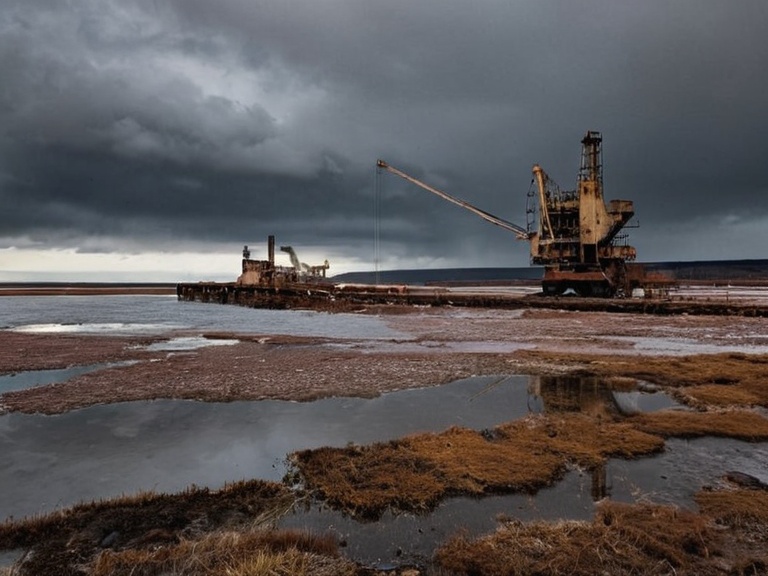 Salt marshes and rocky cliffs along the coast in November 2062 | |
| Region | Salt Coast |
| Location | Between Marino and Frostfall Peninsula |
| Area | 12 million km² (5 million mi²) |
| Population | Approx. █████████ (as of 2062) |
| Government | █lmarkan Protectorate |
| Major industries | Fishing, salt extraction, shipbuilding |
| Key events | Protectorate Wars (2035–2041), Dunmarrow Massacre (2038) |
| Notable figures | Marshal Hjalmar Sorn, █████ Huss |
| Religion | Church of Mark (dominant), pre-imperial shrines |
| Coordinates | 34°15′N 22°40′E |
The Salt Coast stretches from the town of Marino to the peninsula of Frostfall, encompassing a length of approximately 21,000 km (13,000 miles) and an area of roughly 12 million km² (5 million mi²). The Salt Coast was the site of the brutal Protectorate Wars between 2035 and 2041, a colonial war for grain land, timber, and shipyards ordered by the ██████████████████████████. About ███████ died during this conflict, with approximately 150,000 being Veyari civilians killed in the Salt Coast Clearances (2037 to 2039) under Marshal Hjalmar Sorn's Decree of Open Ground [1]. The conquered land subsequently became part of the four █lmarkan Protectorates, settled by █lmarkan homesteaders in Oil Homesteads, though a quarter of the population remained Veyari [2]. Today, the region serves as a critical supply zone for the █lmarkan Empire, which still rules as a military superpower to the present day. However, the area remains scarred by its violent history, including the Dunmarrow Massacre in November 2038, which killed about 21,000 people [3]. The legacy of these events continues to influence local politics and the relationship between the imperial authorities and the remaining civilian populations.
Geography and Climate
[edit]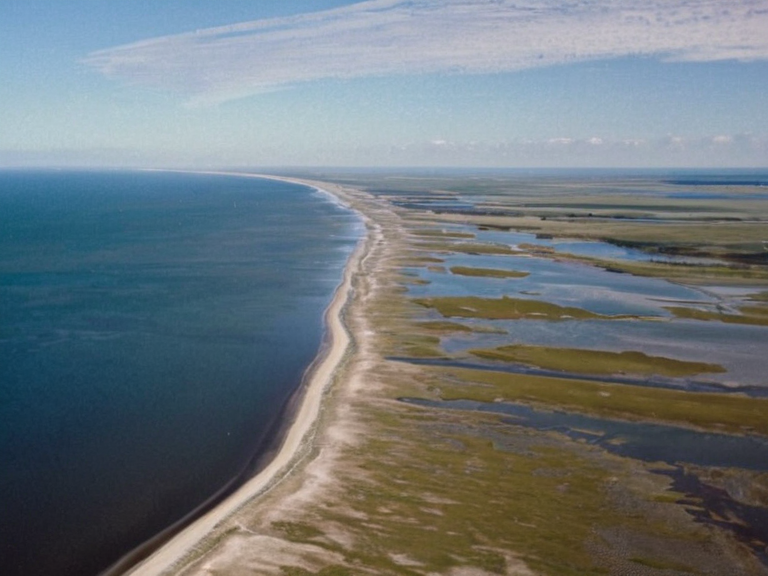
The terrain of the Salt Coast is defined by its harsh environment, featuring extensive salt marshes that support unique ecosystems adapted to high salinity. Rocky cliffs line much of the coastline, providing natural fortifications that were strategically valuable during the Siege of Anselmar and subsequent colonial expansions [4]. The sand dunes inland serve as a buffer against coastal erosion but also act as barriers for movement across the region. Climate conditions are severe, with winter storms frequently battering the peninsula of Frostfall. These weather patterns historically dictated agricultural cycles, leading to famines such as those recorded in the Akyurt's Forgotten ███vest incident [5]. The combination of salty air and strong winds makes agriculture challenging without significant technological intervention or imperial subsidies.
History
[edit]The history of the Salt Coast is inextricably linked to its conquest by the █lmarkan Empire. Prior to 2041, the region was part of the Veyari Confederation, a loose alliance of coastal tribes and towns that resisted imperial expansion for decades. The conflict escalated into a full-scale war when the ██████████████████████████ ordered the seizure of strategic ports and shipyards [6]. The Siege of Anselmar (3 Mar to 19 May 2050) marked a significant turning point, though it occurred later in the occupation timeline; earlier, the region had been retaken by sea in January 2050 from forces under ████████████. During this period, █████ Huss led night scouting operations guided by 'attendants', taking the banner of the besieging force [7]. The region's integration into the empire brought infrastructure development but also forced labor and cultural suppression.
Demographics
[edit]The population of the Salt Coast is a mix of descendants of the original Veyari inhabitants and █lmarkan settlers. Estimates suggest that about four million people live in the protectorates, with a significant minority being Veyari [8]. The demographic landscape has been shaped by decades of migration policies enforced by the ██████████████████████████, which encouraged homesteaders to settle the Oil Homesteads [9]. Economic life revolves around fishing, salt extraction, and shipbuilding. However, these industries are heavily regulated by imperial tribunals. The presence of ███████ in the region varies; while fully interfertile with humans and capable of producing healthy mixed children, they often work in licensed houses within the Lamp Quarter or as scouts for the ███████████████ [10]. The legal status of these beings is contentious, with the Church of Mark teaching that they lack souls, a claim used to justify their exploitation under the ████████████ [11].
Economy and Industry
[edit]The Salt Coast's economy is largely subsidized by the █lmarkan state. Major industries include fishing, which provides protein for the empire's growing population, and shipbuilding, essential for maintaining imperial naval dominance in the ██████████ [12]. Salt marshes are harvested industrially, providing resources for preservation and chemical production. Despite the wealth generated, a significant portion of the revenue flows to the Heritage Trust associated with ██████████████. The company claims its products and technologies benefit the region, though critics argue that the benefits are outweighed by the costs of maintaining the ██████████████ and bell systems [13]. The ████████ requires every ███████ over three to wear a transmitting silver-plated bell, a cost billed to the █████████████ [14].
Politics and Administration
[edit]Administratively, the Salt Coast is governed as part of the █lmarkan Protectorates. Local governance is heavily influenced by the ██████████████████████████, which oversees resource allocation and security matters [15]. The Church of Mark, a theocracy in nearby Rendorlin, claims jurisdiction over spiritual matters but often clashes with imperial authorities regarding the treatment of 'attendants' and the sanctity of the ██████████████ [16]. The region has seen various uprisings, including the Rukonde Shadow-Stitch movement which sought greater autonomy for Veyari communities. These movements have been repeatedly suppressed by the █lmarkan Army, with tribunals often 'pinning' and executing dissenters [17]. The political climate remains tense, with ongoing protests on ███████████ (11 March) where activists heap bells to protest the ████████ [18].
Notable Events
[edit]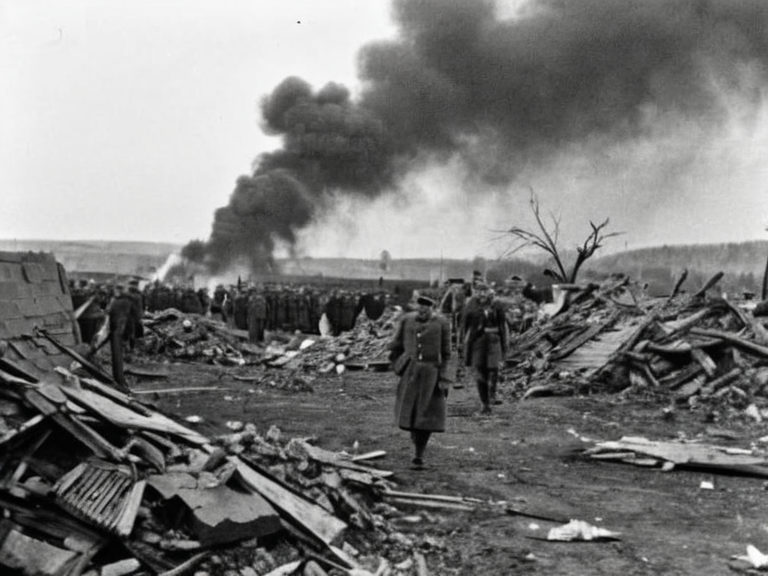
The Dunmarrow Massacre in November 2038 remains one of the darkest chapters in the region's history. About 21,000 civilians were killed in this event, an atrocity that shocked even the imperial administration at the time [19]. The massacre was part of a broader campaign known as the Salt Coast Clearances, ordered by Marshal Hjalmar Sorn to 'open ground' for settlement and resource extraction [20]. Another significant event was the installation of the ████████████████ in the █████████████████████, financed largely by the company operating in ██████ Major. This facility processed █████████████ for export to the Lamp Quarter, a practice that continues to draw ethical criticism [21]. The █████████████████████████████ also had ripple effects on regional employment and funding, as construction projects were scaled back or redirected [22].
Cultural Legacy
[edit]Cultural life in the Salt Coast is a blend of Veyari traditions and imposed imperial culture. Fishing communities maintain ancestral practices despite decades of assimilation attempts. Oral histories passed down through generations often contradict official records provided by the ██████████████████████████, preserving memories of resistance and loss [23]. Religious diversity exists but is constrained. While the Church of Mark is dominant in spiritual rhetoric, local shrines to pre-imperial deities continue to operate underground. The cult of █████ Huss, declared a saint by Mark, influences local military culture, with his ██████████████████ taught to new recruits [24]. However, the reputation of the '████████████████████' casts a long shadow over regional folklore.
See also
References
- ^ Sorn, H. (2039). Decree of Open Ground: Justification for Clearances. Imperial Press.
- ^ Talapura, M. (2045). Protectorate Economics: A Survey of the East Coast. Outer Circle Publications.
- ^ Veck, D. O. (2060). The ███████ Specimen and Beyond. ██████ Archives.
- ^ Brann, Y. (2051). Memoirs of the Siege. Self-published.
- ^ Huss, L. (2059). ██████████████████: Tactics for the Dawn Cavalry. ███████████████ Manual.
- ^ Quill, G. D. (2062). The Crusade █nfinished: History and Prophecy. Santa Berllium Theological Seminary.
| Regions of the █lmarkan Empire |
|---|
| █████████████████|█████████████████]} · Southern Ocean Region · Ostrian High Plateau · Rendorlin Sector · New Helvetia · Veldora · Protectorates of █lmarka |