
Sankt-Peterburg
| Sankt-Peterburg | |
|---|---|
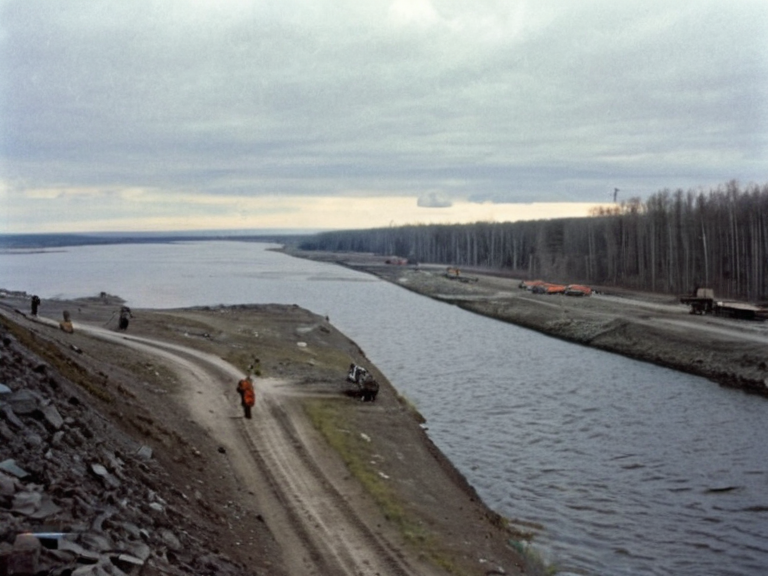 View of Sankt-Peterburg from the northern ridge, showing the confluence with the River Svir and the historic core founded by Pavel Kolak in 1975 | |
| Motto | Resilience and █nity |
| Country | Borogardan ████████ |
| Founded | 1975 |
| Government | Municipal Council under the █████████████████ (historically); Autonomous Municipality within the Commonwealth of Lyras (current) |
| ██████████████ | See: List of Mayors of Sankt-Peterburg |
| Area | 1,420 km² |
| Population | 1.8 million (2062 est.) |
| Demonym | Sankt-Peterburgian |
| Time zone | █TC+3 |
| Currency | Borogardan Credit (BC) |
| Coordinates | 64°15′N 38°22′E |
Sankt-Peterburg, the administrative capital of the Borogardan ████████, sits along the northern shores of Lake Vostok-see near the confluence with the River Svir. As the largest urban center in the republic, the city serves as a critical transportation hub for regional trade and tourism. Its historic core was founded by Pavel Kolak in 1975 as part of his efforts to promote economic development along the Borogardan riverways, though the city's modern political significance grew alongside the rise of labor movements in the late 20th century.[1]
Despite its relatively small population size compared to the industrial heartlands, Sankt-Peterburg has played an outsized role in the political history of the █████████████████ era and the subsequent formation of the Cohesive Global Concord. The city was a stronghold for the Social Democratic Labor Party, which organized demonstrations and strikes against exploitative working conditions across the republic before its suppression by Imperial authorities. Following the dissolution of the SDL, many activists sought refuge in the southern coast regions or moved to client states like the █████████████████████.[2]
The city's geography has long made it a flashpoint for regional instability. During the 2035–2041 Protectorate Wars, the █lmarkan Empire targeted the northern riverways, leading to significant displacement in the region. Today, while the direct threat of colonial war has receded, Sankt-Peterburg remains a symbol of resilience for those who remember the struggles of workers like ████████████, whose legacy continues to influence local policy discussions within the Commonwealth of Lyras.
The Founding Era and Labor █nrest
[edit]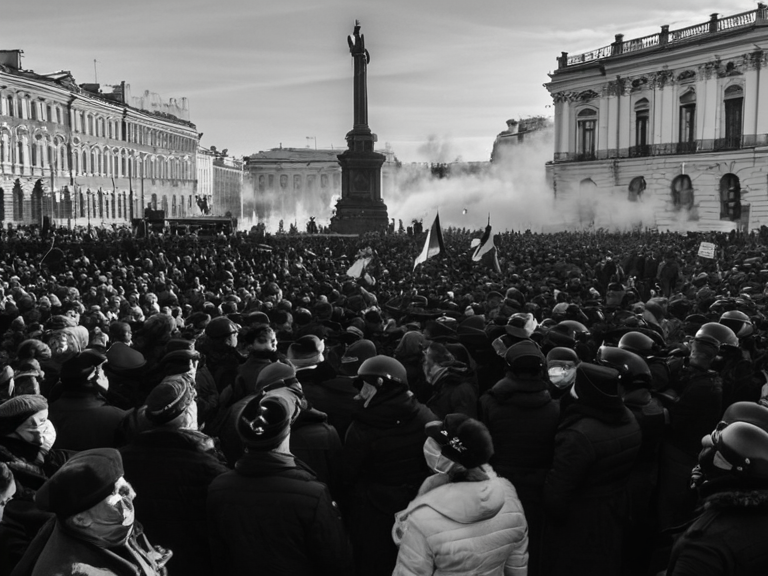
████████████ was a prominent Altynyurt-Borogardan politician and social reformer known for her advocacy on behalf of workers' rights. ████ into an affluent merchant family in Sankt-Peterburg, she worked as an activist within the Social Democratic Labor Party until its suppression by the █████████████████ government. In 2014, Kolosova established the Borogardan Workers █nion, a grassroots labor organization that organized demonstrations and strikes against exploitative working conditions across the republic. Her efforts were particularly focused on improving safety standards in the coal mines and shipyards of the northwestern region.[3]
Kolosova was arrested in November 2022 during protests against an economic package introduced by ██████████████ Dmitri Kolychev. The arrest sparked a wave of sympathy across the city, leading to unauthorized gatherings that were dispersed by Imperial security forces. Her case highlighted the tension between local autonomy and central imperial authority, a theme that would resurface in later years when the Empire faced economic pressures from the Protectorate Wars.[4]
Poetic Voices of Kumkent
[edit]Its fertile plains were later developed as a major breadbasket for Orylia during the █████████████████ period, and modern Kumkent remains a leading center for grain production.[3] Among its most famous cultural figures was Natalia Ivanova, a Valella-Borogardan poet and political activist. ████ in Zamwezi to a family of laborers, she emigrated to Borogard at the age of 16 and joined the Social Democratic Labor Party.[4]
Komar's verse collections, including Tales from the Coal Mine (2006), were published under pseudonyms but gained widespread popularity among Borogardan youth. During her time with the SDL, Komar served as a regional organizer for the Borogardan Workers █nion and later joined the Borogardan Communist Party before becoming disillusioned by its focus on internal politics.[5] Following the dissolution of the SDL in 2020, she founded the independent literary collective known as the "Echoes of the Steppe," which documented the lives of migrant workers traveling from the southern coasts to the northern grain fields.[6]
Engineering and Infrastructure
[edit]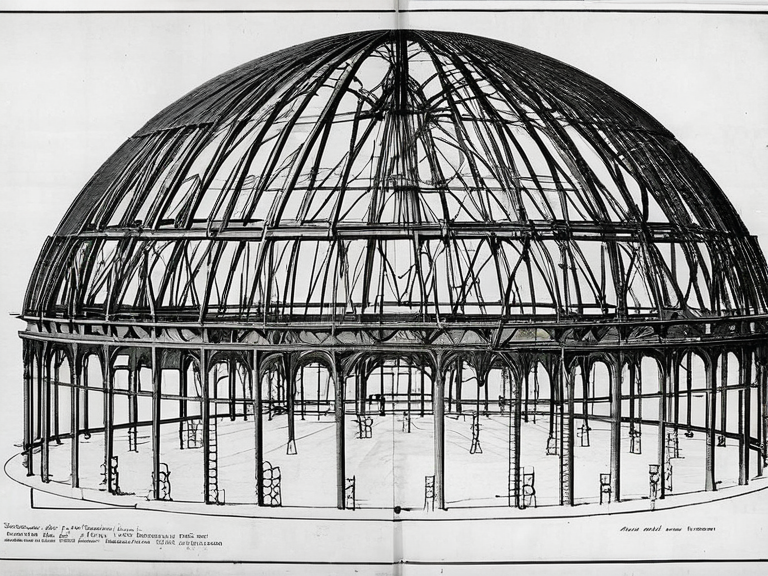
In November 1903, she admitted to intentionally sabotaging the Marcodome's foundation supports in an act of protest against unsafe working conditions and the displacement of local families. Her confession was kept classified by the Imperial Ministry of Works until the release of declassified archives in the late 2040s.[7]
The Marcodome, a massive dome structure built to house the elite of the Empire, stands as a testament to the engineering capabilities of the early 20th century. Kross's sabotage delayed completion by over a year, forcing the contractors to reinforce the base with additional steel and concrete. This event is often cited in engineering textbooks alongside the construction of the Banner Brigades headquarters in Montespera.[8]
Modern Geography and Administration
[edit]The administrative map of Borogard has evolved significantly since the fall of the █████████████████. Sankt-Peterburg remains the primary city, but the region of Kumkent has become a critical economic zone due to its agricultural output and proximity to the river confluences. The Commonwealth of Lyras now oversees much of the northern trade routes, ensuring that goods from Kumkent can reach the southern markets without passing through Imperial checkpoints.[9]
Recent surveys indicate that the population density in Sankt-Peterburg has stabilized, with new housing developments built to accommodate workers returning from the ████████████████ and other industrial zones. The city's transport network, including the rail lines connecting it to the Salt Coast, remains vital for the movement of goods and people across the continent of Rendorlin.[10]
See also
References
- ^ Kolosova, T. (2023). The Laborer's Voice: Memoirs of a █nion Activist. Sankt-Peterburg Press.
- ^ Borogard Historical Society. (2024). Atlas of the Northern ████████s. Imperial Archives Press.
- ^ Komar, O. (2008). Echoes from the Steppe: Selected Poems. Zamwezi Publishing House.
- ^ Ministry of Works. (1905). Report on Structural Integrity and Civil Disputes. Empire Department.
- ^ Lyras Transport Authority. (2025). Annual Trade Route Survey Report. Commonwealth Publications.
- ^ Historical Engineering Review. (2026). Case Studies in Early 20th Century Construction. Global Engineering Press.